Plumbing in Anoka County, the short answer
PlumbTek plumbs homes in Anoka County, from the county seat in Anoka (55303) to Coon Rapids, Blaine, Andover, Ramsey, Fridley and Ham Lake. The work here leans on sump pumps, water heaters and softeners, plus drain lines in split-levels and ramblers built from the 1960s through the 2000s. Rural lots farther north add private wells and pressure tanks to the list.
Why does groundwater keep Anoka County sump pumps so busy?
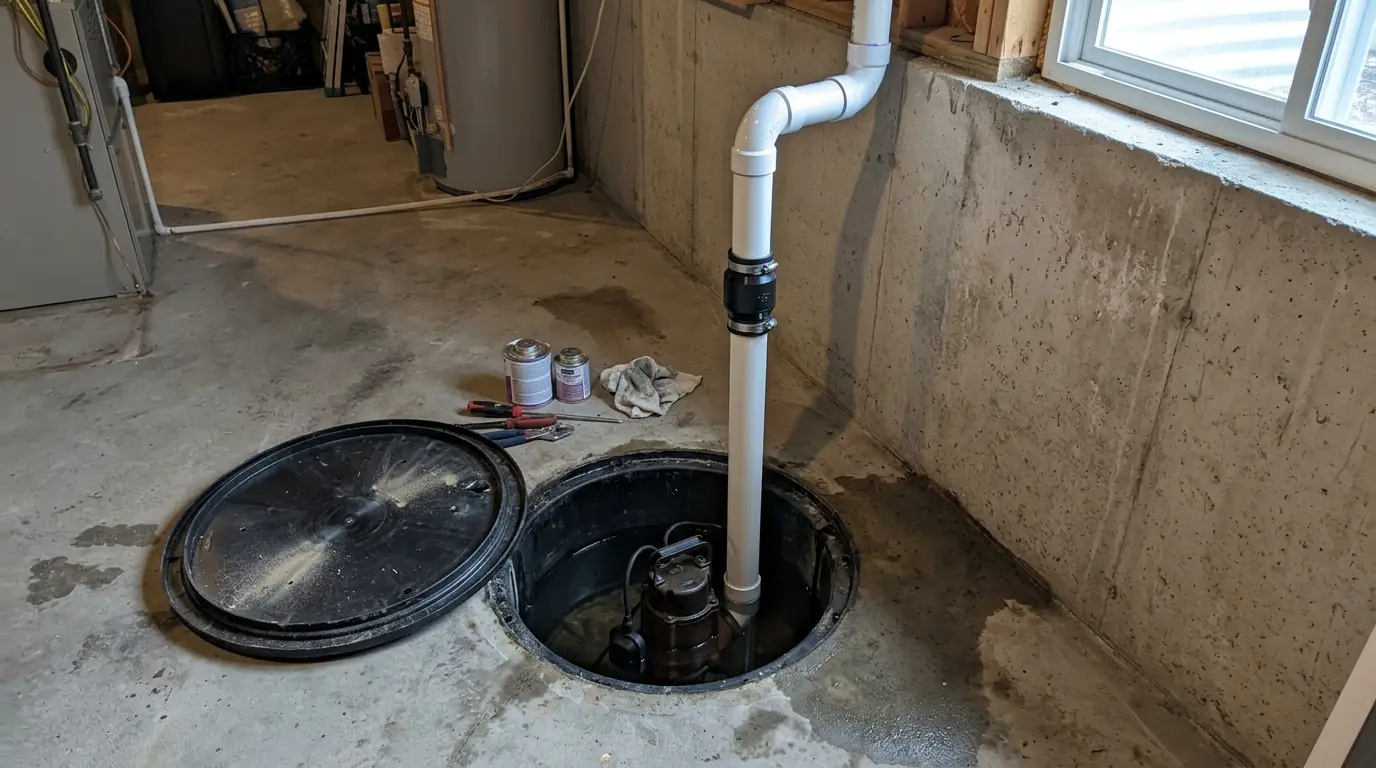
Much of Anoka County sits on sandy ground between the Mississippi and Rum rivers, and in places the water table runs close to the basement floor. When the snow melts and the ground thaws, drain tile around the foundation fills quickly, and the sump pump may cycle every few minutes for weeks. Pumps that sat idle all winter tend to fail right then.
Summer downpours bring a second peak. A pump with a sticking float switch, a check valve that lets water fall back into the pit, or a discharge line that dumps right next to the foundation all lead to wet carpet in a lower-level family room. A battery backup pump is worth considering for any basement that has flooded before.
What wears out first in Coon Rapids and Blaine split-levels?
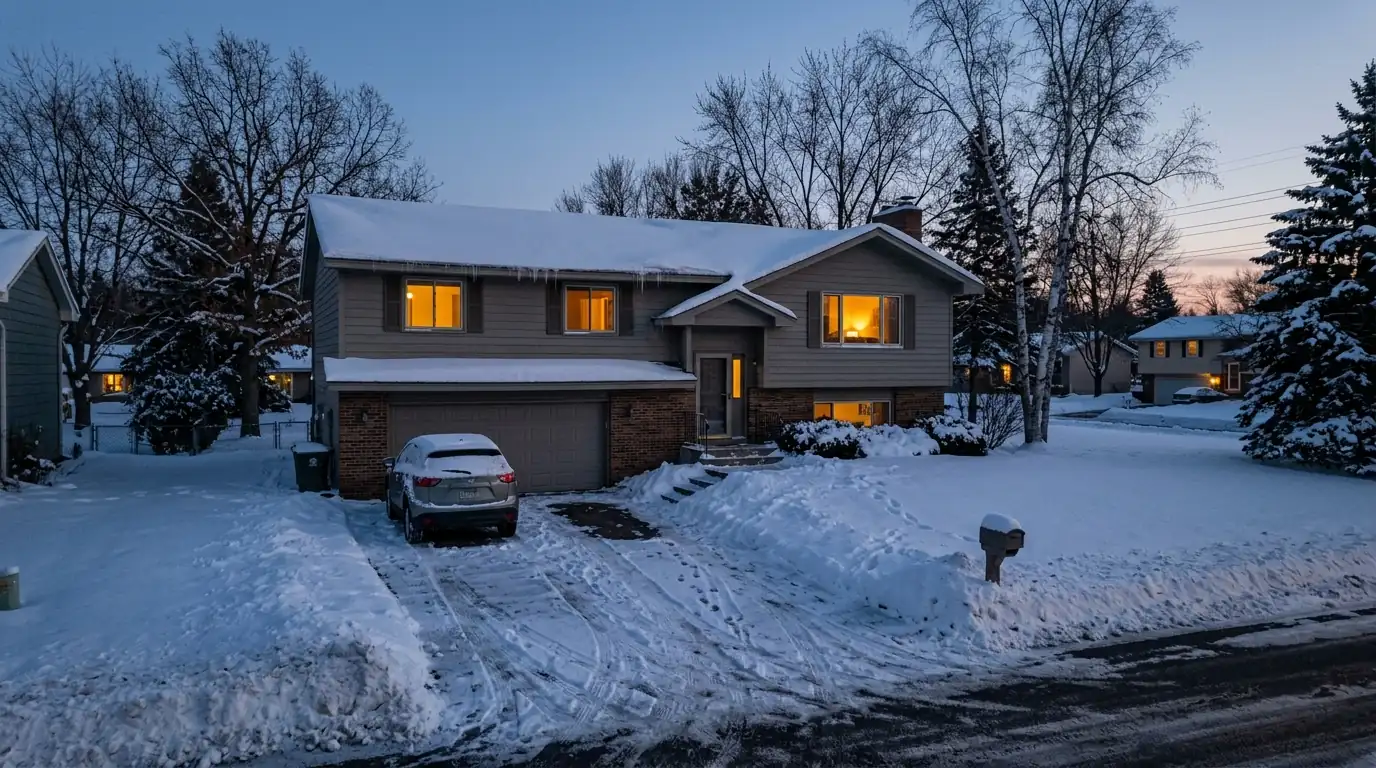
Coon Rapids, Fridley and the older parts of Blaine grew fast through the 1960s and 70s. Those houses usually have copper supply lines, cast iron or early PVC drains, and a water heater in the lower level next to the furnace. Original valves under sinks and at the main have started to drip or refuse to close, and tank heaters are on replacement cycles.
Newer subdivisions in Andover, Ramsey and northern Blaine were built with plastic piping that holds up well, but they have their own patterns. Basement bathrooms below the sewer line rely on ejector pumps, hard water scales up tankless heaters, and long runs from the heater to an upstairs bath leave you waiting for hot water.
Simple steps for Anoka County basements
- Lift the float before spring. In March, pour a bucket of water into the sump pit and watch the pump start, empty the pit and shut off cleanly. If it hums or hesitates, deal with it before the thaw.
- Extend the discharge line. Make sure sump water leaves the pipe several feet from the foundation and drains downhill. On sandy lots, water dumped close to the house cycles straight back into the tile.
- Flush the tank heater yearly. Hard water leaves sediment in the bottom of tank heaters. Draining a few gallons from the drain valve each fall keeps the burner quieter and recovery quicker.
- Know your well equipment. On a private well, find the pressure tank and the switch beside it. Write down the pressure range on the gauge so you can describe a problem clearly on the phone.