Ejector pump service in Minneapolis, the short answer
Ejector pump service in Minneapolis covers inspection, repair and replacement of sewage ejector pumps that lift waste from basement bathrooms and laundry up to the main sewer line. You need it when the high-water alarm sounds, fixtures drain slowly or back up, the pump runs constantly, or sewer odor comes from the basin.
How a sewage ejector differs from a sump pump
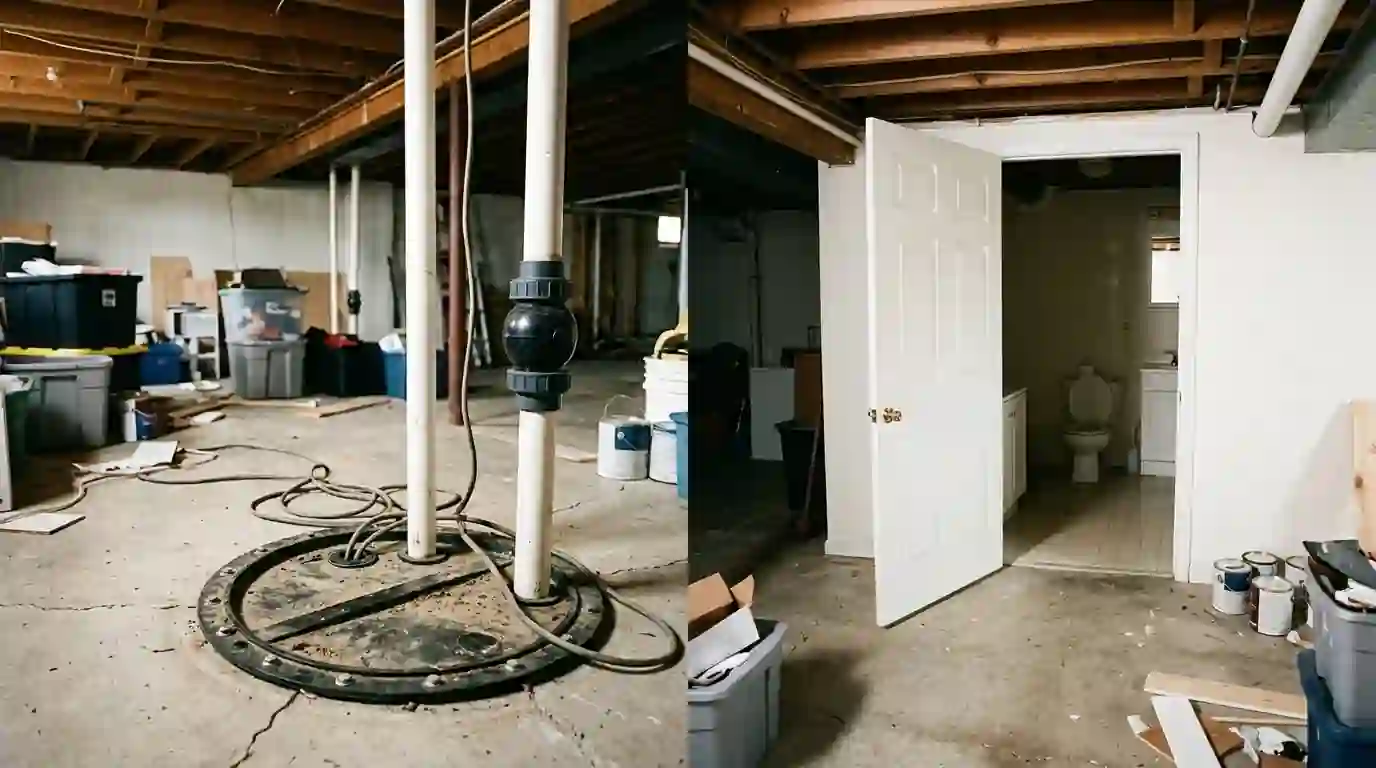
A sump pump moves clear groundwater out of the house. An ejector pump moves wastewater and solids from fixtures that sit below the main sewer line, like a basement toilet, shower or laundry. Because it handles sewage, the basin is sealed with a gasketed lid and vented through the roof so gas doesn't escape into the basement.
Ejector pumps also have tougher impellers that can pass solids, and a full-size check valve on the discharge to stop waste from draining back into the basin. A high-water alarm warns when the pump isn't keeping up. Because of what's inside, service is a job for a plumber, not a weekend project.
What jams an ejector pump, and how we clear it
Most ejector failures come from what goes down the drain. So-called flushable wipes, paper towels, feminine products and dental floss wrap around the impeller or block the inlet. Grease from a basement kitchenette can coat the float. Lint from a laundry tub drain without a lint trap builds up in the basin.
Clearing it means shutting off fixtures upstairs that drain to the basin, killing power, opening the sealed lid, pumping the basin down and pulling the pump. The impeller and float get cleared, the basin cleaned of buildup, and the check valve inspected. PlumbTek reseals the lid with a fresh gasket so odors stay where they belong.
Switches, alarms and when replacement is the smarter fix
Floats on ejector pumps foul with grease and debris more than sump floats do. A float that sticks down leaves the pump off until the alarm sounds. A float that sticks up runs the pump dry, which can overheat the motor. Mechanical float switches and tethered floats are both serviceable, and some newer setups use dual floats for redundancy.
If the motor has burned out, the seals have failed and let water into the motor housing, or the pump is very old, replacement usually costs less over time than repeated repairs. We size the replacement for the fixtures it serves and the height it needs to lift, and we replace the check valve along with it.
Signs your ejector pump needs attention
Because these pumps handle sewage, early action prevents a messy cleanup.
- High-water alarm soundingThe basin is filling faster than it empties. Stop using basement fixtures and call before it overflows.
- Sewer smell near the basinA failed lid gasket, dry vent, or cracked basin cover is letting sewer gas into the basement.
- Basement toilet or shower slow to drainThe pump may be jammed, the float stuck, or the check valve blocked, so water backs up into fixtures.
- Pump runs constantlyA float stuck in the up position, a failed check valve letting water fall back, or a leaking fixture keeping the basin full.
- Loud clunking or grindingA slamming check valve or solids hitting the impeller. Worth checking before the pump fails completely.
- Tripped breaker or GFCIA motor drawing too much current, often from a jam or water inside the motor housing.
What an ejector pump service call involves
Call and stop using fixtures
Call (612) 254-6294 and avoid running basement fixtures that drain to the basin. Alarm calls are treated as urgent.
Shut down and pump the basin
Power is cut, the sealed lid opened, and the basin pumped down so the pump and float can be reached safely.
Inspect pump, float and valve
We check the impeller for jams, the float for buildup, the check valve for blockage, and the motor for water intrusion.
Clean, repair or replace
Blockages are cleared and failed parts replaced. If the pump is done, a properly sized replacement goes in with a new check valve.
Reseal and test
The lid is resealed with a new gasket, the vent is checked, and we run fixtures to confirm the pump cycles and the alarm works.
2026 ejector pump service pricing in the Twin Cities
Ejector work takes more care than sump work because of what's in the basin. The age of your plumbing and how easy it is to reach set the final number, and you hear it before any work starts.
| Job | Typical range | What moves the price |
|---|---|---|
| Clear jammed pump and clean basin | $318 to $547 | Basin condition and amount of buildup |
| Float switch or alarm replacement | $227 to $413 | Switch type and basin access |
| Check valve replacement | $193 to $342 | Pipe size and union condition |
| Full ejector pump replacement | $1,137 to $2,286 | Pump size, lift height and basin changes |
What changes the number
- After-hours and alarm calls may cost more than weekday visits.
- Older basins with corroded lids or unsealed covers may need replacement.
- Missing or undersized vent lines add cost when brought up to code.
- Grinder pumps cost more than standard ejector pumps.
- Tight basement bathrooms limit access and slow the job.
Ranges reflect typical Twin Cities jobs in 2026. Your price is explained before work starts. Compare other jobs in the PlumbTek price guide.
Habits that keep an ejector pump running
- Flush only toilet paper. Wipes labeled flushable, paper towels and hygiene products are the top cause of jams. Keep a wastebasket by the basement toilet.
- Use a lint trap on the laundry drain. Laundry lint builds up in the basin and fouls floats. A simple lint trap on the drain hose helps a lot.
- Keep grease out of basement sinks. Grease coats floats and the basin walls. Wipe pans before washing in a basement kitchenette.
- Test the alarm. Most alarms have a test button. Check it a few times a year so you know it will sound when needed.
Ejector pumps in Twin Cities basement bathrooms
In many Minneapolis and Saint Paul homes, the main sewer line leaves the house high on the basement wall or just below the floor. When a basement bathroom or laundry is added below that point, an ejector pump is needed to lift waste up to the line. These setups became common as basements got finished over the decades.
Some older installations used unsealed basins or have vents that were never run properly. PlumbTek sees those during service calls and Truth in Sale of Housing evaluations. Upgrading to a sealed, vented basin protects air quality and makes the system easier to service.