Kitchen plumbing in Minneapolis, the short answer
Kitchen plumbing in Minneapolis covers the drain line behind your sink, supply piping in the walls, dishwasher and refrigerator water connections, island and remodel rough-ins, and leaks under cabinets. You need it when the kitchen drain clogs repeatedly, water shows under the sink or dishwasher, or fixtures are moving in a remodel. The plumber traces the problem to its source rather than patching only what's visible.
Why kitchen drains in older houses keep clogging
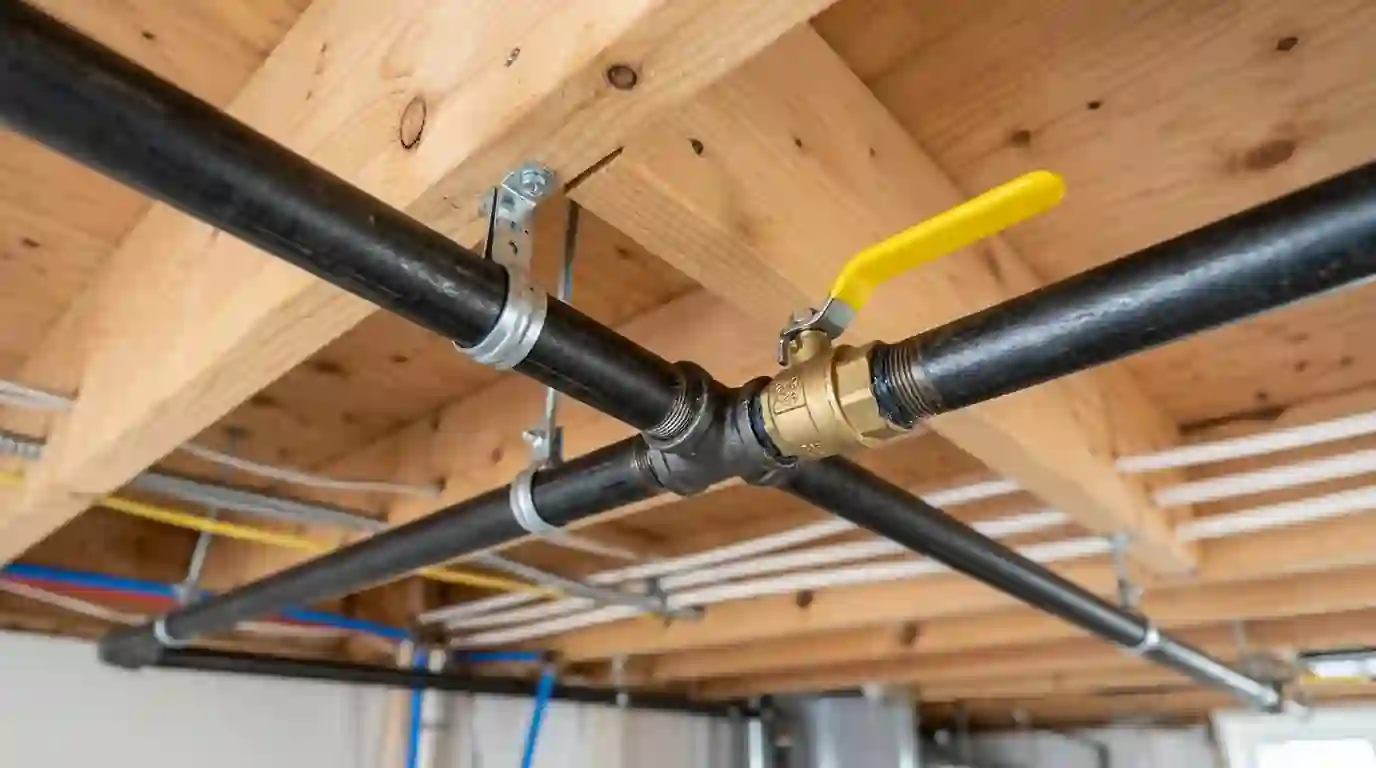
Kitchen drains handle grease, starch and food scraps, which cling to pipe walls and slowly narrow them. In older Minneapolis homes, the kitchen line often runs through galvanized steel, which is rough inside and catches grease, then drops into a cast iron stack. After decades, that pipe may be down to a fraction of its original opening.
Clearing the clog with a cable buys time, but if the line is badly narrowed, the clog comes back. When a kitchen drain needs cleaning more than once or twice a year, PlumbTek looks at replacing the galvanized section from the sink back to the stack with PVC, which is smooth inside and far less prone to buildup.
The dishwasher and fridge lines nobody checks
Two of the most common kitchen leaks are hidden behind appliances. Dishwasher supply lines and drain hoses sit under the unit where small drips go unnoticed until the floor buckles. The drain hose should rise in a high loop to the underside of the counter, or run through an air gap, so dirty sink water can't siphon back into the dishwasher.
Refrigerator ice maker lines are another weak spot. Older installations used thin plastic tubing or self-piercing saddle valves clamped onto copper, both of which crack or seep over time. Swapping those for a braided line and a proper quarter-turn valve in a recessed box is a small job that prevents a slow leak under the fridge.
Moving a sink to an island or a new wall
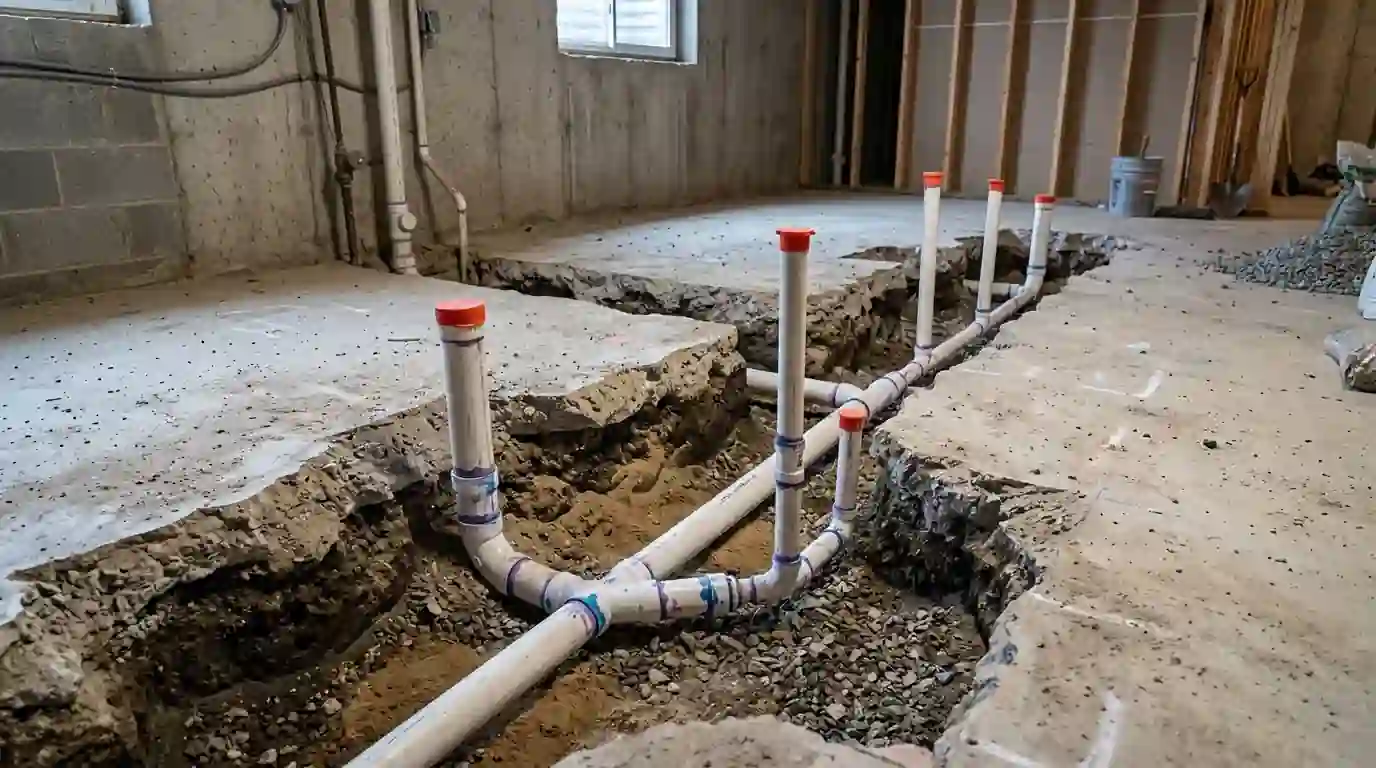
Many kitchen remodels move the sink to an island, which needs a drain under the floor and a vent solution. Island sinks can use a loop vent under the counter or an air admittance valve where allowed. The drain has to reach the stack or a branch line with proper slope, which depends on joist direction and basement access.
Moving a sink to a different wall usually means a new drain branch and new supply lines. In homes with exterior walls facing north or west, keeping supply lines out of those walls avoids frozen pipes in January. If they must go there, they get insulated and kept inside the wall insulation, not tight against the sheathing.
Kitchen plumbing problems worth a call
Some of these look small, but they usually point to something bigger behind the cabinet.
- Kitchen sink clogs oftenRepeated clogs in the same sink point to a narrowed drain line in the wall, not just a stuck trap.
- Swollen cabinet floorA bubbled or soft cabinet base under the sink means a slow drip from a supply line, valve or trap joint.
- Water by the dishwasherLeaks from the supply line, drain hose or door seal pool under the unit and damage flooring before they're seen.
- Ice maker leaks or stopsCracked plastic tubing or a failing saddle valve causes small leaks or a fridge that stops making ice.
- Gurgling sink drainA sink that gurgles when the dishwasher drains often has a poor vent or a partial clog in the line.
- Sewer smell under the sinkA dry or missing trap, or a loose drain connection, lets sewer gas into the kitchen.
How we work through a kitchen plumbing job
Trace the problem
The plumber checks the sink, disposal, dishwasher and fridge connections, and runs water to find where leaks or slow drainage start.
Lay out the options
You hear whether a cleaning, a repair or a section replacement makes sense, and what each costs before work begins.
Repair or replace pipe
Clogged lines are cleared, old galvanized drain is replaced back to sound pipe, and leaking valves or lines are swapped.
Reconnect appliances
Dishwasher drain hoses get a high loop or air gap, and fridge lines get proper valves and braided supply.
Run everything and check
The sink, disposal and dishwasher run together while the plumber checks every connection for leaks and drainage.
Kitchen plumbing prices around the Twin Cities
These are typical 2026 ranges for Minneapolis and nearby suburbs. Your actual price depends on what's behind the cabinets, and it's explained before work starts.
| Job | Typical range | What moves the price |
|---|---|---|
| Kitchen drain line cleaning | $168 to $337 | Line length and grease buildup drive the range |
| Galvanized kitchen drain replaced to stack | $687 to $1,438 | Wall and floor access change the time |
| Ice maker line and recessed valve box | $213 to $468 | Longer runs from the supply add parts |
| Island sink drain, vent and supply rough-in | $1,612 to $3,287 | Basement access and floor framing matter |
| Full kitchen remodel plumbing, rough and finish | $2,863 to $6,418 | Number of fixtures and moves drives cost |
What changes the number
- Galvanized and cast iron lines in older homes often need replacing rather than just cleaning.
- Kitchens over finished basements cost more to reroute than those over open joists.
- Moving a sink to an island requires venting work and a new drain path.
- Adding a pot filler, bar sink or second dishwasher adds supply and drain runs.
- Work in exterior walls needs extra care to keep pipes from freezing in winter.
Ranges reflect typical Twin Cities jobs in 2026. Your price is explained before work starts. Compare other jobs in the PlumbTek price guide.
Simple ways to keep a kitchen drain flowing
- Wipe pans before washing. Grease poured or rinsed down the drain hardens in cold pipe. Wipe pans with a paper towel and throw it away.
- Use cold water with the disposal. Cold water keeps fats solid so they're ground and carried away rather than melting and coating the pipe.
- Run water after the dishwasher drains. A short flush of hot water from the sink helps push dishwasher discharge through older narrow lines.
- Skip chemical drain openers. Harsh drain chemicals damage older pipe and traps, and they rarely clear a grease clog fully.
- Know your kitchen shut-offs. Check that the stop valves under the sink and behind the fridge turn freely, so you can stop a leak fast.
Kitchens in Minneapolis and Saint Paul homes
Kitchens in older homes in Whittier, Cooper and Saint Paul's Mac-Groveland were often updated in pieces over several decades, so the plumbing behind the cabinets is a mix of galvanized, copper and plastic from different eras. A good kitchen plumbing job in those houses starts by sorting out which sections are sound and which have been patched too many times.
In the suburbs, from Apple Valley to Andover, kitchens from the 1980s and 1990s often have copper or early plastic supply with saddle valves on the fridge line. Those homes also tend to have larger kitchens with islands, where adding or moving a sink is more practical thanks to open basement joists below.