Plumbing in Armatage, the short answer
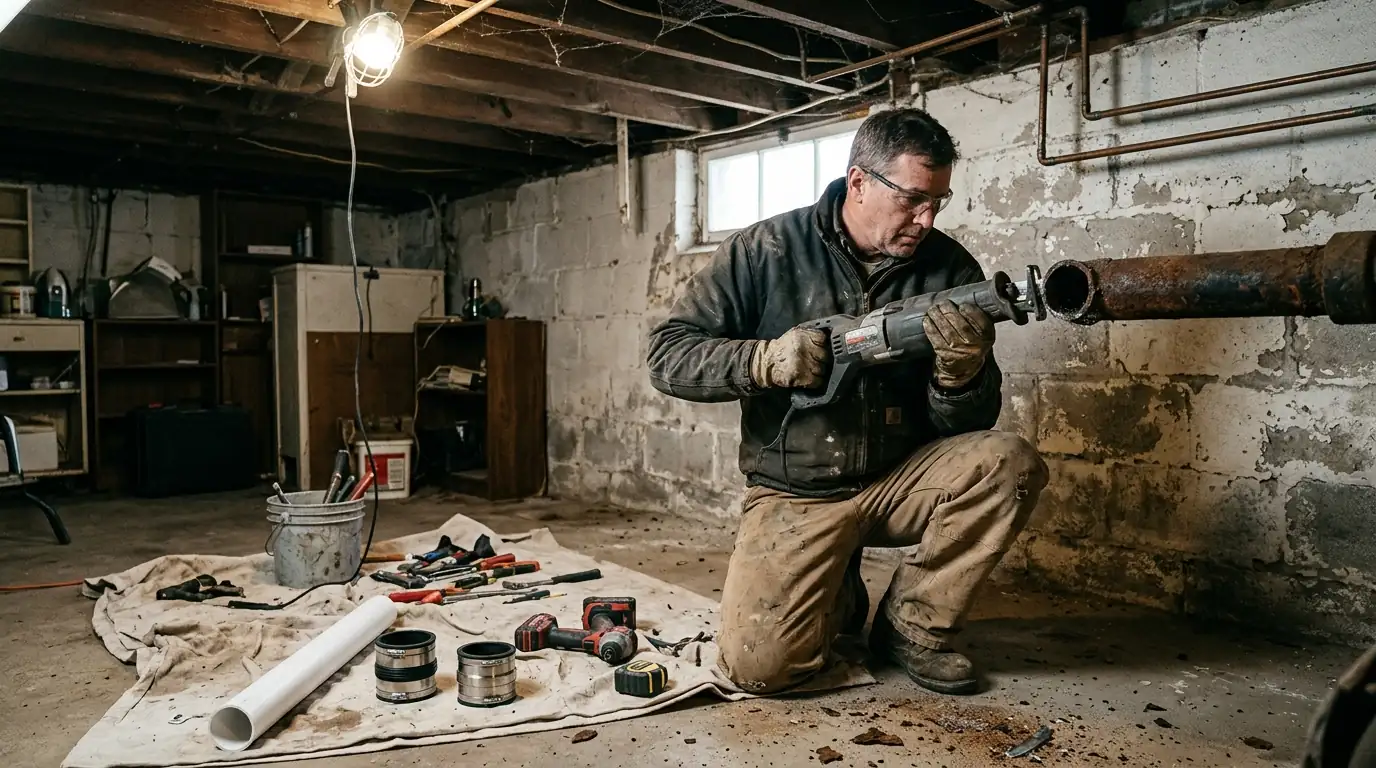
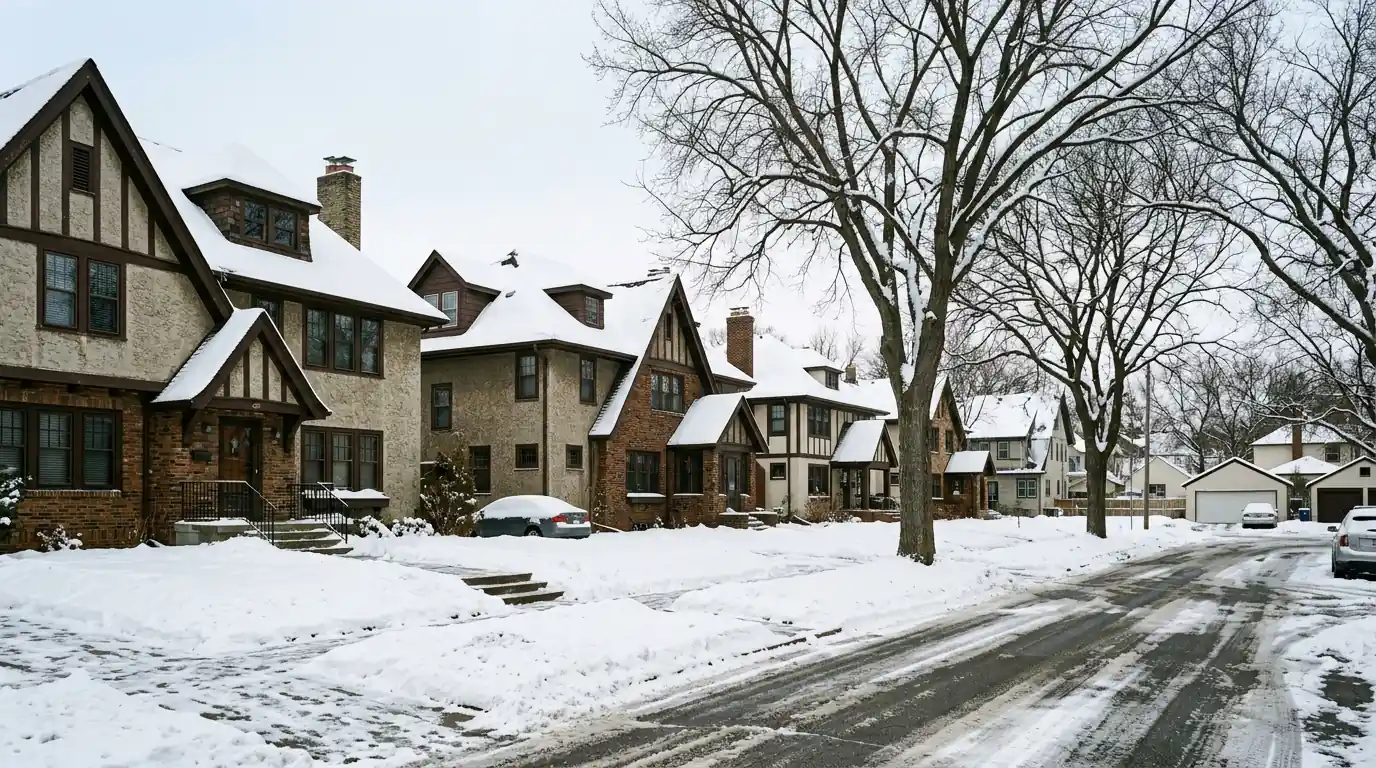
PlumbTek plumbs homes in Armatage, ZIP 55410, the post-war neighborhood around Armatage Park near Highway 62. Typical work includes cast iron drain repair, cleaning slow basement and kitchen lines, replacing tired water heaters, and fixing pinhole leaks in early copper. You'll hear what's wrong and what the fix costs before anything is opened up.
Why post-war cast iron drains are failing now in Armatage
Cast iron drain pipe holds up for a long time, but it doesn't last forever. In Armatage ramblers and Cape Cods from the 1940s and 1950s, the original stacks and horizontal runs have been carrying waste for seventy years or more. The bottom of horizontal pipe wears thin first, because that's where water and solids travel every day.
Signs include a rusty stain along the underside of a basement drain line, a sewer smell near the laundry, or a crack you can see along the side of the stack. Short sections can be cut out and replaced with plastic using no-hub couplings. Long runs with heavy scaling are usually better replaced as a whole.
What later basement finishing hides in these homes
Many Armatage basements were finished decades after the house was built, and the plumbing got boxed in behind paneling or drywall. That keeps things tidy until a pipe leaks. Water from a cracked drain or a weeping copper joint can run along a joist or behind a wall for weeks before a stain appears on the ceiling or carpet.
When PlumbTek works in a finished lower level, the first job is finding the pipe without tearing out more than needed. Access panels at the stack and main cleanout make future repairs simpler. If your water heater sits in a tight closet carved out during finishing, venting and clearance get checked whenever it's replaced.
Habits that help Armatage ramblers age well
- Add access panels when you finish. If you're refinishing the basement, ask for removable panels at the main cleanout and stack. Getting to them later then takes minutes instead of a drywall saw.
- Check under horizontal drains. Once a year, look at the underside of exposed cast iron runs with a flashlight. Rust trails, flaking or damp spots are worth a call before the pipe opens up.
- Flush the tank yearly. Draining a few gallons from the water heater valve once a year clears sediment and helps an older tank last a bit longer.