Gas line repair in Minneapolis, the short answer
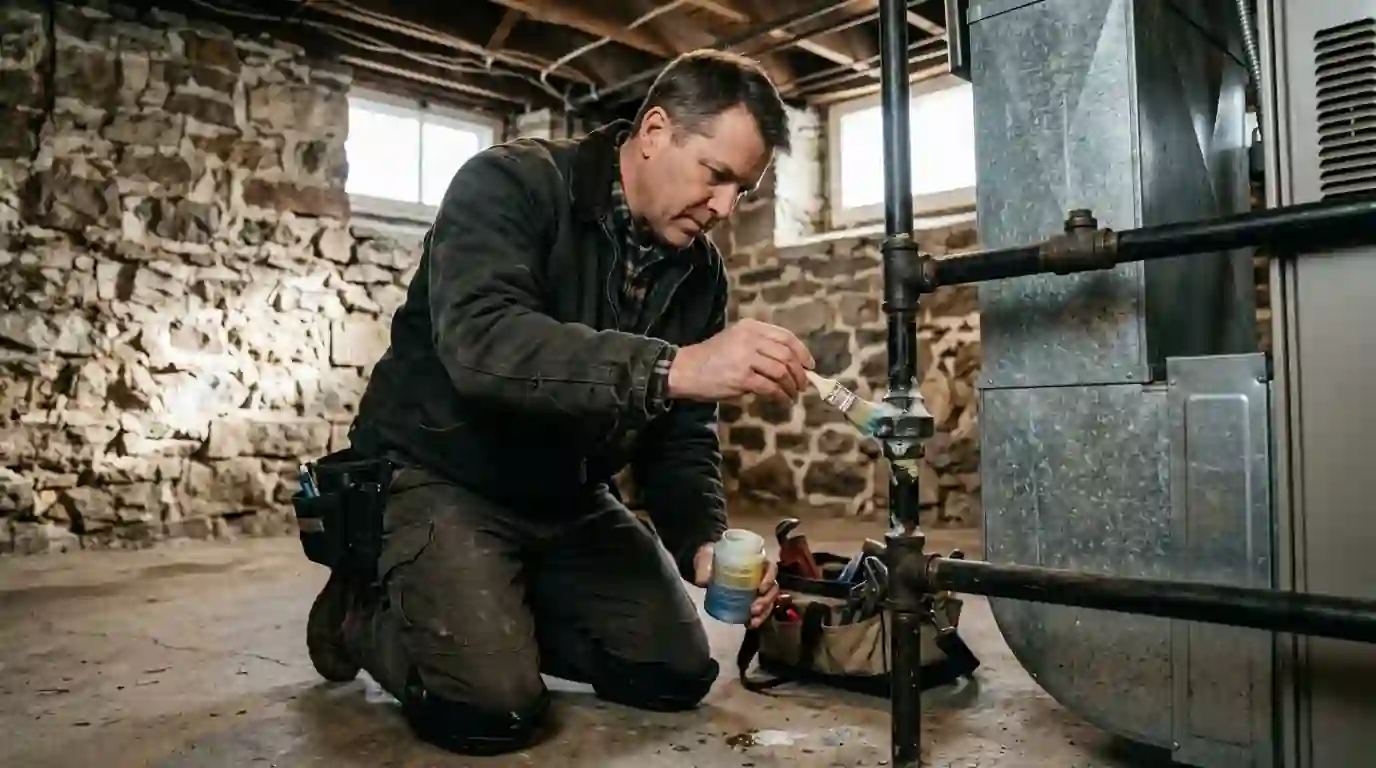
Gas line repair in Minneapolis means finding and fixing leaks in the piping between your gas meter and your appliances, from a loose basement union to a corroded yard line feeding a garage. You need it after the utility shuts off or red-tags your gas, or a pressure test fails. Safety comes first: leave the house, call the utility, then call a plumber.
What should you do the moment you smell gas?
Leave the building first. Don't flip light switches, unplug anything, start a car in an attached garage or use your phone inside, because any of those can make a spark. Leave the door open behind you if it's on your way out, but don't go hunting for windows. Get people and pets out to the sidewalk or a neighbor's yard, well away from the house.
From outside, call the gas utility's emergency line or 911. In Minneapolis that's usually CenterPoint Energy, and Xcel Energy serves Saint Paul gas customers. The utility crew checks the air, shuts the meter if needed and tags any unsafe appliance. Their job is making the house safe. Repairing the piping on your side of the meter is a plumber's job.
Once the utility clears you to go back in, call PlumbTek at (612) 254-6294. The phone is answered 24/7 and gas jobs are prioritized. Tell us what the utility crew found and whether they tagged a valve or appliance.
Where gas piping fails in Twin Cities houses
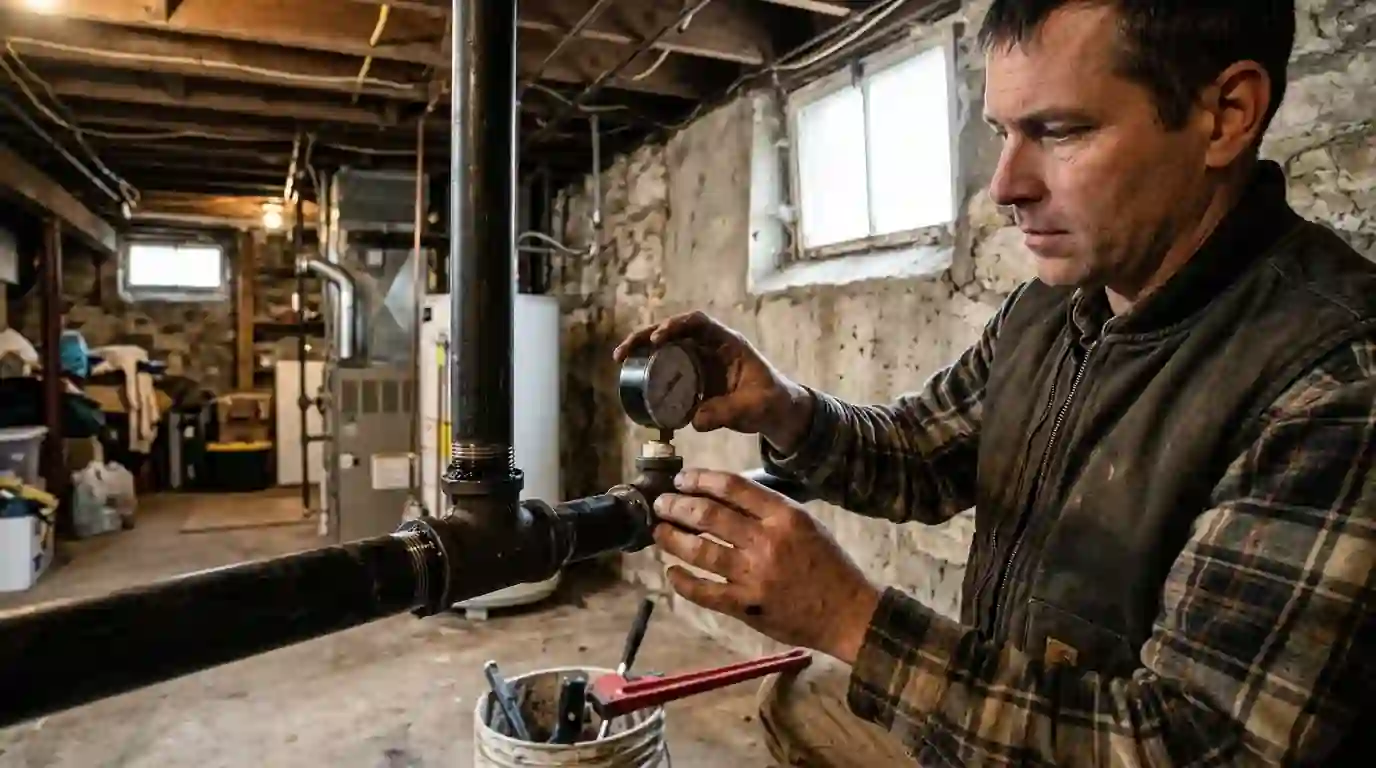
Most leaks we find are at joints, not mid-pipe. Threaded black iron fittings loosen after decades of furnace vibration and basement temperature swings. Old uncoated brass connectors behind ranges and dryers crack at the flare nut. Gas cocks with dried grease weep once someone finally turns them, and in damp basements rust thins the wall of threaded nipples near the floor drain.
Outside, buried lines to detached garages, grills and pool heaters are another weak spot. Older steel yard lines rust where the coating was scraped during backfill, and frost heave stresses the fitting where pipe rises from the ground. Lightning can hole CSST that lacks proper bonding, so we check the bonding clamp on every CSST repair.
Why a gas repair always ends with a pressure test
A gas repair isn't finished when the leak stops bubbling. The plumber isolates the system, puts it under test pressure with a gauge and watches for a drop over a set period. If the needle moves, there's a second leak, and it gets found before anyone relights a pilot. The city inspector and the utility want to see this step too.
Repairs on gas piping generally need a permit and a city inspection, and we pull the permits the job needs. After the work passes, the utility turns the meter back on if it was shut, and appliances are relit and checked for proper flame and draft. You get a plain explanation of what failed and what was replaced.
Signs your gas piping needs a plumber
Some of these mean leave the house now, others mean call soon.
- Rotten egg smell indoorsUtility gas is odorized to smell like sulfur. Any smell near the meter, furnace, water heater or range means leave first and call the utility from outside.
- Hissing near a pipeA steady hiss at a fitting, valve or appliance connector is gas escaping under pressure. Don't try to tighten it yourself, get out and call.
- Utility red tag on applianceA red tag means the utility found an unsafe condition and shut that appliance off. The piping or connector has to be repaired and retested before it can run.
- Dead grass over yard lineA brown strip of lawn running toward a detached garage or grill in an otherwise green yard can point to gas leaking from a buried line.
- Old brass flexible connectorUncoated brass connectors from decades ago crack at the flare fittings. Minneapolis home inspectors flag them often, and they should be replaced.
How a gas leak repair goes from start to finish
Utility makes it safe
The gas utility checks the air, shuts the meter or tags the appliance and clears the house. Our work starts only after that step.
Isolate and pressure test
The plumber closes the right valves, caps open lines and pressurizes the piping with a test gauge to confirm the leak and judge its size.
Pinpoint the leak
Leak detection solution on every joint, plus an electronic gas detector in tight spots, narrows the leak to a specific fitting, valve or length of pipe.
Repair or replace the section
Failed fittings, valves and connectors are replaced with new parts, and corroded pipe is cut out and rebuilt with black iron or CSST with a proper bonding clamp.
Retest, inspect and relight
The system holds test pressure, the city inspection is scheduled, the utility restores service if needed, and each appliance is relit and checked for flame and draft.
What gas line repair costs in the Twin Cities
Typical 2026 ranges for gas piping repairs around Minneapolis. Your house sets the final number, and you approve it before anything is cut or replaced.
| Job | Typical range | What moves the price |
|---|---|---|
| Leak search and pressure test | $189 to $367 | Size of the system, number of appliances and how hidden the piping is |
| Appliance connector and shut-off valve | $164 to $298 | Range, dryer or water heater, and access behind the appliance |
| Rebuild a section of basement gas pipe | $347 to $812 | Length of pipe, number of fittings and finished ceilings in the way |
| Replace buried line to detached garage | $1,385 to $3,470 | Trench length, frozen ground, landscaping and the line material chosen |
What changes the number
- Permit and city inspection fees are part of most gas repairs and are included in the price we explain up front.
- Leaks inside finished walls or ceilings take longer to reach and may need a small access opening.
- Winter digging for buried yard lines costs more because frozen soil has to be thawed or broken.
- After-hours and holiday gas work may carry a higher labor rate, which is stated before work begins.
Ranges reflect typical Twin Cities jobs in 2026. Your price is explained before work starts. Compare other jobs in the PlumbTek price guide.
A gas safety checklist to keep on the fridge
Share this with everyone in the house, including overnight guests.
- Smell gas: leave first, then call the utility or 911 from outside
- Never switch lights, use a phone or start a car inside a house that smells of gas
- Know where the gas meter and its shut-off are, but leave meter shut-offs to the utility
- Call 811 before digging anywhere near a buried gas line
- Keep carbon monoxide alarms near bedrooms and test them twice a year
- Have old brass flexible connectors replaced before they crack
Gas piping in older Minneapolis and Saint Paul homes
Many homes in Longfellow, Powderhorn, Kingfield and Saint Paul's Midway were built before modern appliance connectors existed. Their gas piping grew piece by piece as homes went from coal heat to a gas furnace, then a gas dryer and range. That history shows up as mixed fittings, capped dead ends and valves nobody has turned in decades, and we check the dead ends as carefully as the active runs.
Newer suburbs like Woodbury, Maple Grove and Lakeville tend to have CSST run through joists and walls. It's quick to install but needs a bonding wire tied to the electrical ground, and later remodeling can nick its jacket. Out toward Big Lake and Elk River, detached shops with long buried yard lines make outdoor leaks more common.