Plumbing in Diamond Lake, the short answer
PlumbTek plumbs homes in Diamond Lake, ZIP 55419, the post-war neighborhood ringing the lake between Interstate 35W and Highway 62. Calls here split between sump pumps on the lower lots near the water and cast iron drain lines that have rusted thin under the basement floor. A quick look at the pit or a camera down the drain shows which you're dealing with.
What lakeside lots ask of a Diamond Lake sump pit
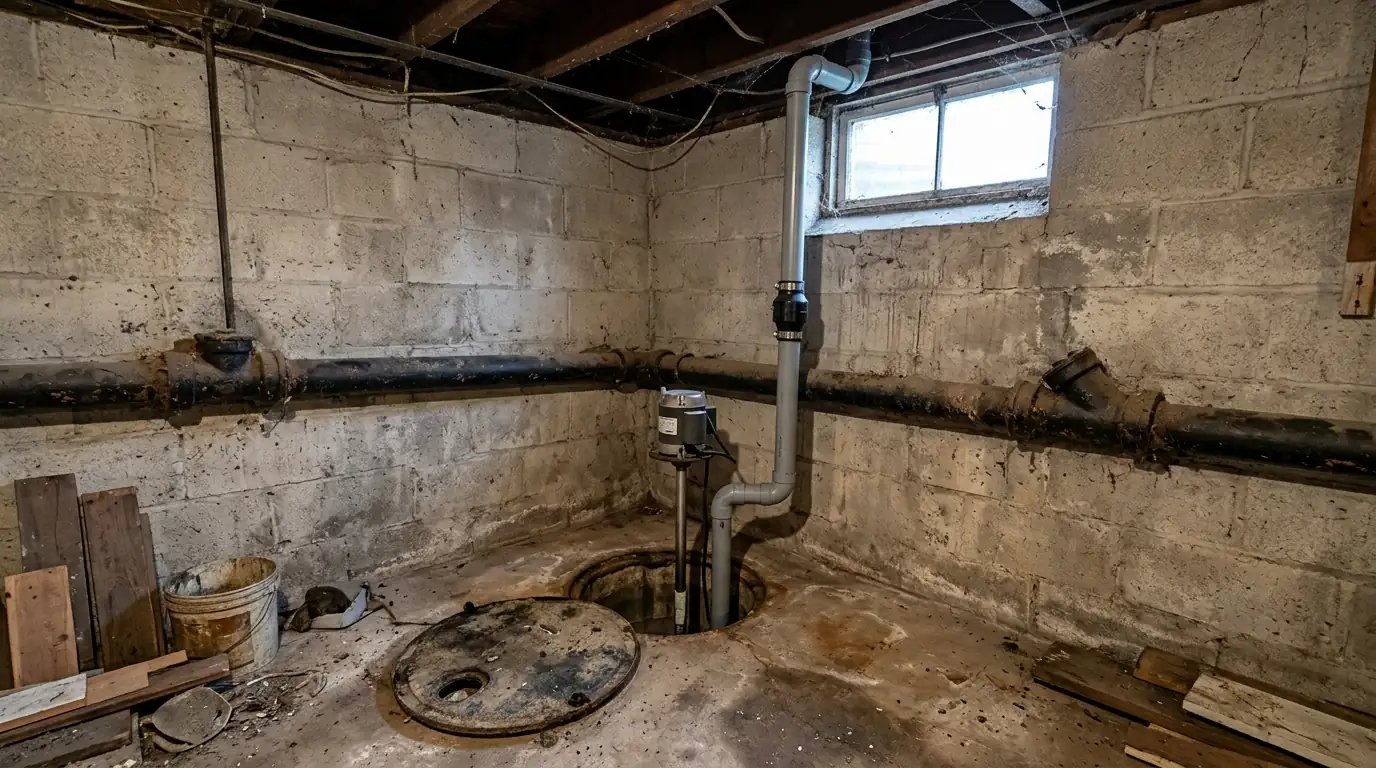
Diamond Lake is a shallow lake, and some of the houses closest to it sit on ground only a little above the water table. During spring thaw and long summer rains, groundwater rises under those basement slabs. The sump pit collects it and the pump pushes it out, sometimes cycling every few minutes for days at a stretch.
That workload wears out float switches and motor bearings faster than in homes on higher ground a few blocks away. A pump that hums but won't move water, or one that runs without stopping, is close to failing. Swapping it before the next storm, and checking that the check valve and discharge line are sound, costs far less than drying out a basement.

How cast iron drains age under a 1950s rambler
Builders here ran cast iron for the main stack and the horizontal drain under the basement floor. After seventy years or so, that iron rusts from the inside out. Scale builds along the bottom of the pipe, flow slows, and eventually the underside cracks or rots through, often right where it bends toward the sewer lateral.
You might notice a sewer smell in the basement, damp patches on the slab near the laundry, or drains that clog again shortly after cleaning. When PlumbTek finds a failing run, the usual answer is replacing that section with PVC rather than the whole system, since the vertical stack in a story-and-a-half often still has life left.
Diamond Lake pointers for wet seasons and old iron
- Pour a bucket into the pit in March. Before thaw, fill the sump pit with water and watch the pump start, drain it and shut off. If it hesitates or the float sticks, you have time to fix it before the ground opens up.
- Tap the iron drain for soft spots. Look along exposed cast iron for flaking rust, damp seams or orange streaks. Gently tap suspect spots with a screwdriver handle; a dull, crumbly sound points to thin pipe.
- Run the discharge past the lawn slope. On low Diamond Lake lots, sump water that exits next to the foundation can soak right back in. Extend the discharge so it lands where the yard slopes away from the house.