Water softener installation in Minneapolis, the short answer
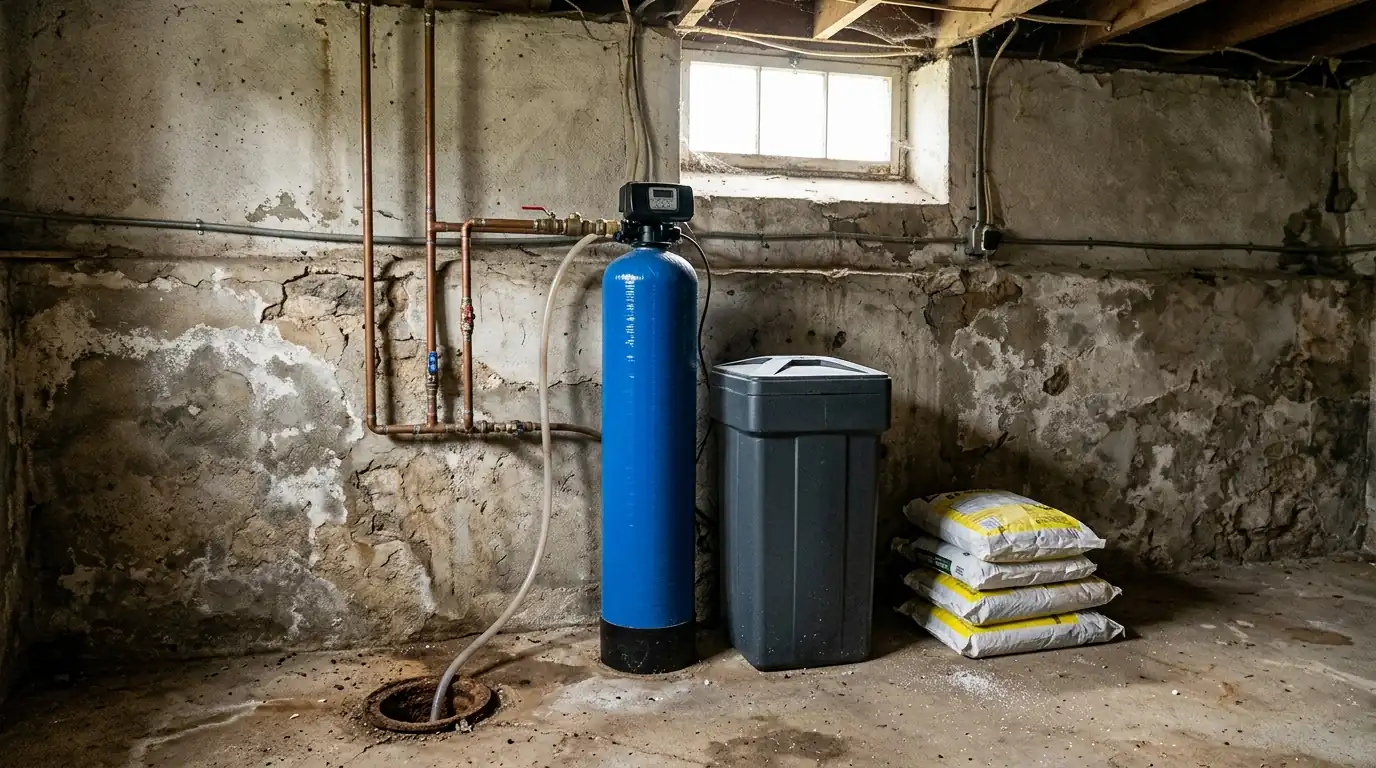
Water softener installation in Minneapolis homes means plumbing a resin tank and brine tank into the main water line so calcium, magnesium and some iron are removed before water reaches fixtures and appliances. You need it when scale builds on faucets and heaters, soap won't lather, or a private well delivers hard, iron-bearing water.
Test first, then size the resin tank to your water
Softener size depends on two things: how hard your water is and how much your household uses. We start with a water test at the kitchen tap or the well pressure tank. Hardness, iron and pH all affect the choice, because iron at higher levels can foul a standard resin bed and may need a dedicated iron filter ahead of the softener.
From there we size the resin tank so it regenerates every several days instead of every night. An undersized unit regenerates too often, wasting salt and water. An oversized one can let resin sit too long between cycles, especially in a small household. Matching the tank to the water is what keeps salt use reasonable and results steady.
Where the softener goes in your plumbing, and why it matters
A softener is installed after the water meter or well pressure tank and before the water heater. Most homeowners want soft water to the kitchen, bathrooms, laundry and water heater, but not to outdoor hose bibs, since watering the lawn with softened water wastes salt. Sometimes the kitchen cold tap gets left on hard water for drinking.
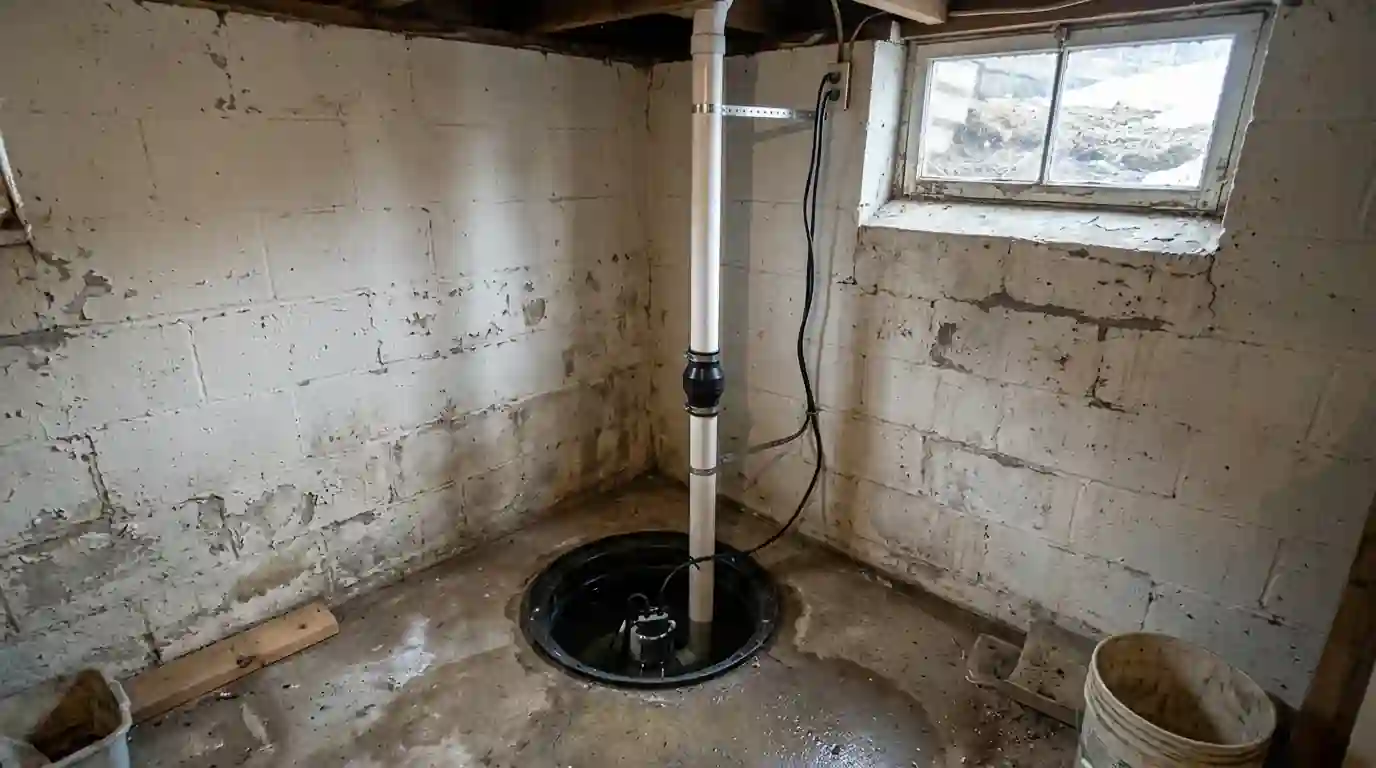
Every install includes a bypass valve so the unit can be isolated for service without shutting off the house. The regeneration drain runs to a floor drain or standpipe with an air gap, which is required so wastewater can't siphon back into the softener. The brine tank overflow gets its own line too, so a stuck float can't flood the basement floor.
City water versus well water: different reasons to soften
Minneapolis and Saint Paul already soften their water at the treatment plant, so many city homes don't strictly need a softener. Some homeowners still add one for extra-soft water, but it's more of a preference than a fix. Several surrounding suburbs on their own municipal wells deliver harder water, and those homes see more scale.
Private wells are a different story. Homes in Big Lake, Elk River, Buffalo, Monticello and rural Sherburne and Wright counties often pull hard, iron-bearing water. Without treatment, iron stains fixtures and laundry, and scale shortens water heater life. On those wells PlumbTek often pairs the softener with an iron filter or sediment filter for best results.
How to tell your home needs a water softener
Hard water announces itself in a few predictable ways.
- White crust on faucets and showerheadsCalcium and magnesium deposits build where water evaporates. Showerheads clog and spray unevenly as the openings narrow.
- Orange or brown stains in toiletsIron in well water leaves rust-colored rings in toilet bowls, tubs and sinks that scrubbing won't fully remove.
- Soap and shampoo won't latherHard water reacts with soap, leaving scum on tubs and a film on skin and hair.
- Water heater pops and rumblesScale settles at the bottom of the tank and traps water against the burner, a sign hard water is reaching your heater.
- Spotty dishes and stiff laundryMineral residue dries on glassware and stays in fabric fibers, making towels rough even after washing.
Our steps for putting in a new softener
Call and share the water source
Ring (612) 254-6294 and tell us if the house is on city water or a private well. Any recent water test results help.
On-site water test
We test hardness, iron and pH and look at where the main line, water heater, floor drain and outlet are in your basement.
Size and price the system
You hear the recommended resin tank size, any extra filtration needed, and the installed price before work begins.
Plumb in with bypass
The softener goes in after the meter or pressure tank with a bypass valve, drain line with air gap, and brine overflow line.
Program and run first regen
We set hardness, household size and regeneration time, load salt, and run a regeneration cycle to confirm it drains correctly.
Installed softener prices in the Twin Cities for 2026
Ranges reflect common setups. Your actual price depends on your water test and plumbing layout, and is explained before work starts.
| Job | Typical range | What moves the price |
|---|---|---|
| Standard metered softener on city or suburban water | $1,487 to $2,363 | Resin tank size, control valve type and plumbing changes |
| Softener for hard well water with moderate iron | $1,893 to $2,946 | Iron level and need for a larger resin bed |
| Softener plus dedicated iron filter | $3,212 to $4,687 | Filter media type, backwash needs and space |
| Swap an old softener for a new one | $1,263 to $2,118 | Reuse of existing bypass and drain piping |
What changes the number
- High iron or manganese may require a separate filter ahead of the softener.
- Separating outdoor spigots from soft water can add piping work.
- No floor drain nearby means running a longer drain line or adding a standpipe.
- Metered control valves cost more upfront but use less salt and water over time.
- Old galvanized lines near the install point may need replacing for a clean connection.
Ranges reflect typical Twin Cities jobs in 2026. Your price is explained before work starts. Compare other jobs in the PlumbTek price guide.
Metered versus timer-based softener controls
| Point | Metered control | Timer control |
|---|---|---|
| When it regenerates | After a set volume of water is used | On a fixed schedule regardless of use |
| Salt use | Lower, regenerates only when needed | Higher, may regenerate when not needed |
| Best fit | Households with changing water use | Very steady, predictable use |
| Upfront cost | Somewhat higher | Lower |
| Vacation behavior | Pauses naturally when no water is used | Keeps cycling unless reset |
Softener choices in Minneapolis homes versus outlying wells
In Minneapolis and Saint Paul, where the city already softens water, many homes do fine without a softener. When a homeowner here wants one anyway, a smaller unit with a low hardness setting is usually enough, and it's mostly about extra-soft water for showers and the water heater rather than stopping heavy scale.
Out on private wells around Big Lake, Elk River and rural Wright County, the story changes completely. Hard, iron-rich water stains everything and coats pipes fast. These homes need a properly sized softener, and often an iron filter. PlumbTek runs service from the Big Lake office through that area regularly, so we see what those wells deliver.