Appliance hookups in Minneapolis, the short answer
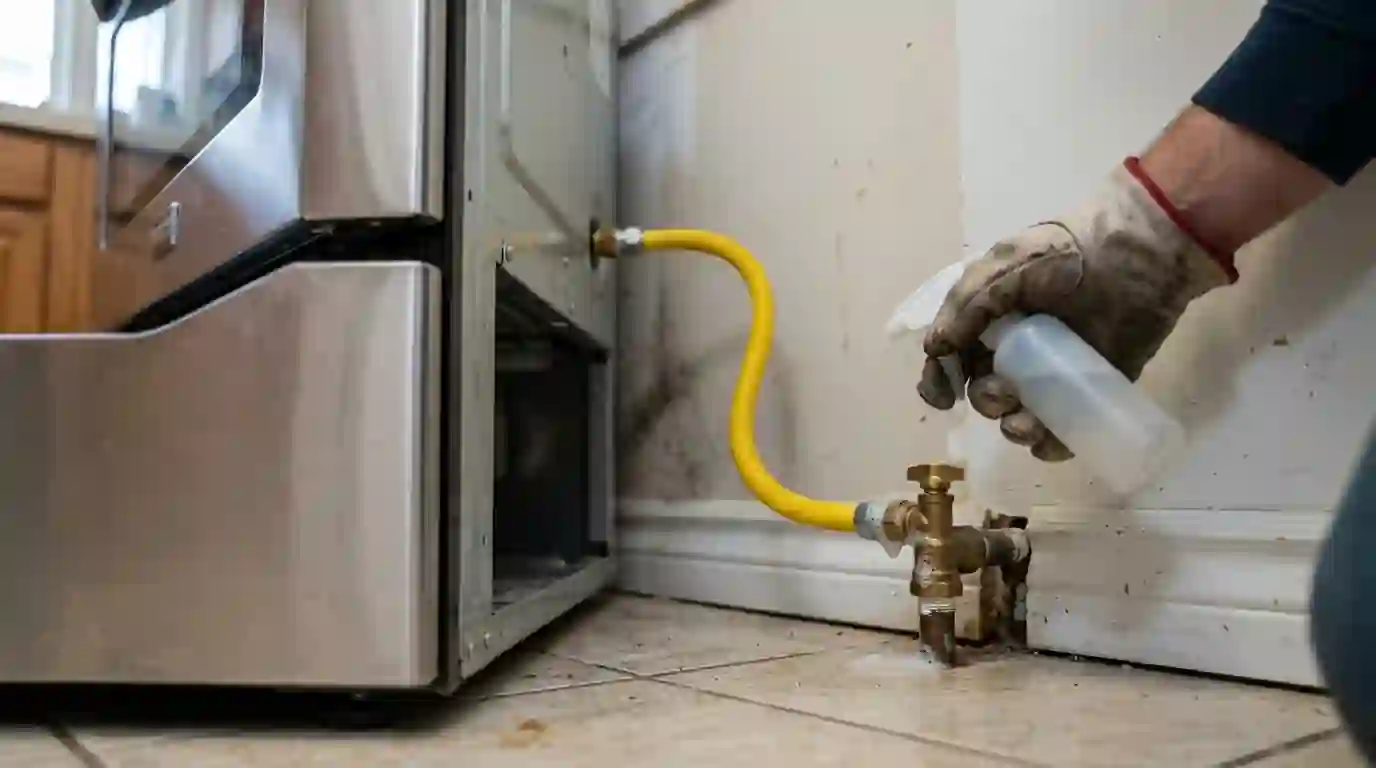
Appliance hookups in Minneapolis cover connecting water, drain and gas to new or replacement dishwashers, refrigerators with ice makers, washers, gas dryers, gas ranges and water dispensers. You need one when delivery crews only drop off the unit, when an old connection doesn't fit the new appliance, or when an appliance moves to a new spot. Gas connections are leak tested before the appliance is lit.
Why delivery crews often leave the hookup to you
Many appliance retailers deliver and set the unit but stop short of connecting it, especially for gas appliances or when the existing valves look old. Some will connect only if a working shut-off is in place and the connector length matches. That leaves a new range or dryer pushed against the wall with nothing hooked up.
A proper hookup isn't just tightening a hose. The shut-off valve has to be accessible, the connector sized and rated for the appliance, and the connection tested. With water appliances, the drain path matters as much as the supply. Getting those details right the first time keeps a new appliance from causing a leak or a gas smell.
Gas dryer and range connections done safely
A gas dryer or range connects to a gas stub with its own shut-off valve, using a flexible connector rated for gas. Old uncoated brass connectors found behind many older appliances should be replaced, not reused, because they crack at the flare fittings over time. New connectors are coated stainless and sized to the appliance.
Once connected, every joint is checked with leak detection solution and the appliance is lit to confirm proper flame. Converting from electric to gas, or adding a gas stub where there was none, is a gas line installation and needs a permit. PlumbTek pulls the permits that work requires and arranges the city inspection.
Dishwasher and refrigerator water connections
A dishwasher needs a hot water supply with its own shut-off, an electrical connection and a drain hose routed to the disposal or sink tailpiece. The supply line is usually a braided connector with a dishwasher elbow, and the cabinet hole is checked for sharp edges that can wear through the hose over time.
Refrigerators with ice makers or water dispensers need a cold supply line, ideally from a recessed outlet box behind the fridge with a quarter-turn valve. When the fridge sits far from the sink, the line runs through the basement or cabinets. Copper or braided lines hold up better than the plastic tubing included with some refrigerators.
When an appliance hookup needs a plumber
Some hookups are simple, but these situations call for more than a wrench.
- No shut-off at the applianceEvery water and gas appliance should have its own accessible shut-off so it can be serviced without stopping the whole house.
- Old brass gas connectorUncoated brass flex connectors from older installations crack at the fittings and must be replaced with a coated stainless one.
- Connector won't reachWhen the new appliance's connection point sits in a different spot, the supply or gas stub may need extending.
- Switching electric to gasConverting a dryer or range to gas means running a new gas line and getting a permit and inspection.
- Fridge far from the waterA refrigerator on an island or across the kitchen needs a supply line run through the basement or cabinets.
- Dishwasher where none existedAdding a dishwasher means a hot supply, drain connection and electrical, often in a cabinet that needs modifying.
How an appliance hookup visit works
Look at the existing connections
The plumber checks the shut-off valves, connector type, drain path and gas stub, and compares them with what the new appliance needs.
Explain what's needed
You hear if the existing setup can be used or if a valve, connector or line extension is needed, with the price before work begins.
Install valves and connectors
Worn valves and old connectors are replaced, and the appliance gets new supply lines, drain hose routing or gas connector.
Test water and gas
Water connections run under pressure while being checked for drips, and gas joints are leak tested with solution before lighting.
Run the appliance
The dishwasher drains, the fridge fills its ice maker, the washer runs a cycle, or the range and dryer light properly.
Appliance hookup prices in the Twin Cities
Typical 2026 ranges for Minneapolis and the suburbs. Your actual price depends on the appliance and the existing connections, and it's explained before work starts.
| Job | Typical range | What moves the price |
|---|---|---|
| Dishwasher replacement hookup | $187 to $343 | New valve or supply line adds a little |
| Refrigerator ice maker line connection | $143 to $289 | Longer runs through the basement cost more |
| Gas dryer or range connection | $167 to $318 | Includes new connector and leak testing |
| New gas stub for dryer or range | $487 to $1,163 | Distance from the gas line and permit |
| New dishwasher where none existed | $563 to $1,247 | Cabinet work and electrical drive the range |
What changes the number
- Replacing old shut-off valves or uncoated brass gas connectors adds parts and time.
- Running a new supply or gas line to a different location increases cost.
- New gas lines need a permit and inspection before the appliance can be used.
- Finished basements or ceilings make it harder to route lines from below.
- Hauling away the old appliance may be handled by the retailer instead.
Ranges reflect typical Twin Cities jobs in 2026. Your price is explained before work starts. Compare other jobs in the PlumbTek price guide.
Gas or electric dryer: what the hookup involves
| Point | Gas dryer | Electric dryer |
|---|---|---|
| Utility connection | Gas stub with shut-off plus a standard outlet | Dedicated 240-volt circuit and outlet |
| Plumber needed | Yes, for the gas connection and leak test | No plumbing, only electrical |
| Venting | Vented outdoors, required for combustion gases | Vented outdoors for lint and moisture |
| Switching from the other type | New gas line, permit and inspection | New circuit from an electrician |
| Running cost | Usually lower to operate where gas is available | Usually higher per load than gas |
Hooking up appliances in older Twin Cities homes
Older homes in Minneapolis neighborhoods like Victory and Windom Park, and across much of Saint Paul, often have gas ranges connected decades ago with brass flex connectors or even rigid pipe. Those connections are replaced, not reused, when a new range goes in. The gas shut-off behind the range is also checked, since old ones are often seized.
Kitchens in these homes were often built before dishwashers and ice makers were common, so there may be no hot supply in the sink base suited for a dishwasher or no water near the fridge. Running those lines usually goes easily through an unfinished basement below. In finished basements, the plumber looks for the shortest path through the cabinets.