Plumbing in Keewaydin, the short answer
PlumbTek plumbs homes in Keewaydin, ZIP 55417, the post-war neighborhood between Lake Nokomis and the airport. Common work includes replacing water heaters in tight utility rooms, repairing cast iron drain lines, fixing pinhole leaks in early copper, and clearing slow basement drains. Before work starts you'll hear what's needed and what it costs, and the phone is answered day and night.
Why water heater swaps in Keewaydin take some planning
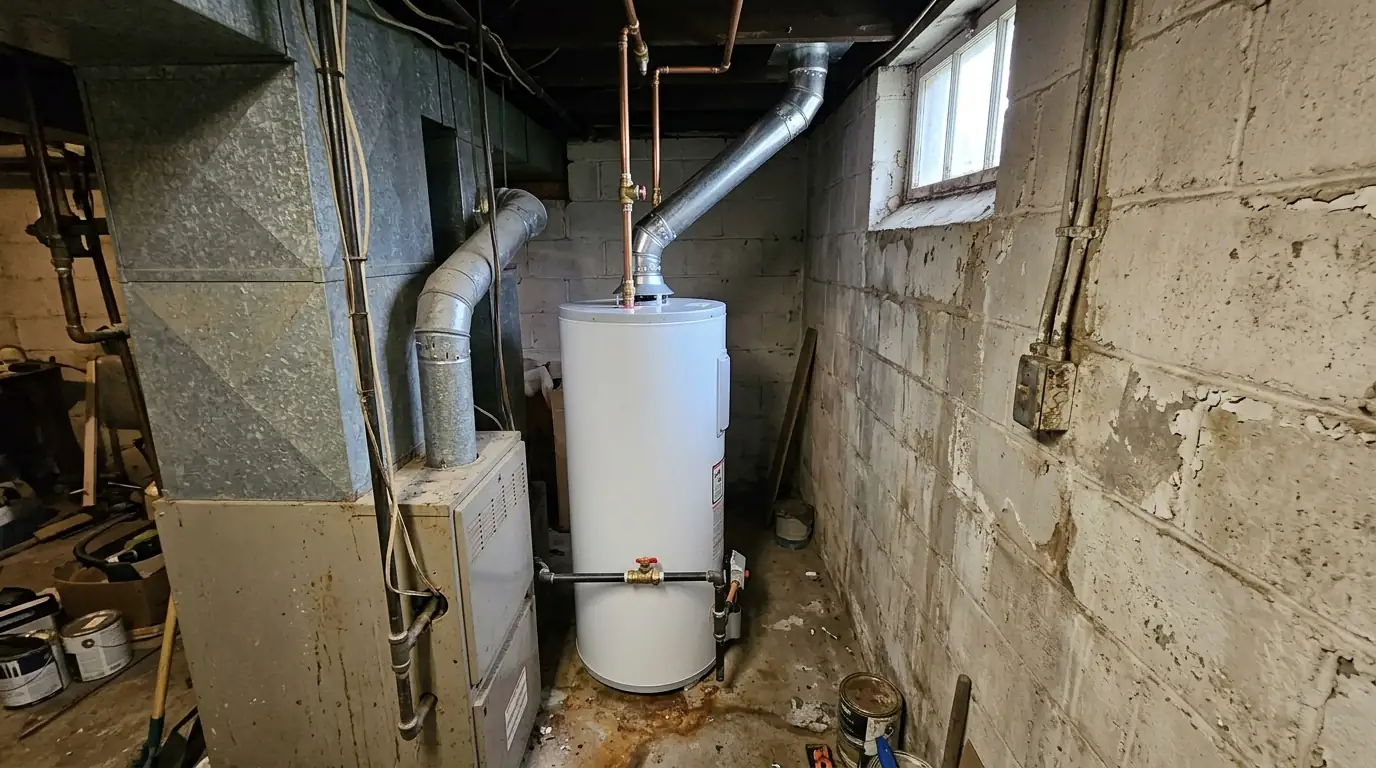
Many Keewaydin homes from the 1940s and 1950s put the furnace, water heater and laundry in a small utility room at the bottom of the stairs. The original tanks were smaller than what most families want now, and the space around them is tight. A new heater has to fit through the doorway, clear the furnace and meet today's venting rules.
That often means checking the chimney liner or vent connector, the gas line size and the clearance to combustible walls. Sometimes a slightly taller tank solves the space problem. In other homes, a tankless unit on the wall frees up floor space. PlumbTek pulls the permit the job needs and sets up the venting to pass inspection.

What cold winters and old pipes do to Keewaydin plumbing
In January, the water coming into a Keewaydin home is close to freezing, so the water heater works much harder to bring it up to temperature. An older tank with a layer of sediment on the bottom struggles even more. You notice it as shorter showers, rumbling sounds or a tank that takes forever to recover after laundry.
The drains in these homes are mostly original cast iron, and the supply lines are often early copper. Cast iron develops cracks and rust along the bottom of horizontal runs, while copper from that era can pinhole at elbows. Both show up as small leaks or stains in the basement, and both are easier to fix when caught early.
Keewaydin tips for tight utility rooms and older pipes
- Keep space clear around the heater. Don't stack boxes or laundry against the water heater or furnace. They need open air for combustion and room for a plumber to work.
- Know your tank age. The manufacture date is coded on the label. If your heater is past twelve or so years, start planning a replacement before it fails in midwinter.
- Watch for green spots on copper. Green or white crust on a copper fitting is a sign of a slow leak. Catching it early keeps a small repair from turning into a ceiling patch.
- Find the gas valve on the heater line. Locate the yellow-handled gas shut-off on the pipe feeding your water heater. If the tank leaks or smells of gas, knowing where it is saves time in a cramped room.