Plumbing in Seward, the short answer
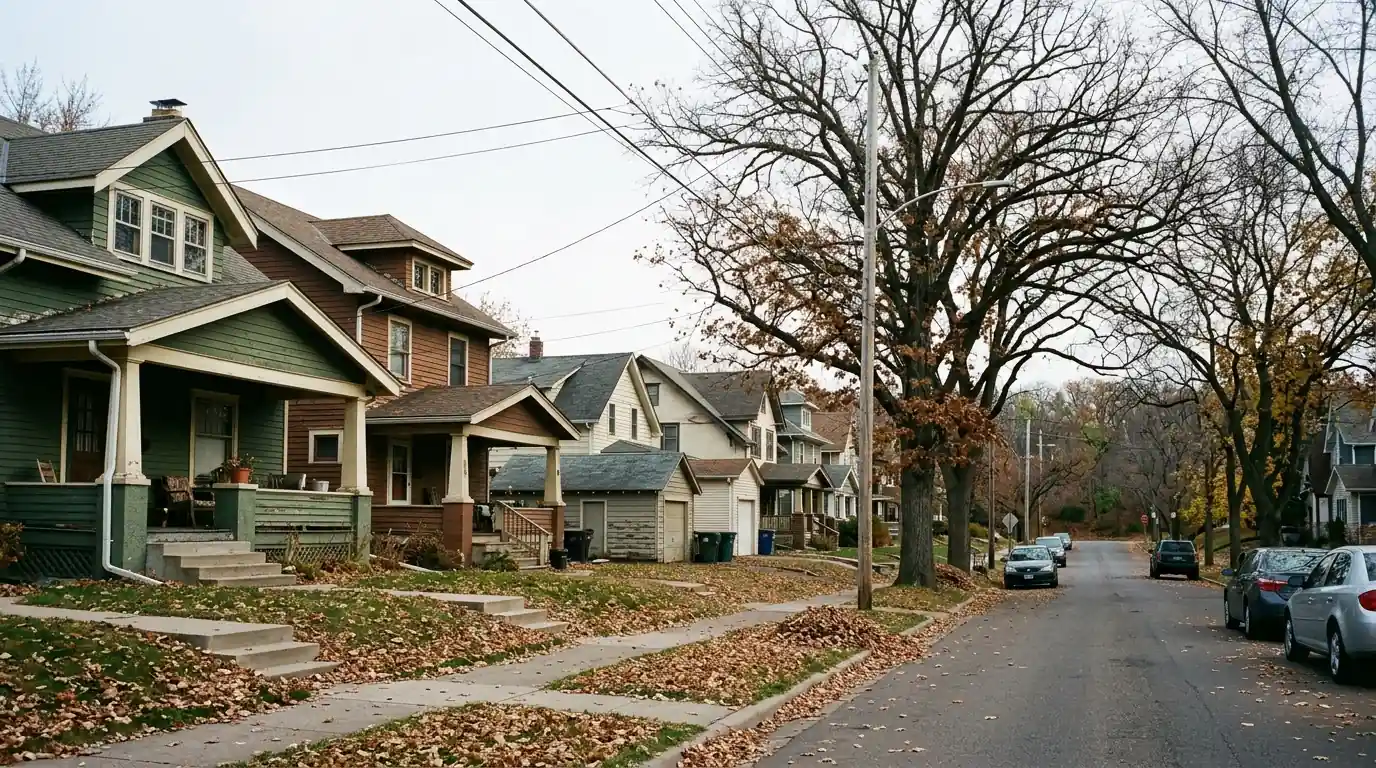
PlumbTek plumbs homes in Seward, ZIP 55406, including the 1880s to 1910s houses near Franklin Avenue and the Milwaukee Avenue historic district. Common jobs include repairing or replacing cast iron drain stacks, thawing and protecting pipes in crawl spaces, and working within low basements and historic walls. The cost is explained before work starts, and the phone is answered 24/7.
What a 130-year-old drain stack looks like in Seward
The main drain stack in an older Seward house is usually heavy cast iron, sometimes with lead bends at the toilets and older joints packed with oakum and lead. Over a long life, the iron rusts from the inside, and cracks open along the length of the pipe. You might see a rust streak on the basement wall, smell sewer gas, or find a wet spot on a ceiling below a bathroom.
Replacing a stack in a house this old takes care. Sections are supported before cutting, and new pipe is connected with transition couplings. In homes near Milwaukee Avenue, preserving original woodwork and plaster matters, so access is planned through closets or the basement where possible.
Why Seward crawl spaces freeze in January
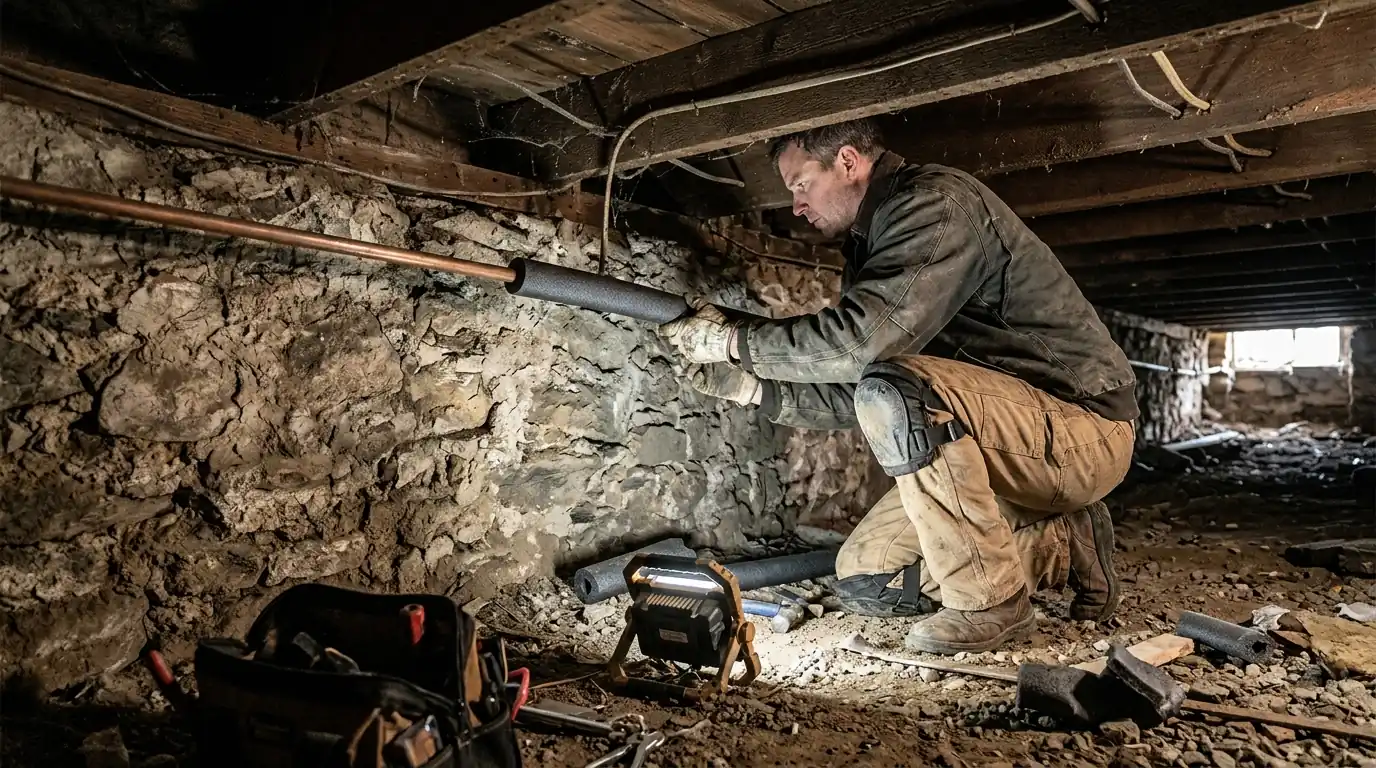
Many Seward houses have additions, back porches or kitchens sitting over shallow crawl spaces instead of full basements. Pipes running through those spaces are close to the outside air, and in a January cold snap they freeze. Low, rubble-stone foundations with gaps and drafty rim joists make the problem worse.
When PlumbTek thaws a frozen line in a crawl space, the next step is finding why it froze. Sealing drafts, insulating the pipe, rerouting it inside the heated envelope or adding heat cable all have a place. The goal is that you don't make the same call next winter.
Seward tips for very old houses
- Seal crawl space drafts in fall. Check the rim joist and foundation around crawl spaces for gaps before cold weather. Blocking drafts is one of the cheapest ways to protect pipes.
- Leave cabinet doors open on cold nights. For sinks on exterior walls, opening the cabinet doors lets room heat reach the pipes during a cold snap.
- Mention historic finishes up front. If your Seward home has original woodwork or plaster you want to protect, say so early. Access can be planned to avoid those areas.
- Know which rooms sit over the crawl space. Make a note of which sinks, toilets and radiators sit above the crawl space. Those fixtures are the first to lose water when a cold snap freezes the line below.