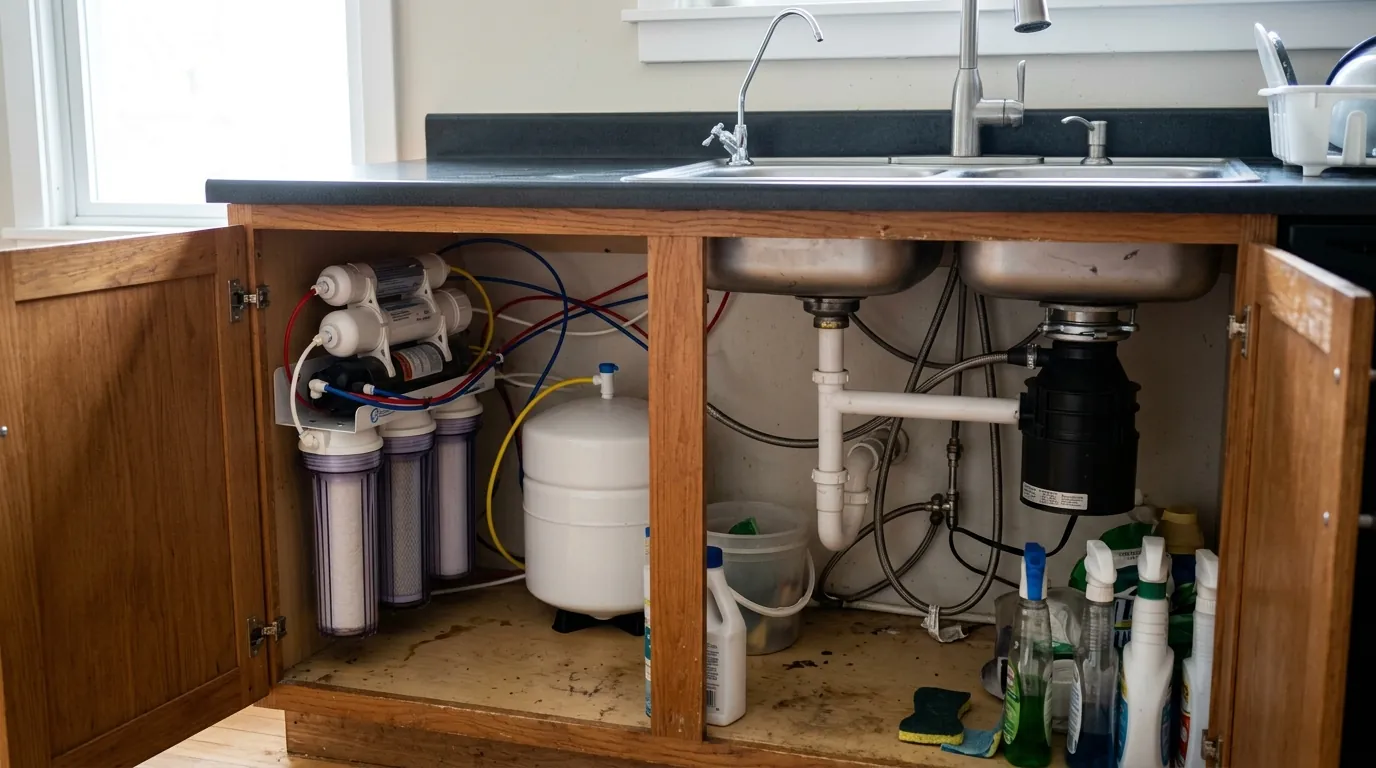
Water filtration systems in Minneapolis, the short answer
Water filtration systems for Minneapolis homes range from whole-house sediment and carbon filters to under-sink reverse osmosis and iron filters for private wells. You need one when water has an off taste or smell, carries sediment or iron, or when you want to reduce chlorine, lead risk or other specific contaminants at the tap.
Matching the filter to what is actually in your water
No single filter fixes everything. A sediment filter catches sand and grit. Activated carbon removes chlorine taste and odor and many organic compounds. Reverse osmosis pushes water through a membrane that removes dissolved solids, including many metals. Iron filters oxidize dissolved iron so it can be trapped and backwashed away.
So the first step is a water test. On city water we usually focus on taste, chlorine or chloramine, and older plumbing concerns. On private wells we look at iron, manganese, hardness, sulfur odor and sediment. PlumbTek explains what the test shows in plain language before recommending any equipment.
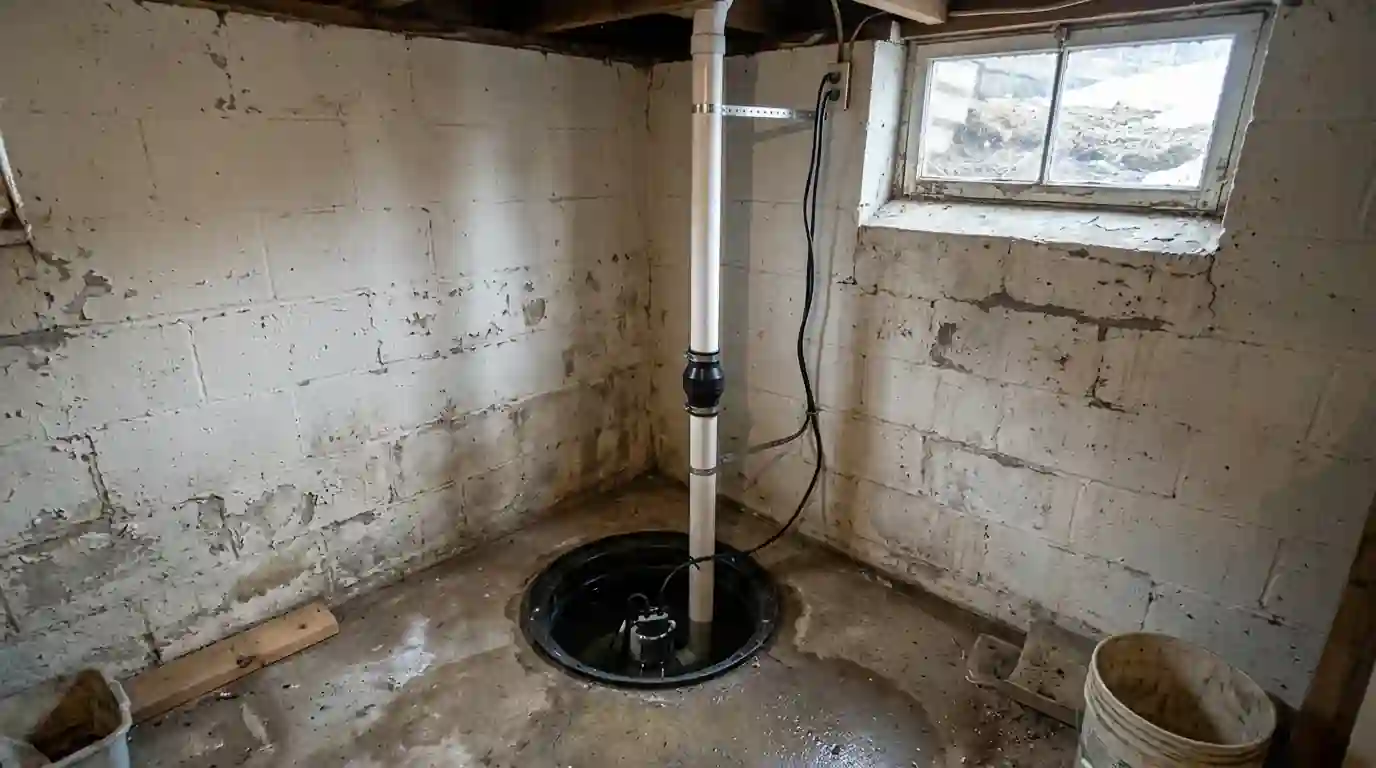
Whole-house filtration versus point-of-use at the kitchen tap
A whole-house filter treats all water entering the home, right after the meter or well pressure tank. It protects fixtures and appliances from sediment and iron and takes chlorine smell out of shower water. These filters need regular cartridge changes or backwashing, and they must be sized so they don't choke water pressure.
Point-of-use systems, like an under-sink reverse osmosis unit, treat only the water at one faucet. They're the right tool for drinking and cooking water when you want the highest level of filtration. Many homes combine the two: a whole-house sediment or carbon filter for general use, plus reverse osmosis at the kitchen sink.
Iron and sulfur filters for homes on private wells
Wells around Big Lake, Elk River, Monticello and the rest of Sherburne and Wright counties often carry dissolved iron that turns orange once it hits air. A softener can handle a little iron, but heavier iron needs a dedicated filter. Air injection and oxidizing media filters convert iron to particles, catch them, then backwash them to drain.
A rotten egg smell comes from hydrogen sulfide. If it's only in hot water, the water heater anode is usually involved. If it's in cold water too, an oxidizing filter or carbon setup sized for sulfur often solves it. Fixing iron and sulfur ahead of the softener helps the softener last longer as well.
Clues that your water needs filtering
These signs usually trace to a specific contaminant that a targeted filter can handle.
- Chlorine or chemical tasteCity water is disinfected, and some people notice the taste or smell. Carbon filtration takes care of it at one tap or the whole house.
- Rotten egg smell from cold tapsHydrogen sulfide in well water. Different from a hot-water-only smell, which points to the water heater anode.
- Orange stains on fixtures and laundryDissolved iron in well water oxidizes and stains. Heavy iron needs a dedicated iron filter rather than a softener alone.
- Grit in aerators and toilet tanksSand or sediment from a well, or scale flakes from old pipes. A sediment filter catches it before it reaches fixtures.
- Older home with possible lead pipingIf your house might have a lead service line or old solder, a filter rated for lead at the kitchen tap is a sensible step while you investigate.
Our approach to a filtration install
Start with a call
Phone (612) 254-6294 and describe the taste, smell or staining. Tell us if you're on city water or a private well.
Test the water
We test for the relevant contaminants on site and discuss whether a lab test is worth it for specific concerns.
Recommend a targeted system
You hear which filter type addresses your results, the installed price, and the ongoing cartridge or media costs.
Install and connect
Whole-house units go in after the meter or pressure tank with a bypass. Under-sink units get their own faucet and drain connection.
Flush and show upkeep
We flush new media, check for leaks, and show you how and when to change cartridges or check backwash settings.
2026 filtration system costs in the Twin Cities
Costs vary by system type and how much your water needs. Your price depends on what the plumber finds on site, and you hear it before any work starts.
| Job | Typical range | What moves the price |
|---|---|---|
| Under-sink reverse osmosis system | $587 to $1,143 | Faucet type, refrigerator line add-on and cabinet space |
| Whole-house sediment and carbon filter | $687 to $1,394 | Housing size, flow rate and bypass setup |
| Backwashing iron filter for well water | $2,186 to $3,947 | Iron level, tank size and drain access |
| UV disinfection unit for a private well | $1,264 to $2,138 | Pre-filtration needed and electrical connection |
What changes the number
- High iron, manganese or sulfur levels require larger or specialized filter media.
- Adding a refrigerator or ice maker line to a reverse osmosis system increases cost slightly.
- Backwashing filters need a drain connection and an outlet nearby.
- Replacement cartridges and membranes are an ongoing cost to plan for.
- Pairing filtration with a softener may change the overall equipment layout.
Ranges reflect typical Twin Cities jobs in 2026. Your price is explained before work starts. Compare other jobs in the PlumbTek price guide.
Keeping a filtration system working well
- Change cartridges on schedule. A clogged sediment cartridge drops house pressure. An exhausted carbon cartridge stops removing taste and odor. Mark change dates on the housing.
- Replace reverse osmosis membranes. Membranes slowly lose effectiveness. Follow the maker interval, and sooner on harder water.
- Retest well water periodically. Well water can change over time. A periodic test confirms your filter still matches what comes out of the ground.
- Watch backwash settings. Iron filters that backwash too rarely can foul. If staining returns, the timing may need adjustment.
What Twin Cities homeowners usually filter for
In Minneapolis and Saint Paul, filtration requests are mostly about taste and older plumbing. City water is treated and safe, but some people dislike the disinfectant taste, and homes built before 1950 may still have a lead service line. Both cities run lead service line replacement programs, and a lead-rated filter at the kitchen tap is a good stopgap while you check your address.
Out on private wells, iron, sulfur and sediment lead the list. Homes around Big Lake, Elk River and parts of Minnetonka often deal with orange staining and smells. PlumbTek works through those areas from the Big Lake office, and we usually size an iron filter and softener together so the two work as one system.