Pipe freeze protection in Minneapolis, the short answer
Pipe freeze protection in Minneapolis is work done before winter to keep water pipes above freezing: moving lines away from exterior walls, insulating and sealing cold spots, adding heat cable, or fitting frost-free sillcocks. You need it if a pipe has frozen before, if you're adding a room over a garage or porch, or if a property will sit empty through the cold months.
Finding the cold spots before January does
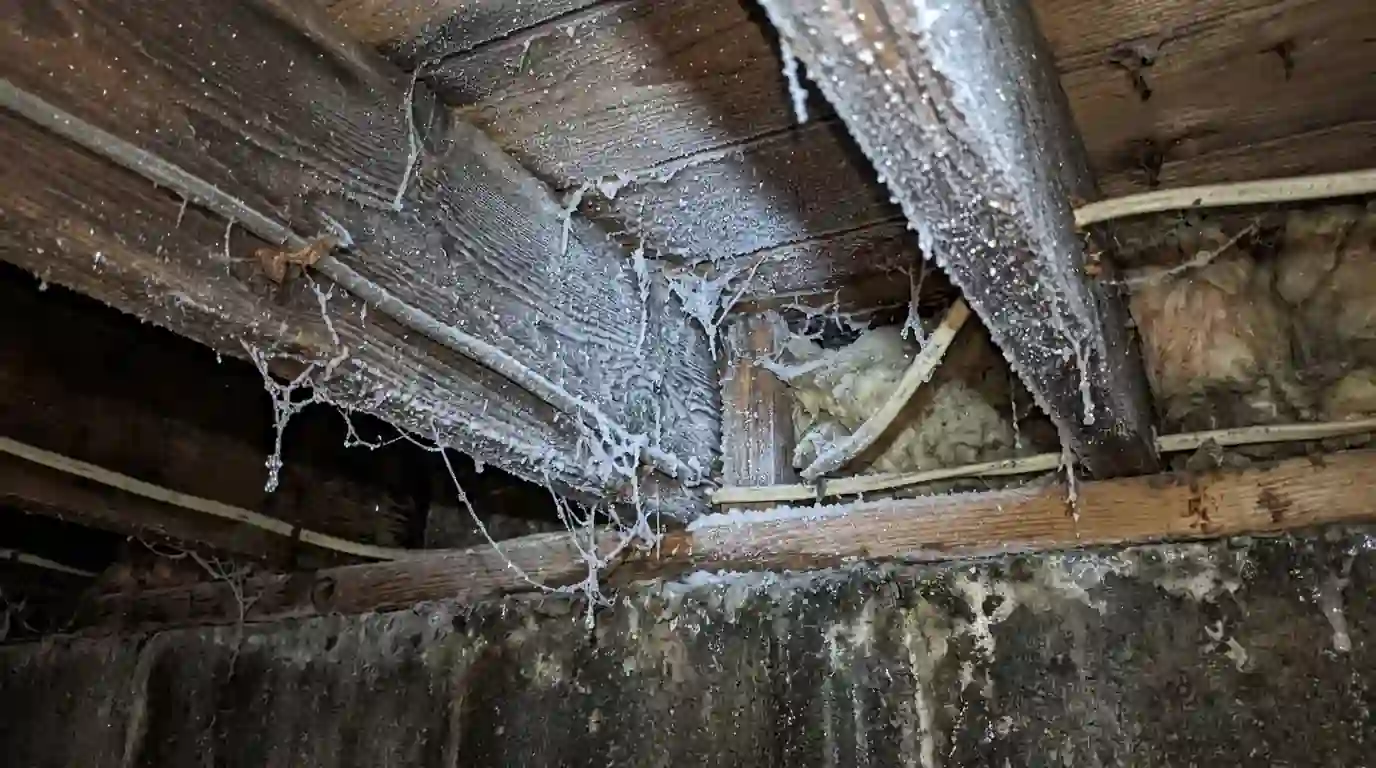
A freeze protection visit starts with a walk along every supply line, from the meter to the farthest fixture. The plumber looks for pipes within a few inches of an exterior wall, lines running through garages, crawl spaces and porch floors, and any spot where daylight or a draft shows at the rim joist. An infrared thermometer on a cold day makes the weak spots obvious.
Past freeze history matters most. If a line froze once, it froze for a reason, and that reason is still there. Tell the plumber which faucet went dry and when. Together with the pipe layout, that usually points straight at the cold pocket that needs attention.
Rerouting, insulation and heat cable: which one fits
Moving the pipe is the most permanent fix. Bringing a kitchen line up through an interior wall instead of the outside one, or dropping a garage-ceiling run below the heated floor, takes the pipe out of the cold for good. It costs more upfront but needs nothing afterward.
When rerouting isn't practical, insulation and air sealing come next. Foam the rim joist gaps, then put insulation between the pipe and the cold side, not wrapped around a pipe that's already cold. Self-regulating heat cable, plugged into a GFCI outlet and covered with insulation, protects runs in crawl spaces and well pits where nothing else will do.
Protecting a house that will sit empty through winter
Snowbirds and owners of vacant rentals have two choices: keep the heat on and watch the house, or winterize the plumbing. A heated empty house still needs someone checking it, and a remote temperature sensor or a leak alarm at the water heater is worth having. A furnace that quits on a Friday can freeze the whole house by Monday.
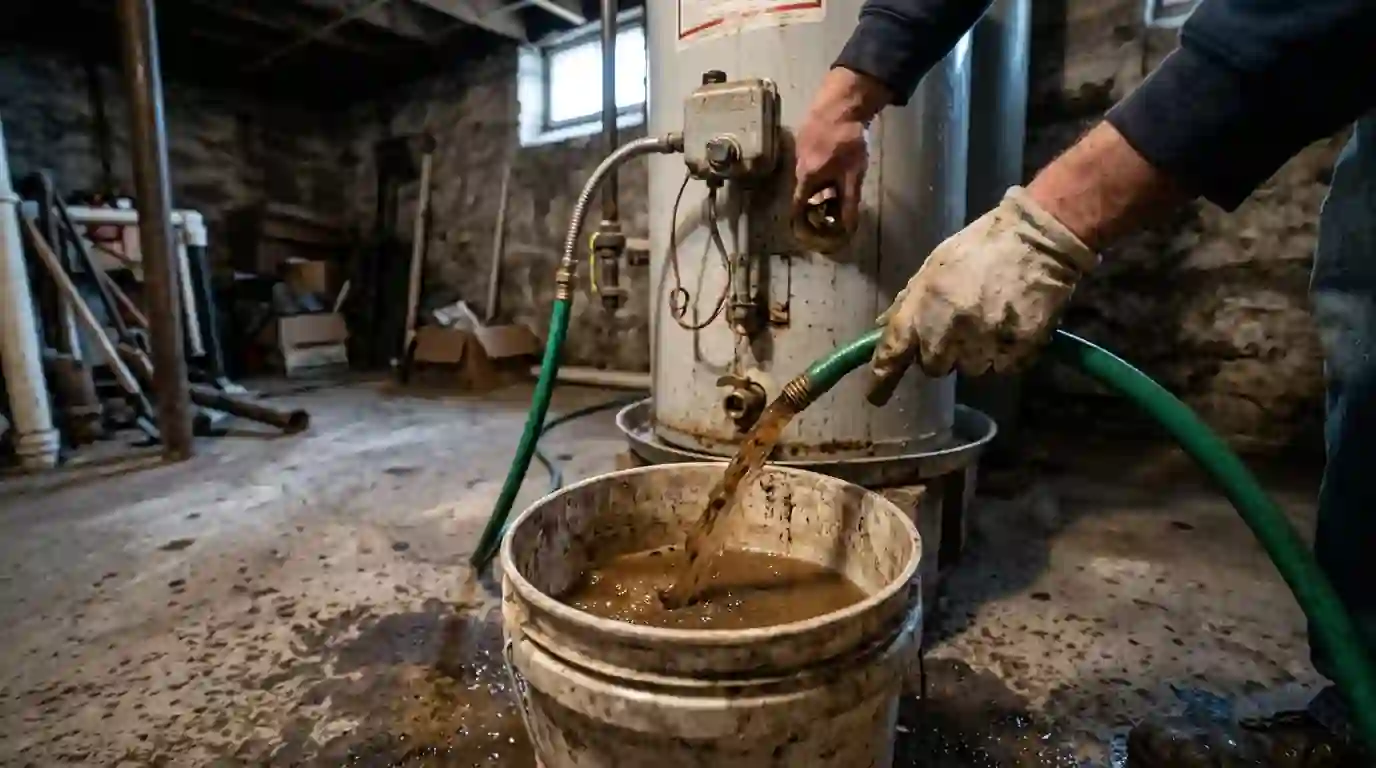
Full winterization means shutting the main, draining every line from the high point down, blowing water out with compressed air, draining the water heater, and putting nontoxic antifreeze in traps and toilets. When PlumbTek winterizes a home, the plumber tags the main valve and leaves a written list of what was done, so the spring start-up goes back in the right order.
Signs your house needs freeze protection this fall
Any one of these makes a frozen pipe more likely in the next cold snap.
- A pipe froze last winterUnless something changed, the same run sits in the same cold air this year. Repeat freezes in one wall are very common.
- Plumbing on an outside wallKitchen sinks under windows and laundry hookups on exterior walls run their pipes through the coldest framing in the house.
- Bathroom over a garage or porchRooms built over unheated space have supply lines in floor joists exposed to outside temperatures on the underside.
- Drafts at the rim joistFeel cold air or see daylight where the basement wall meets the floor framing above, and pipes there are at risk.
- Old outdoor faucetsA standard hose bib keeps its valve at the outside wall. Without an inside shut-off, it freezes every year.
- Home vacant for weeksAn empty house has no one to notice a failed furnace, a tripped breaker, or a frozen line before it bursts.
What a freeze protection visit includes
Walk every supply run
The plumber traces lines from the meter outward, notes every pipe near cold air, and asks which fixtures have frozen before.
Measure the cold
On cold days, an infrared thermometer checks pipe and wall temperatures, showing which spots fall closest to freezing.
Lay out the options
For each weak spot you hear the choices, from reroute to insulation to heat cable, with the price of each explained first.
Do the work
Pipes get moved, sealed, insulated or traced. Outdoor faucets can be swapped for frost-free models with an inside shut-off.
Leave a winter plan
You get a short list of what was protected, where the shut-offs are, and what to watch for during deep cold.
What freeze protection work costs in the Twin Cities
Most homes need only one or two targeted fixes, not a whole-house project. The real price comes from seeing the job in person, and the plumber explains it before starting.
| Job | Typical range | What moves the price |
|---|---|---|
| Insulate and air-seal exposed basement runs | $238 to $547 | Length of pipe and number of rim joist bays to seal |
| Self-regulating heat cable on one run | $327 to $694 | Cable length, outlet location, and access to the run |
| Reroute a line off an exterior wall | $582 to $1,437 | Wall finish, distance moved, and cabinet removal |
| Full winterization of a vacant home | $273 to $516 | Number of fixtures, water heater type, and house size |
What changes the number
- Open basement ceilings make insulation and heat cable quick; finished ceilings add access and patch work.
- Rerouting costs more upfront but is the only fix that needs nothing afterward.
- Heat cable needs a nearby GFCI outlet, so an electrician may be needed if none exists.
- Winterizing a home with a boiler or radiant heat takes extra steps for the heating loop.
- Swapping a standard hose bib for a frost-free sillcock is priced per faucet.
Ranges reflect typical Twin Cities jobs in 2026. Your price is explained before work starts. Compare other jobs in the PlumbTek price guide.
Your fall freeze-prep checklist
Run through these before the first hard freeze, usually by late October.
- Disconnect every garden hose from outdoor faucets
- Close the inside shut-off for any non-frost-free hose bib and open the outside spigot
- Seal gaps where pipes or wires pass through the rim joist
- Fix cracked or broken basement window panes
- Find and test the main shut-off valve so it turns freely
- Check that crawl space vents are closed for winter
- Test any existing heat cable by plugging it in on a cold day
- Put a leak alarm under the water heater and kitchen sink
Freeze risks in Minneapolis homes, old and new
Older homes in Seward, Bryn Mawr and the Saint Paul Midway were built with balloon framing, which leaves open channels from basement to attic inside exterior walls. Cold air falls through those channels and onto pipes. Sealing the top and bottom of the channel near the pipe often helps more than adding insulation.
Newer homes in Plymouth, Eden Prairie and Woodbury are better sealed, but builders still run pipes in garage walls and bonus-room floors. Lake cabins and second homes up toward Big Lake and Elk River often sit empty midweek, so they benefit most from heat cable in crawl spaces and a winterization plan.