Plumbing in Waite Park, the short answer
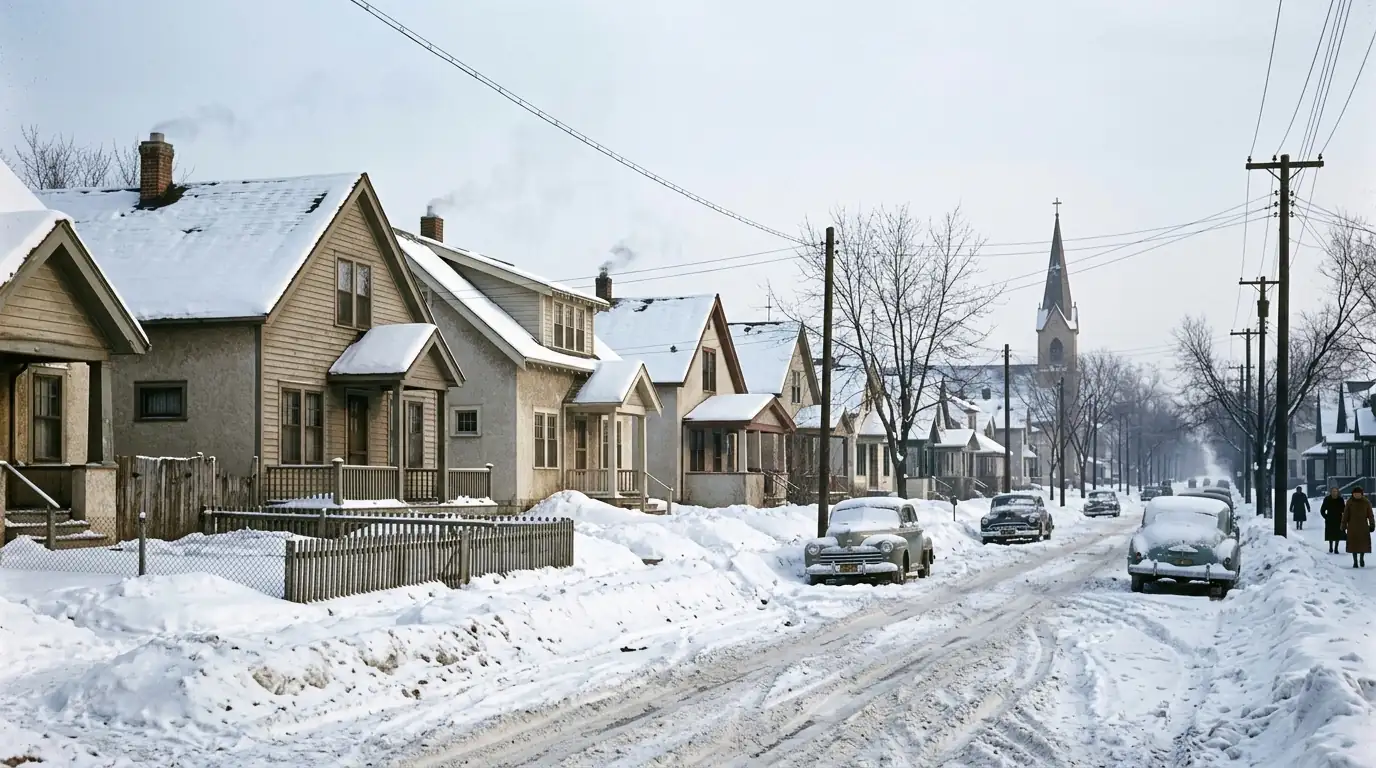
PlumbTek plumbs homes in Waite Park, ZIP 55418, the post-war rambler neighborhood near St. Anthony Parkway in far Northeast Minneapolis. Common work includes replacing failing cast iron drain lines, swapping water heaters in their original basement locations, clearing slow drains, and updating venting and gas connections. Costs are explained before work starts, and the phone is answered 24/7.
How cast iron drains in Waite Park reach their age limit
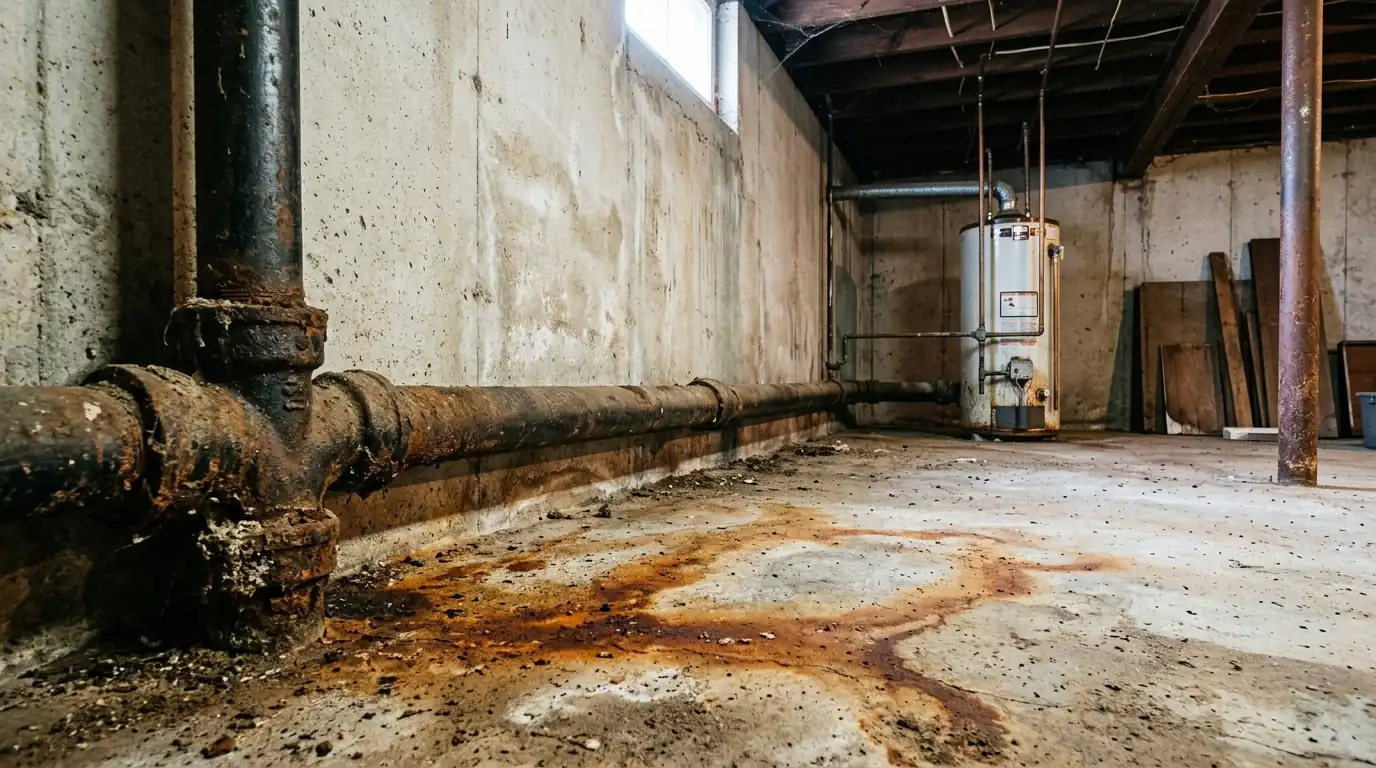
The drains under a Waite Park rambler were usually cast iron, running from the stack across the basement and out through the foundation. After seventy years or so, the pipe wall thins from inside, especially along the bottom where water always flows. Scale builds up and narrows the pipe, while rust works through in spots you can't see.
Common signs are a rusty stain on the floor beneath a drain line, a crack you can spot along the side of the pipe, slow drains that come back soon after cleaning, or a sewer smell near the stack. In homes where the main drain runs under the slab, a camera inspection is how you find out what's going on. Replacing a run in plastic usually means cutting the old iron into pieces and supporting the stack while the new pipe goes in.
What to expect when replacing a Waite Park water heater
Most ramblers here still have the water heater in the same corner it was placed in when the house was built, often near the furnace and chimney. That spot was planned for the smaller tank and the venting of the 1950s. Today's heaters can be larger, and the venting rules are stricter.
When PlumbTek replaces a water heater in Waite Park, the chimney or vent connector, gas line, expansion tank needs and the drain pan location all get checked. If the old flue is shared with the furnace and that furnace has been upgraded, venting may need changes. The permit is pulled and the work is set up to pass inspection.
Tips for keeping a Waite Park rambler in shape
- Plan the heater before it fails. If your water heater is past about twelve years, start planning. Replacing it on your schedule avoids a cold shower in February.
- Check for rust under drain lines. Look along the floor under horizontal cast iron drains. Rust stains or crusty spots mean the pipe is leaking slowly and needs attention.
- Don't use harsh chemical drain openers. Caustic drain cleaners can eat into old cast iron that's already thin. A mechanical cleaning is gentler on the pipe.
- Keep the furnace and heater area clear. Both appliances need combustion air. Stored items crowded around them can starve the flame and create a safety issue.