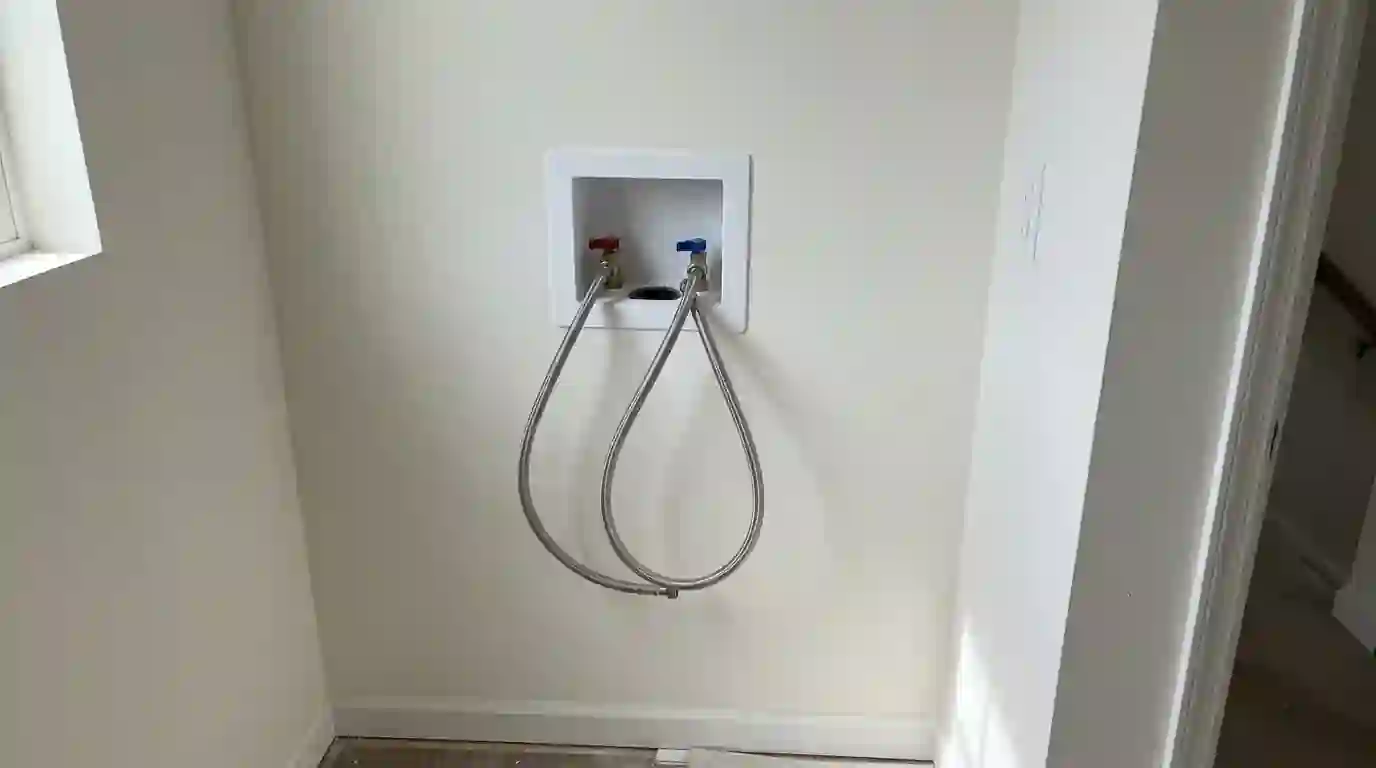
Laundry room plumbing in Minneapolis, the short answer
Laundry room plumbing in Minneapolis covers the washer supply valves, washer box, standpipe and trap, laundry sink, and the drain line that carries discharge away. You need it when a washer drain overflows, supply hoses or valves leak, a laundry sink is added, or laundry moves from the basement to a main or upper floor. The plumber sizes the drain to suit a modern washer's pump.
Why the washer drain overflows on the spin cycle
Modern washers pump water out fast, and many old basement setups weren't built for it. The drain hose often hangs into an old laundry tub or a short standpipe that drains into a narrow or partly clogged line. When the pump kicks on, the water rises faster than it drains, and it spills over the top.
The fix depends on the cause. A standpipe that's too short or too narrow gets replaced with a properly sized one and trap. A line clogged with lint gets cleaned, and sometimes a lint trap is added to the hose. In older houses where the washer drains to a floor drain, plumbing a real standpipe is often the cleaner long-term answer.
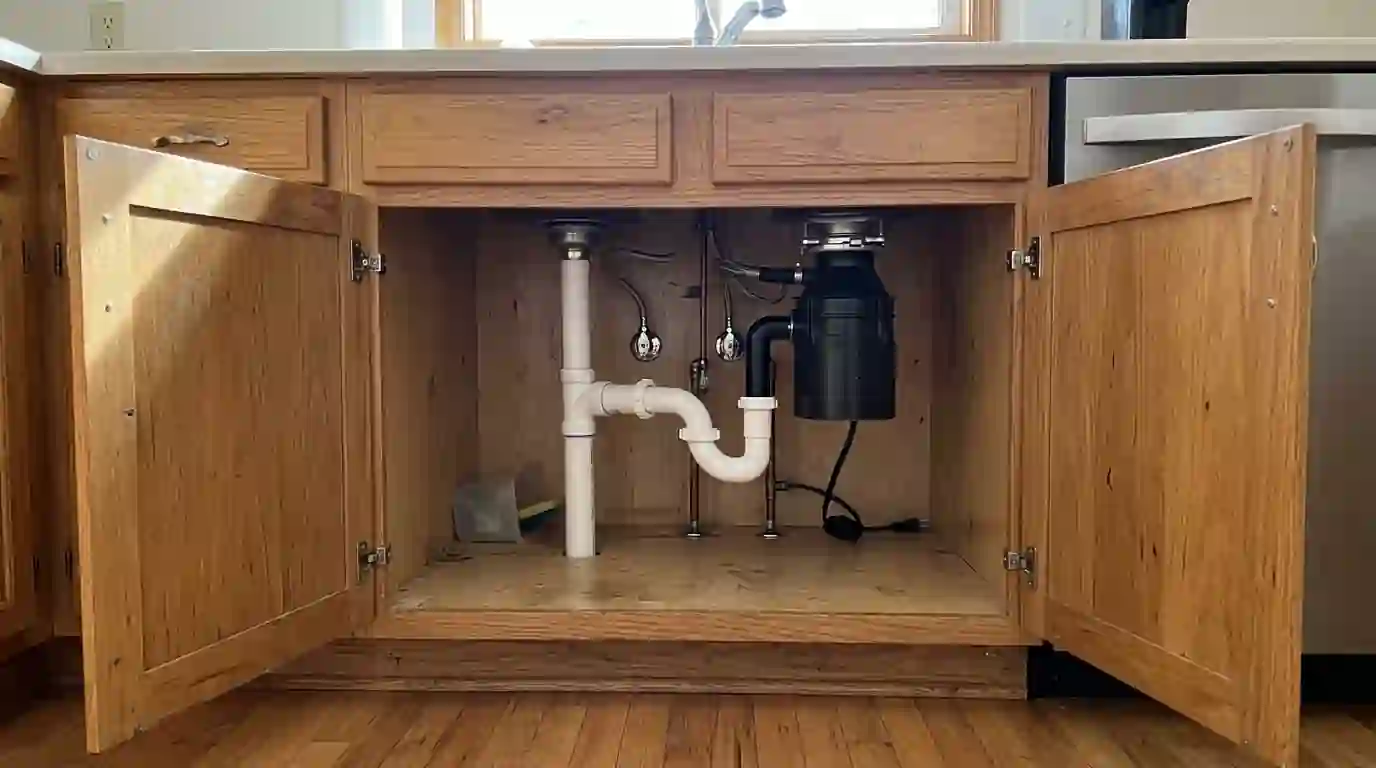
Washer boxes, valves and the hoses behind your machine
A washer box is a recessed wall box that holds the hot and cold valves and the drain opening in one tidy spot. It keeps the hoses from kinking and makes it easy to shut off water when you leave for a trip. Older setups often have two separate hose bibs on exposed pipe that are hard to reach and prone to seizing.
Rubber washer hoses are a quiet risk. They bulge and burst with age, sometimes while no one is home. Braided stainless hoses last longer, and a single-lever valve lets you shut off both at once. When a washer box is installed, it's a good time to add a water hammer arrestor to quiet the bang when the fill valves snap closed.
Moving laundry out of the basement
Many homeowners want laundry closer to the bedrooms. Moving a washer to the main floor or upstairs means running hot and cold supply lines, a drain and vent, and placing the washer over a drain pan with its own drain line. Dryers need a vent route outdoors, and a gas dryer also needs a gas line.
In older homes, the drain for an upstairs laundry usually ties into the existing cast iron stack, so placing the laundry near a bathroom keeps runs short. PlumbTek checks the floor framing too, since a full washer is heavy and spins hard. Getting the layout right before carpenters close walls makes the rest of the project smoother.
Signs your laundry plumbing needs attention
Most laundry room leaks build slowly, and these are the early warnings.
- Water on the floor after spinOverflow at the standpipe or tub during the drain cycle points to an undersized or clogged laundry drain.
- Bulging or cracked hosesRubber supply hoses that bulge near the ends or show cracks are close to bursting and should be replaced.
- Banging pipes when the washer fillsWater hammer from fast-closing washer valves shakes pipes and loosens joints over time.
- Valves won't turnWasher valves that haven't moved in years seize up, so you can't shut off water when a hose fails.
- Sewer smell near the washerA dry trap or a standpipe with no trap lets sewer gas into the laundry area.
- Laundry tub drains slowlyLint, soap and sediment build up in the tub trap and line, slowing drainage and causing overflow.
How a laundry plumbing job goes
Check the setup
The plumber looks at the washer valves, hoses, standpipe, trap and drain line, and runs a drain cycle to see where water backs up.
Explain the options
You hear whether cleaning, a new standpipe, a washer box or a laundry relocation fits best, with prices before work starts.
Install new parts
A washer box or new valves, a correctly sized standpipe and trap, and any hammer arrestors are installed and secured.
Tie into drain and vent
The new drain connects to the stack or branch with a proper vent, and any laundry sink is set and plumbed.
Run a full cycle
The washer runs a full fill and drain while the plumber checks for overflow, leaks and smooth drainage.
Laundry plumbing costs in Minneapolis
These are typical 2026 ranges for Minneapolis and the suburbs. Your actual price depends on the room layout and pipe, and it's explained before work starts.
| Job | Typical range | What moves the price |
|---|---|---|
| New washer valves and braided hoses | $163 to $312 | Seized old valves take longer to remove |
| Washer box with standpipe and trap | $438 to $867 | Wall access and drain location drive cost |
| Laundry sink installed and plumbed | $412 to $863 | Pumped drains or new supply lines add cost |
| Laundry moved to main or upper floor | $2,187 to $4,613 | Drain path, venting and gas line matter |
What changes the number
- Undersized or galvanized laundry drains often need replacing back to the stack.
- A gas dryer in the new location adds a gas line, which needs a permit.
- Upper-floor laundry needs a drain pan and its own drain line under the washer.
- Basement laundry below the sewer line may need a laundry pump.
- Water hammer arrestors and a single-lever shut-off add a little to parts cost.
Ranges reflect typical Twin Cities jobs in 2026. Your price is explained before work starts. Compare other jobs in the PlumbTek price guide.
Laundry room checklist for leak prevention
A few minutes on these each year can prevent a flooded laundry room.
- Replace rubber washer hoses with braided stainless ones.
- Turn washer valves off and back on to keep them from seizing.
- Leave a few inches between the washer and wall so hoses don't kink.
- Clean the lint filter or trap on the washer drain hose.
- Check the laundry tub trap and drain for lint and sediment buildup.
- Put a drain pan under any washer above a finished floor.
- Shut off the washer valves before leaving home for a long trip.
Laundry setups in older Minneapolis basements
In older Minneapolis homes from Corcoran to Audubon Park, the washer often sits in an unfinished basement corner, draining into a concrete laundry tub or straight onto the floor drain. Those setups were fine for older machines, but a modern washer pumps fast enough to overflow them. Lint also collects in the floor drain and the line beyond it.
Moving laundry upstairs is especially popular in Twin Cities homes where basement stairs are steep and narrow. Many 1920s homes have a second floor bathroom or a large closet near the stack, which makes a good spot for a stacked washer and dryer. Newer homes in Maple Grove and Woodbury often already have main-floor laundry.