Plumbing in St. Louis Park, the short answer
PlumbTek plumbs homes in St. Louis Park, MN 55416, where most houses date from the 1940s and 1950s and sit close to Minnehaha Creek and the Excelsior and Grand area. Typical work includes cast iron drain repair, root and crack repair on clay sewer laterals, updating small basement bathrooms and replacing tired water heaters. Give us a call any time, day or night, and the price comes first.
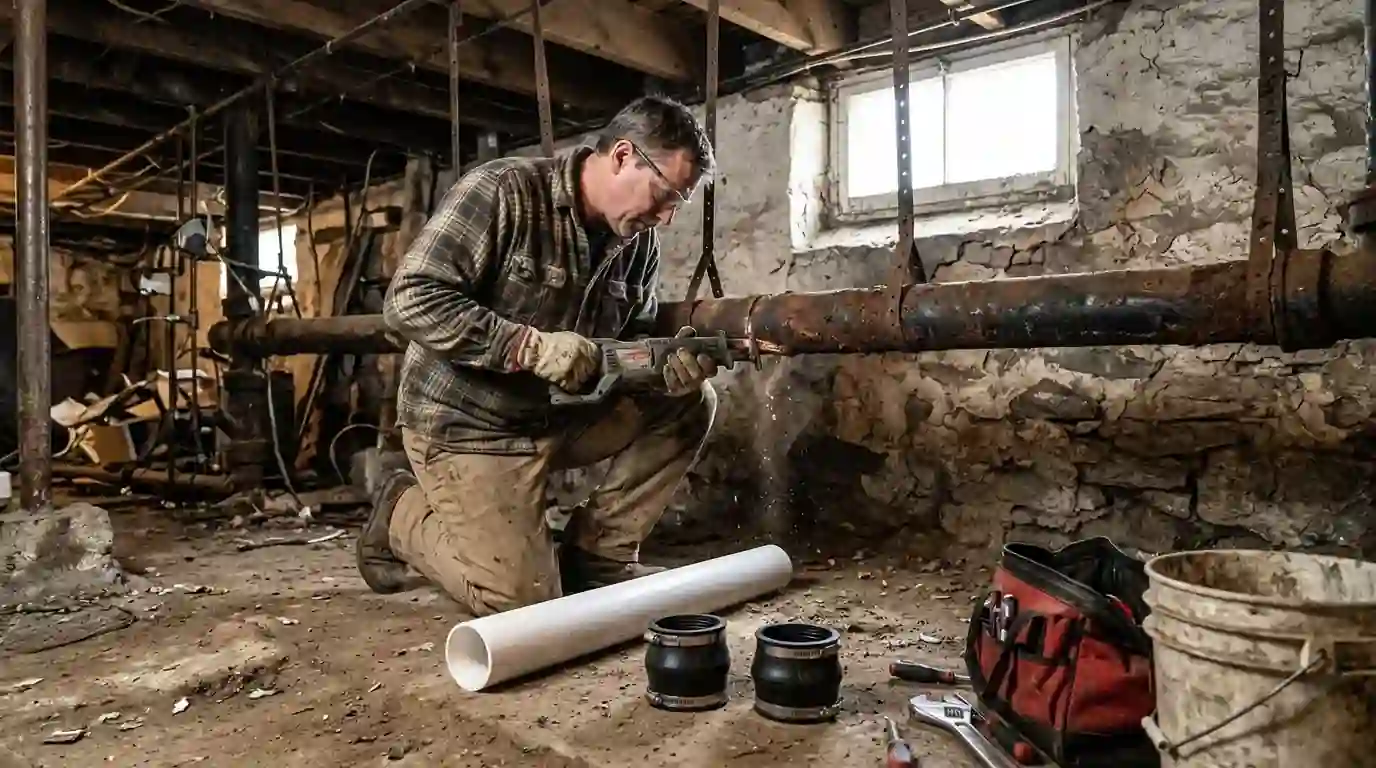
Cast iron that has carried waste since the Truman years
The story-and-a-half houses and small ramblers that fill St. Louis Park were built fast after the war, nearly all with cast iron stacks and horizontal drains. Seventy-plus years in, the bottom of those horizontal runs has often thinned or split lengthwise from steady flow and corrosion.
You might see a rust-colored stain on the basement floor, catch a sewer smell in the laundry corner or notice drains that slow down for no clear reason. A camera through the cleanout shows the inside wall of the pipe. Often only one stretch is bad, and it can be cut out and replaced with PVC using shielded couplings.
Clay laterals near the creek and under old trees
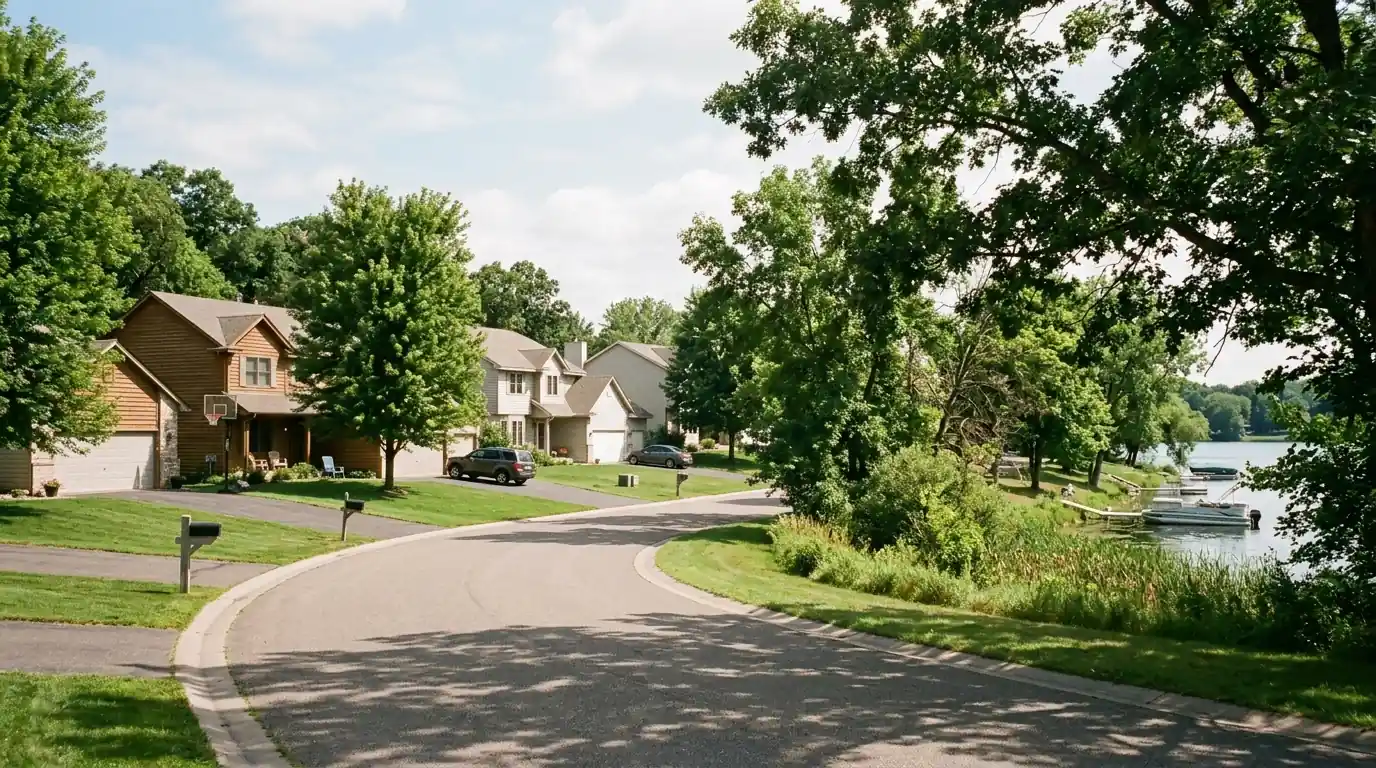
Outside the foundation, most St. Louis Park homes connect to the city main through clay tile laterals. Neighborhoods close to Minnehaha Creek and blocks lined with mature boulevard trees see more root intrusion, since roots chase the moisture that seeps from every joint.
Because the homeowner maintains the lateral all the way to the main, it's worth knowing its condition before trouble starts. When PlumbTek runs a camera through a lateral here, the plumber notes the distance to each root entry or crack, which tells you whether a spot repair, a liner or a full replacement is the right call.
Small bathrooms with big expectations
Original bathrooms in these homes are compact, and many basements got a toilet and shower added decades later in a corner near the stack. Owners updating them run into narrow walls, old drain locations and shower valves that predate pressure balancing.
Moving a toilet a few inches or adding a proper vent can make a modest bath work much better. Doing that while the floor is open beats patching the old layout, and PlumbTek pulls the permits the job needs. Replacing the old cast iron stub under the toilet at the same time is usually a smart move.
St. Louis Park homeowner pointers
- Find the main cleanout. Locate the cleanout plug on the cast iron near where the drain leaves the house. Clear access saves time and money when a backup happens.
- Treat rust stains as a signal. Orange streaks or crust on horizontal cast iron mean the pipe is weeping. Have it checked before the stain turns into a puddle.
- Ask about the lateral before remodeling. If you're redoing a basement or bath, have the sewer lateral camera inspected first. Fixing it after new floors go down costs more.