Sump pump repair in Minneapolis, the short answer
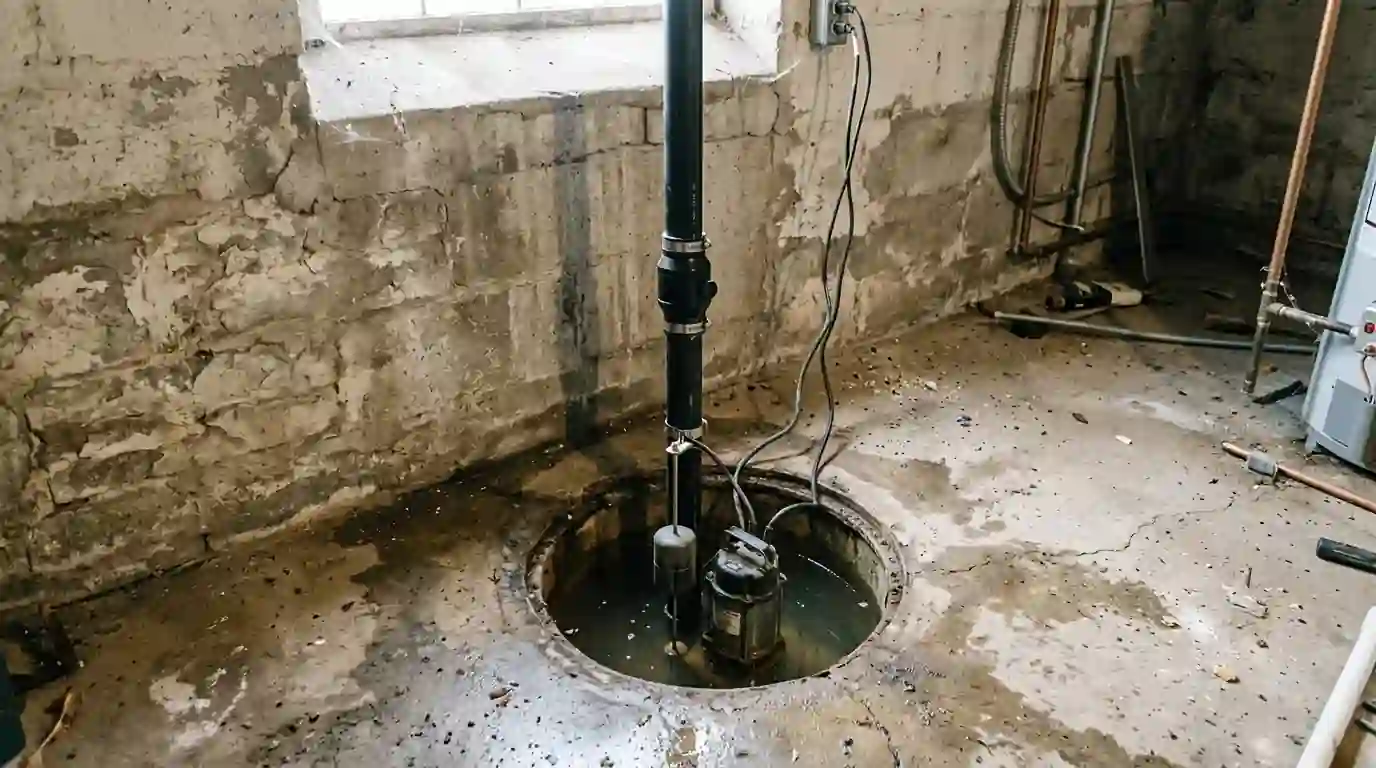
Sump pump repair in Minneapolis homes fixes pumps that won't start, run constantly, cycle too often, or leave water in the pit. Common fixes include freeing or replacing a stuck float switch, replacing a failed check valve, clearing a clogged intake screen or impeller, and thawing or rerouting a frozen discharge line.
When the pump hums but water keeps rising
A humming pump that doesn't move water usually has a jammed impeller or a stuck check valve. Gravel, silt or debris pulled from the pit can lodge in the impeller and stop it from turning. If the check valve on the discharge pipe sticks closed, the pump pushes against a wall and moves nothing.
A seized motor is another possibility, especially on pumps that sat idle all winter and then get called on during the spring thaw. The plumber unplugs the pump, lifts it, clears the intake and impeller, and tests the check valve. If the motor draws power but won't spin freely, replacement is usually the better choice.
Float switch failures, the most common sump problem
The float switch tells the pump when to start and stop. Tethered floats swing on a cord and can catch on the pit wall or the discharge pipe. Vertical floats ride up a rod and can stick from silt or mineral buildup. Either way, a stuck float leaves the pump off while water rises, or on while the pit is empty.
Electronic switches with no moving float exist too, and they fail differently, usually from corroded sensors or a failed controller. In pits that are small or crowded, a float can rub against the side and wear out early. We test the switch through a full cycle and replace it if it doesn't trip reliably.
Frozen discharge lines and the short cycling problem
In Minnesota the discharge line outside can freeze solid in a January cold snap, especially where it runs along the surface or ends in a low spot. The pump keeps running with nowhere to send water, overheats, and fails. A freeze-relief fitting near the house lets water escape if the line downstream is blocked.
Short cycling, where the pump starts and stops every few minutes, often means the check valve is letting water fall back into the pit, or the float is set with too narrow a range. Both shorten motor life. PlumbTek checks the check valve, adjusts or replaces the float, and looks at the discharge route before calling the job finished.
Sump pump problems you shouldn't ignore
These usually mean the pump will fail soon, often right when you need it most.
- Pump hums without pumpingA jammed impeller, failed check valve, or seized motor. Unplug it and call before the pit overflows.
- Runs constantly with dry weatherA stuck float switch or a high water table. Constant running burns out the motor quickly.
- Starts and stops every few minutesShort cycling from a leaking check valve or poorly set float. Wears the motor and wastes power.
- Loud rattling or grindingA damaged impeller, worn bearings, or debris in the pump housing. Often a sign the pump is near the end.
- Water backing up from the dischargeA frozen or crushed discharge line outside. The pump can't send water anywhere and may overheat.
- Visible rust or corrosion on the pumpOlder pumps corrode in the damp pit, especially where switches and cord connections meet the housing.
How a sump pump repair visit works
Call with the situation
Call (612) 254-6294 and tell us if water is rising now. Active flooding calls are prioritized, and we'll tell you how to keep water down meanwhile.
Check power and switch
We confirm the outlet and GFCI have power, then lift the float to test whether the pump responds.
Pull and inspect the pump
The pump comes out of the pit for a look at the intake screen, impeller, motor and cord.
Test the discharge path
The check valve and discharge line are tested, including the outdoor section, for blockages or freezing.
Repair or replace and test
Failed parts are replaced, or the pump is swapped if it's not worth repairing, then we fill the pit to confirm a full cycle.
Sump pump repair costs in the metro for 2026
Most repairs are modest unless the pump itself needs replacing. The age of your plumbing and how easy it is to reach set the final number, and nothing starts until you agree to it.
| Job | Typical range | What moves the price |
|---|---|---|
| Float switch replacement | $163 to $289 | Switch type and whether pit access is tight |
| Check valve replacement | $147 to $263 | Pipe size and fitting condition |
| Pump replacement in an existing pit | $443 to $868 | Pump horsepower, housing material and switch style |
| Discharge line thawing or rerouting | $237 to $694 | Freeze depth, line length and outside grading |
What changes the number
- After-hours visits during storms or spring thaw may cost more than weekday calls.
- Pumps in tight or shallow pits may need a smaller model or pit changes.
- Cast iron pumps cost more than thermoplastic but tend to last longer.
- Outdoor discharge work in frozen ground is slower and costs more.
- Adding a battery backup during the repair changes the total price.
Ranges reflect typical Twin Cities jobs in 2026. Your price is explained before work starts. Compare other jobs in the PlumbTek price guide.
What to check if your sump pump stops
These quick checks can buy time or solve a simple problem.
- Check that the pump is plugged in and the GFCI outlet hasn't tripped.
- Look at the breaker panel for a tripped circuit.
- Lift the float gently to see if the pump starts.
- Look for debris or a fallen object blocking the float.
- Check outside where the discharge line ends for ice or a crushed pipe.
- If the pit is about to overflow, unplug the pump before reaching into the water.
- Move valuables off the basement floor while you wait.
Why Twin Cities sump pumps fail when they do
Sump pumps in Minneapolis and the suburbs work hardest twice a year. Spring thaw sends snowmelt into the soil around the foundation, and heavy summer storms add a second surge. A pump that sat quiet all winter often fails the first week of April, when a float has stuck or a seal has dried out.
Discharge freezing is the winter version of the same problem. Lines buried shallow or ending in a low corner of the yard freeze in deep cold. In older Saint Paul and Minneapolis houses, sump pumps were sometimes added years after construction, with discharge piped oddly. PlumbTek looks at the whole route, not just the pump.