Plumbing in Kenny, the short answer
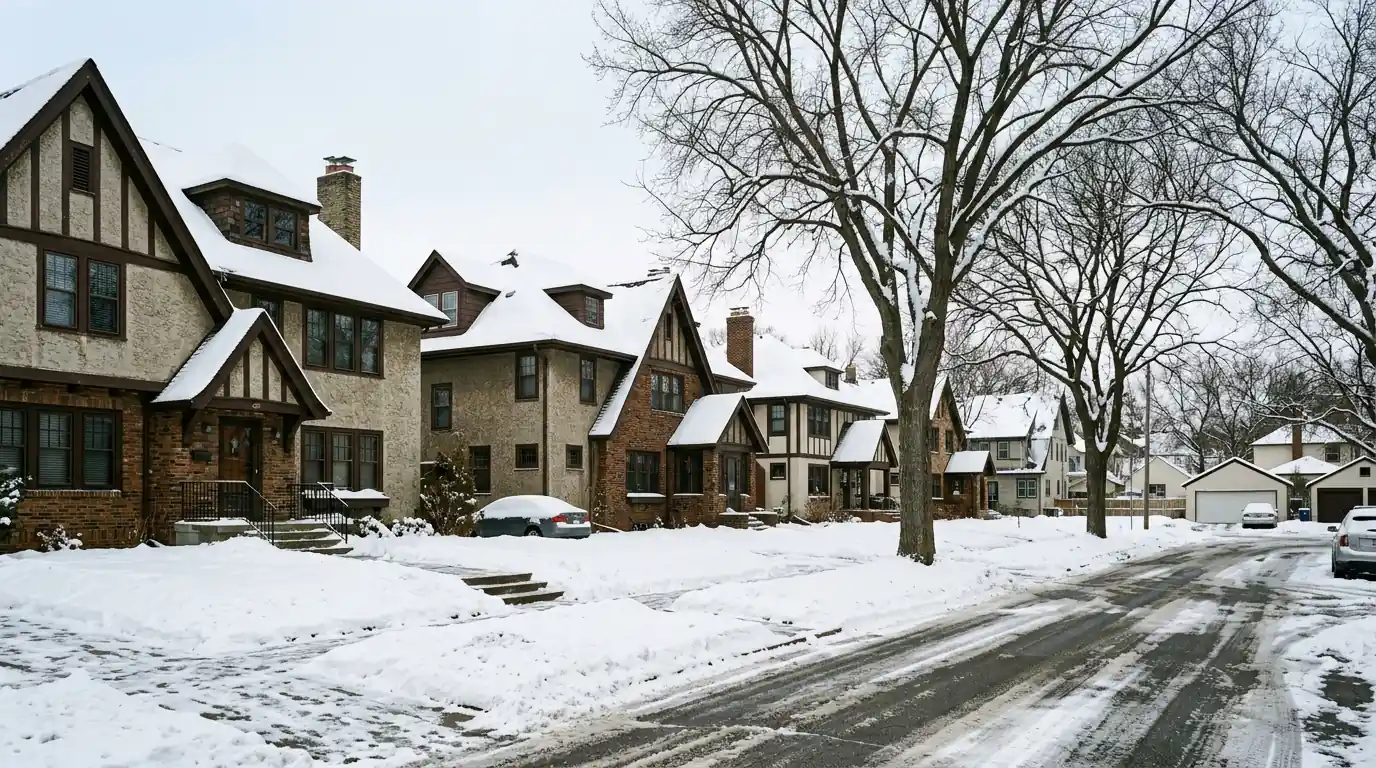
PlumbTek plumbs homes in Kenny, ZIP 55419, the post-war blocks around Kenny Park and Grass Lake near the city line. The most common calls are tired water heaters, pinhole leaks in early copper lines, and cast iron drains or floor drains that back up. You'll get a clear explanation of the problem and the price before any repair starts.
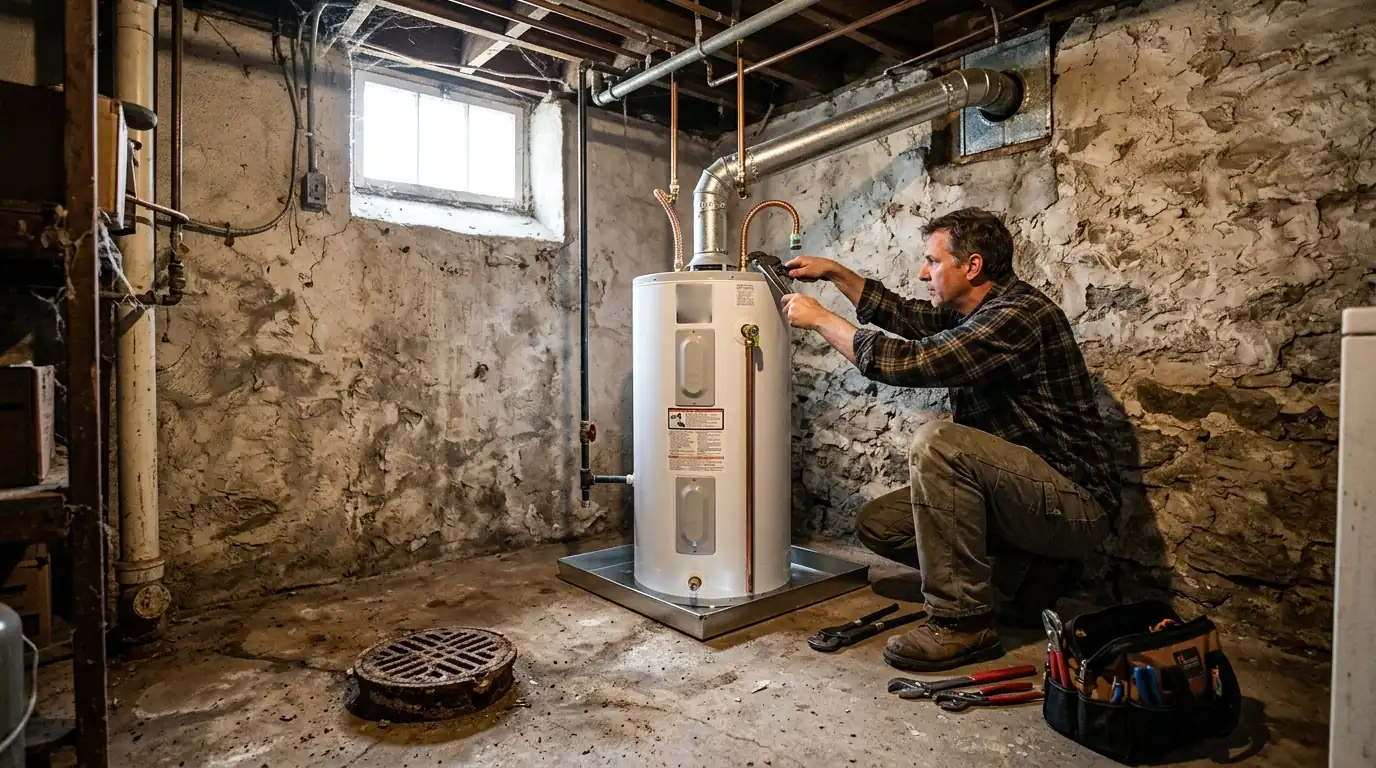
When a Kenny water heater is living on borrowed time
Many Kenny houses have had three or four water heaters since they were built, and the current one is often older than its owner thinks. Tank heaters in the Twin Cities work hard in winter, when incoming water arrives very cold, so a unit that seemed fine in August can struggle by January. Sediment in the bottom adds rumbling and slows recovery.
Warning signs include rusty hot water, a damp ring under the tank, a pilot that won't stay lit, or a pressure relief valve that drips. Replacement is easier on your schedule than during a leak. PlumbTek sizes the new heater to your household, checks the venting and gas connection, and sets a drain pan in place.
Why early copper and cast iron both need watching in Kenny
Some Kenny homes were among the first in the city plumbed with copper supply lines instead of galvanized. That was an upgrade, but after seventy years the thin walls can wear through in tiny pinholes, often at elbows near the water heater or where pipe rests against a joist. A spray of fine mist or a green crust on the pipe gives it away.
The drains below are usually cast iron, ending at a basement floor drain tied to the sanitary sewer. When the iron scales up inside or the lateral beyond it fills with roots, that floor drain is where water appears. Clearing the line and checking it on camera tells you whether you need a cleaning or a repair.
Easy upkeep for a Kenny post-war house
- Find the date on your heater label. The serial number on the water heater label usually encodes the year it was built. Knowing the age helps you replace it on a quiet weekday instead of during a cold snap.
- Run a hand along exposed copper. Every few months, look and feel along the copper lines in the basement ceiling. Green crust, a damp spot or a bead of water at a fitting is worth a call before it grows.
- Refill the floor drain trap. If the basement smells of sewer gas, the floor drain trap may have dried out. Pour a gallon of water into it every month or so to restore the seal.