Trenchless sewer repair in Minneapolis, the short answer
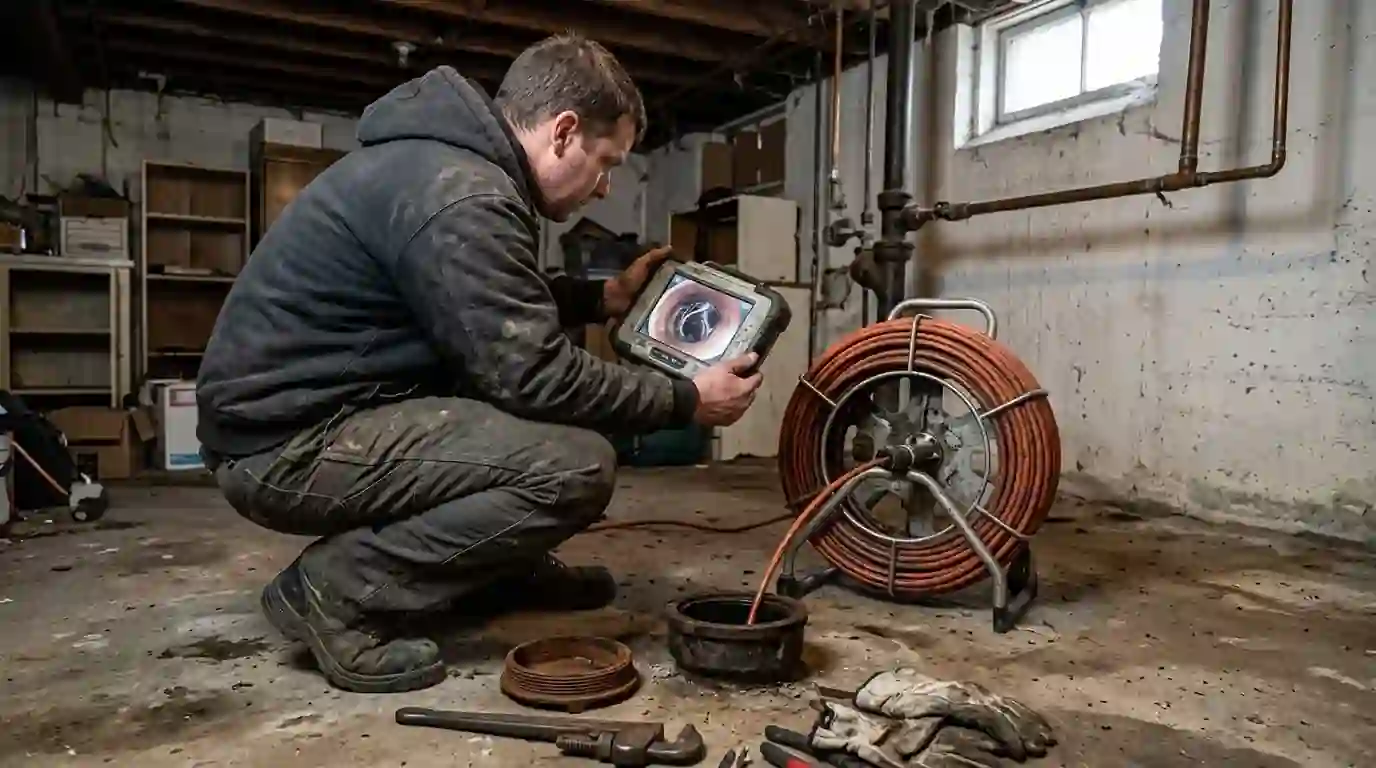
Trenchless sewer repair in Minneapolis renews a damaged sewer lateral from the inside, most often with a cured-in-place pipe liner, so the yard, driveway and landscaping above stay largely untouched. You need it when a lateral has cracks, root-filled joints or minor offsets along its length but still holds its shape. The liner forms a new jointless pipe inside the old one once the resin cures.
How a cured-in-place liner rebuilds the pipe
A cured-in-place pipe liner, often called CIPP, starts as a felt or fiberglass tube cut to the length of your lateral. The tube is saturated with resin on site, then inverted or pulled into the old pipe through a cleanout. Air or water pressure presses it tight against the host pipe wall from the foundation to the street connection.
The resin then cures with hot water, steam or ambient time, depending on the system. The result is a smooth, jointless pipe inside the old one. Because there are no joints left, roots have nowhere to enter. The inside diameter shrinks slightly, but the smooth wall usually carries flow as well as or better than rough old clay.
Prep work decides whether a liner lasts
A liner only bonds and holds its shape if the host pipe is clean. Before lining, the line is cut and jetted to remove roots, scale and grease, then checked on camera so every defect is accounted for. Heavy offsets may need to be ground down with a robotic cutter so the liner doesn't wrinkle at the joint.
After curing, the branch connections have to be reopened. If the lateral picks up a second drain, such as a separate kitchen line in an older house, a remote cutter reinstates that opening from inside the new pipe. Skipping this step leaves a branch blocked, so a final camera pass confirms every opening is clear.
Where trenchless lining isn't the right call
Lining needs a pipe with a continuous shape to follow. It can't bridge a fully collapsed section, fix pipe that's missing, or correct a belly where the line sags. Orangeburg that has flattened badly is also a poor host. In those cases, a short excavated repair at the bad spot, followed by lining the rest, sometimes works.
Lining also isn't the cheapest route when the pipe is shallow under open lawn. A short, shallow trench can cost less than mobilizing lining equipment. The real advantage of trenchless work shows up when the pipe sits deep or runs under concrete, trees, stoops or retaining walls you'd rather not tear out.
Signs your lateral may be a lining candidate
These describe a pipe that's failing but still intact enough to line.
- Roots at many joints, pipe intactCamera footage shows root intrusion at regular joints, but the pipe between them is round and mostly sound.
- Hairline cracks along the runLongitudinal cracks in clay or cast iron that haven't broken open are good targets for a liner to seal.
- Line runs under hardscapeThe lateral path crosses a driveway, patio, stoop or retaining wall that would be costly to tear out and rebuild.
- Big trees over the sewer pathA mature tree sits above or beside the line, and digging would risk cutting major structural roots.
- Repeat root cutting every yearYearly cleanings have become routine, and lining would stop root entry for good by eliminating the joints.
A trenchless lining job from start to finish
Camera and measure
We record the full lateral on camera, measure its length precisely and confirm the pipe holds a round shape suitable for lining.
Clean the host pipe
Roots, scale and debris are cut and jetted out, and heavy offsets are ground smooth so the liner lies flat against the wall.
Wet out and install
The liner tube is saturated with resin and inverted or pulled into the pipe through the cleanout or a small access pit.
Cure the resin
Hot water, steam or time cures the resin into a hard new pipe wall pressed against the old pipe from end to end.
Reinstate and verify
Branch connections are reopened with a remote cutter, and a final camera run confirms the lined pipe is smooth and clear.
Trenchless sewer repair pricing in the metro
Lining costs depend mostly on length, pipe size and access. Your price depends on what the plumber finds on site, and you get the figure ahead of the work.
| Job | Typical range | What moves the price |
|---|---|---|
| Full lateral CIPP lining, typical home | $6,438 to $12,876 | Lateral length, pipe diameter and number of bends |
| Lining with a new outdoor cleanout | $7,912 to $14,365 | Excavation for access and cleanout fitting included |
| Pre-lining cleaning and offset grinding | $687 to $1,843 | Root density and number of offsets to grind |
| Branch reinstatement inside a liner | $412 to $963 | Number of branch connections to reopen |
What changes the number
- Total length of pipe to be lined.
- Pipe diameter and transitions, such as four-inch to six-inch sections.
- Whether a new access point or outdoor cleanout must be installed.
- How much cleaning and offset grinding the pipe needs first.
- Number of branch connections that must be reopened after curing.
Ranges reflect typical Twin Cities jobs in 2026. Your price is explained before work starts. Compare other jobs in the PlumbTek price guide.
Questions to settle before you approve a liner
These help you confirm lining fits your pipe and covers the full problem.
- Has the full lateral been camera inspected after cleaning, not just before?
- Does the liner run all the way to the city main connection?
- Are any sags or bellies present that a liner would simply follow?
- Is any section collapsed or missing that needs an excavated repair first?
- How will branch connections be reopened after the liner cures?
- Is a new cleanout part of the job for future access?
- Will you get the before and after footage to keep?
Why lining suits so many Twin Cities lots
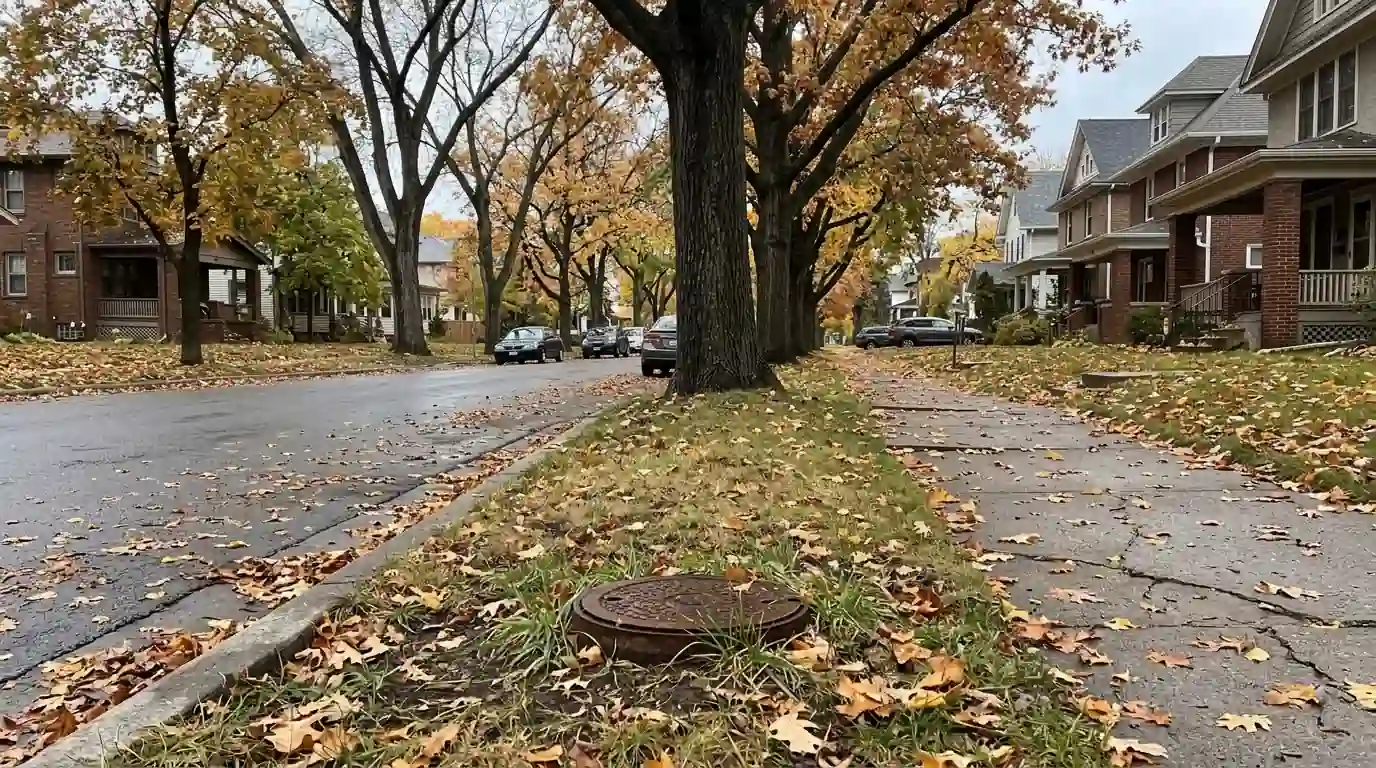
On narrow city lots in Minneapolis neighborhoods like East Harriet, Lynnhurst and Saint Paul's Merriam Park, the lateral often passes under a front stoop, a concrete walk, a mature boulevard tree and the public sidewalk. Digging all of that up is costly, so lining from a basement or outdoor cleanout keeps the yard largely as it is.
Lining also cuts down on frozen-ground trouble. Because there's little or no excavation, winter lining is far more practical than a winter trench. Deep laterals, common in Minnesota because pipes stay below frost, are another reason lining makes sense, since depth adds cost to digging but little to lining.