Plumbing in Field, the short answer
PlumbTek plumbs homes in Field, ZIP 55417, the 1910s to 1930s blocks around Field Park between 4th Avenue and Chicago Avenue. Frequent jobs include replacing seized original shut-off valves, repairing or replacing old galvanized and lead water service lines, and clearing clay sewer laterals. Each visit starts with a look at the meter area, and the cost comes before the work.
Why the shut-off by the Field water meter may not close
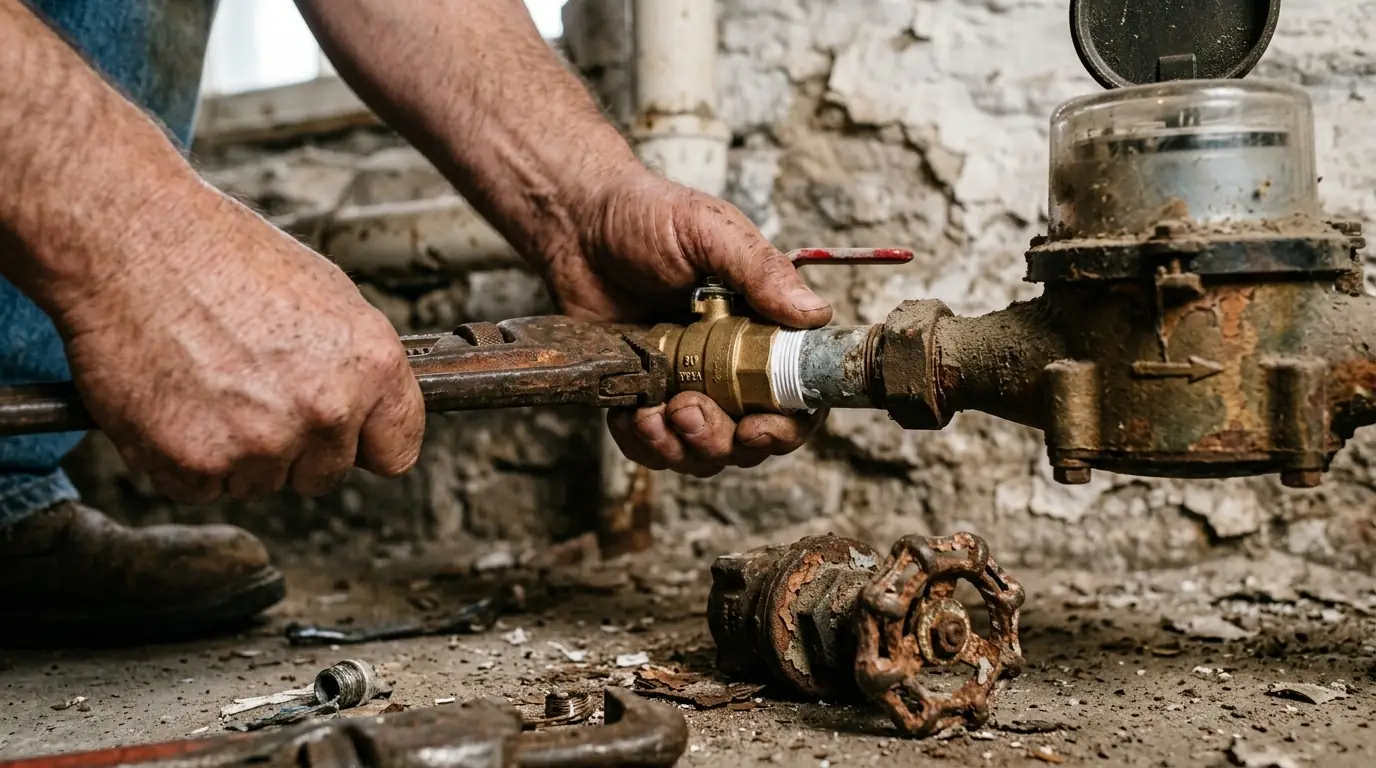
When a Field house was built, the main shut-off was a gate valve with a round wheel handle, mounted where the water service enters the basement. Inside, a brass wedge drops into the pipe to stop flow. Decades of mineral buildup freeze that wedge in place, so the handle either won't turn or spins without closing anything.
Most owners find out during an emergency, when water is pouring from a broken fitting and the valve won't stop it. Replacing it ahead of time with a quarter-turn ball valve is quick and gives you a valve that closes in one motion. If the service pipe beside it is badly corroded, that gets addressed at the same visit.
What feeds water into a Field home from the street
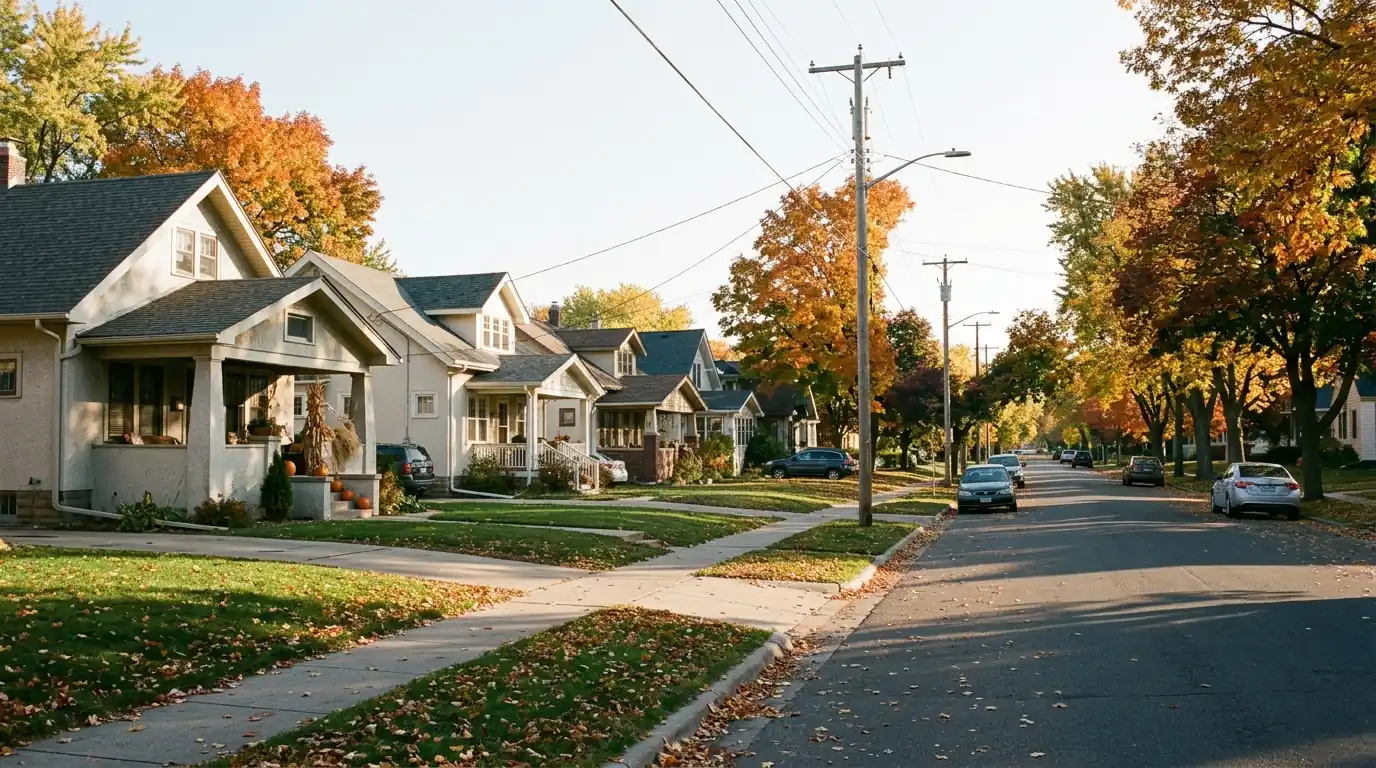
Under the front yard, the water service runs from the city curb stop to the meter in your basement. In Field, that line may be original galvanized steel, later copper, or lead, depending on the year the house was built and any past repairs. Galvanized service lines rust shut from inside, and lead lines raise health concerns.
A simple scratch test where the pipe enters the house gives a clue, and the Minneapolis lead lookup adds the city's records. If the line needs replacing, PlumbTek can often pull a new one with minimal digging, connecting at the curb stop and the basement wall. Clay sewer laterals in the same yards are best checked on camera at the same time.
Field homeowner habits for older water lines
- Test the main valve twice a year. Turn the main valve slowly to close and open it in spring and fall. If it binds or drips at the stem, plan a replacement before you need it in a hurry.
- Try the magnet and coin test. Where the service pipe enters the basement, gently scratch it with a coin. Shiny silver metal that a magnet won't stick to may be lead and is worth confirming.
- Note where the curb stop sits. The curb stop is a small metal cap in the yard or boulevard. Knowing where it is helps a plumber or the city shut water off fast if the inside valve fails.
- Run cold water after a long absence. After a vacation, let the cold tap run for a few minutes before drinking it, especially if you suspect lead or galvanized service pipe.