Plumbing in Coon Rapids, the short answer
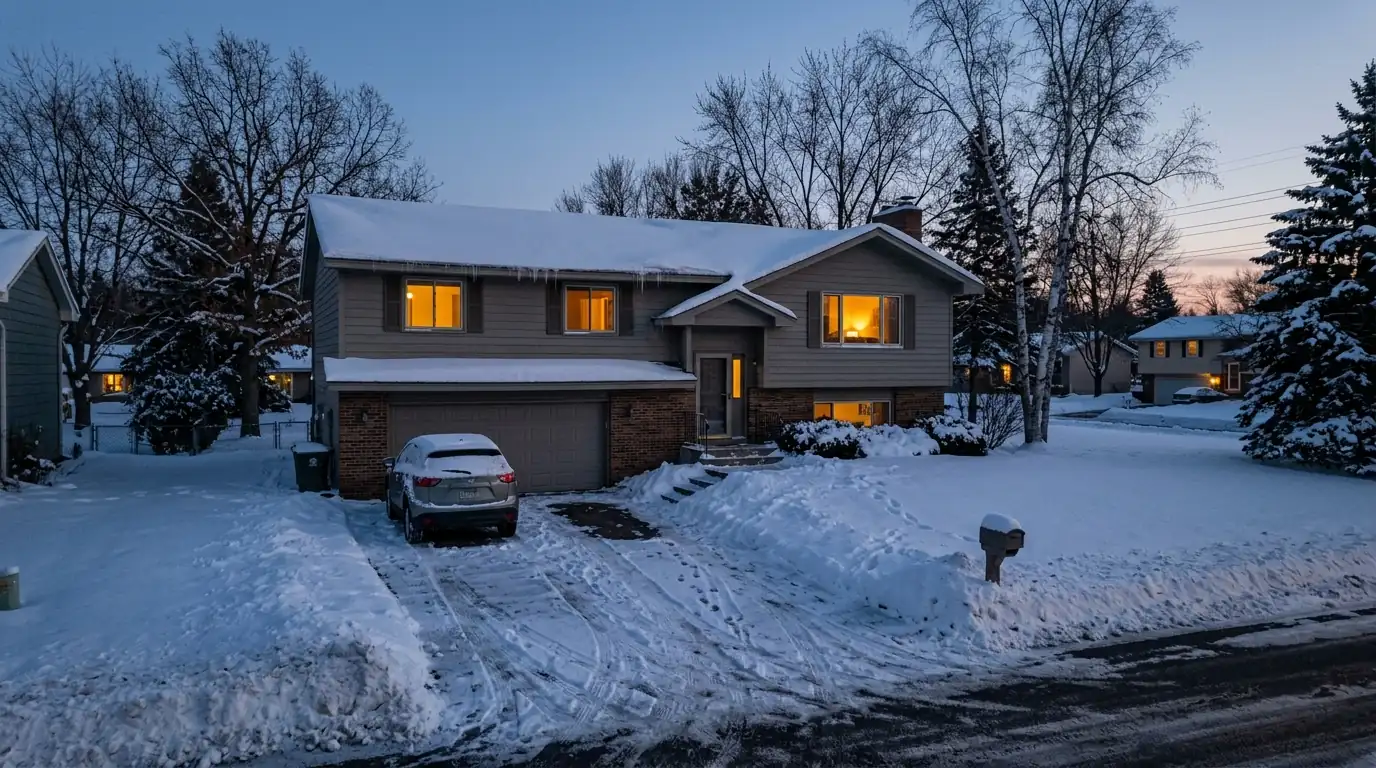
PlumbTek plumbs homes in Coon Rapids, MN 55433, mostly ramblers and split-levels built from the 1960s to the 1980s. The common calls are water heater replacements, drains where old cast iron meets early PVC, sump pumps on lower lots near the creek, and worn fixtures. You can call 24/7, and the plumber explains the price before any work begins.
Where cast iron meets plastic in a Coon Rapids basement
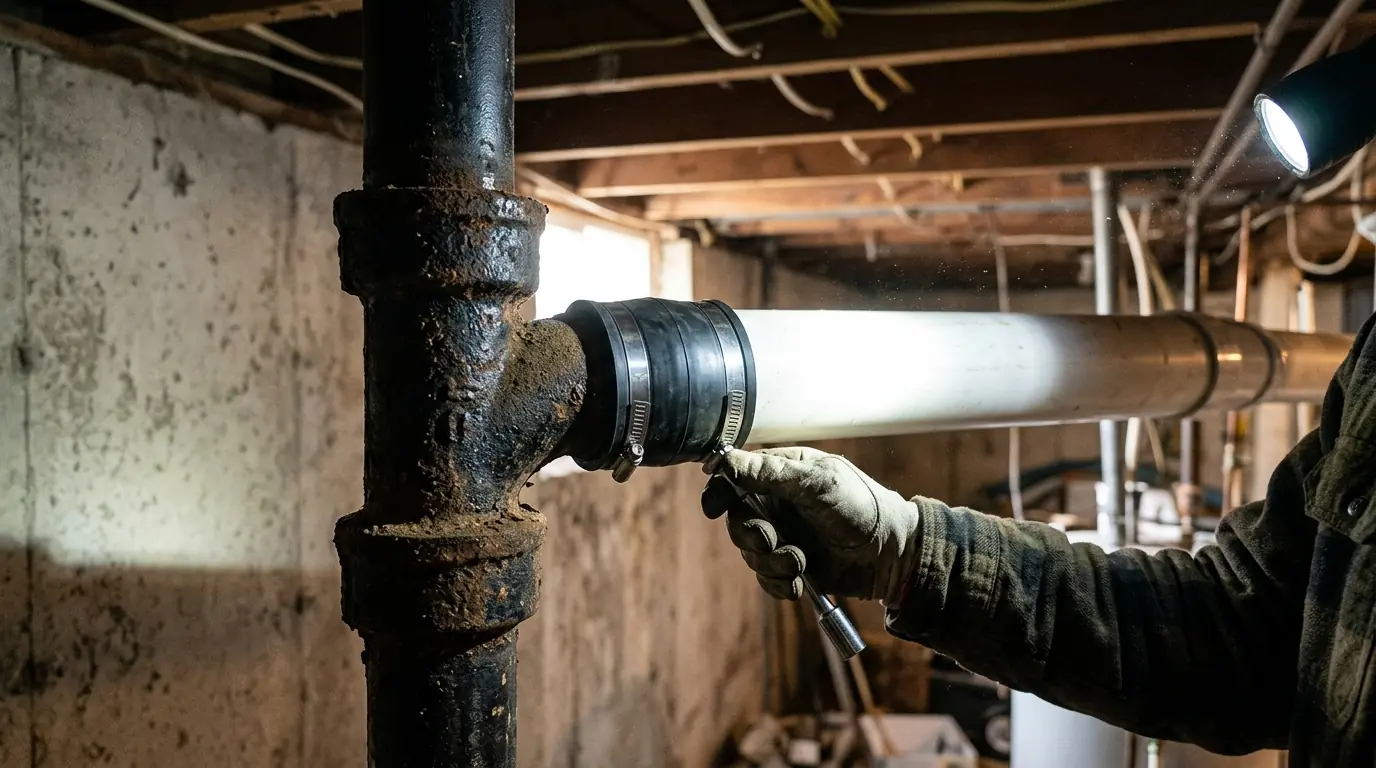
Houses built here in the late 1960s and 1970s caught the switch from cast iron to plastic drains. Many have a cast iron stack and building drain with early PVC or ABS branches added later, joined by rubber couplings. Those transition points are where trouble likes to start, since the couplings loosen and the old iron scales up.
A gurgling basement drain, a sewer smell near the laundry or a slow tub on the main floor often traces back to one of these joints. A camera run through the building drain shows whether the iron has scaled shut, cracked or separated from the plastic, which tells you if cleaning is enough.
Water heaters on their second or third round
By now, most Coon Rapids homes have replaced the original water heater at least once. Many of those replacements went in during the late 1990s or 2000s, which puts them right in the window where tanks start leaking at the bottom seam or the gas control fails on a cold morning.
Before a tank lets go, you'll usually see warning signs: rust at the fittings on top, water in the drain pan, popping as the burner fires, or hot water that runs out sooner than it used to. PlumbTek checks the venting, gas line and relief valve on every swap so the new heater meets current code.
Low-effort habits for Coon Rapids homeowners
- Write the heater date down. The manufacture date is coded in the serial number on the heater label. Note it somewhere handy so you can plan a replacement instead of reacting to a leak.
- Check couplings for dampness. Run a dry hand along rubber couplings where cast iron meets plastic. Any dampness or white crust means the joint has started to weep.
- Keep a drain pan under the tank. A pan piped to the floor drain catches a slow leak and buys time before the floor or finished walls get soaked.
- Run the sump before thaw. Near Coon Creek, pour a bucket into the sump pit in early March. If the pump hums without draining, replace it before the snowmelt arrives.