Basement floor drain repair in Minneapolis, the short answer
Basement floor drain repair in Minneapolis covers fixing the drain set in the basement slab, including its grate, trap, drain body and the pipe below the floor. You need it when the drain smells of sewer gas, drains slowly, overflows during laundry or rain, or has a cracked or rusted grate. Most older Minneapolis floor drains connect to the sanitary sewer, so problems there often affect the whole house.
What sits under that grate in an older basement
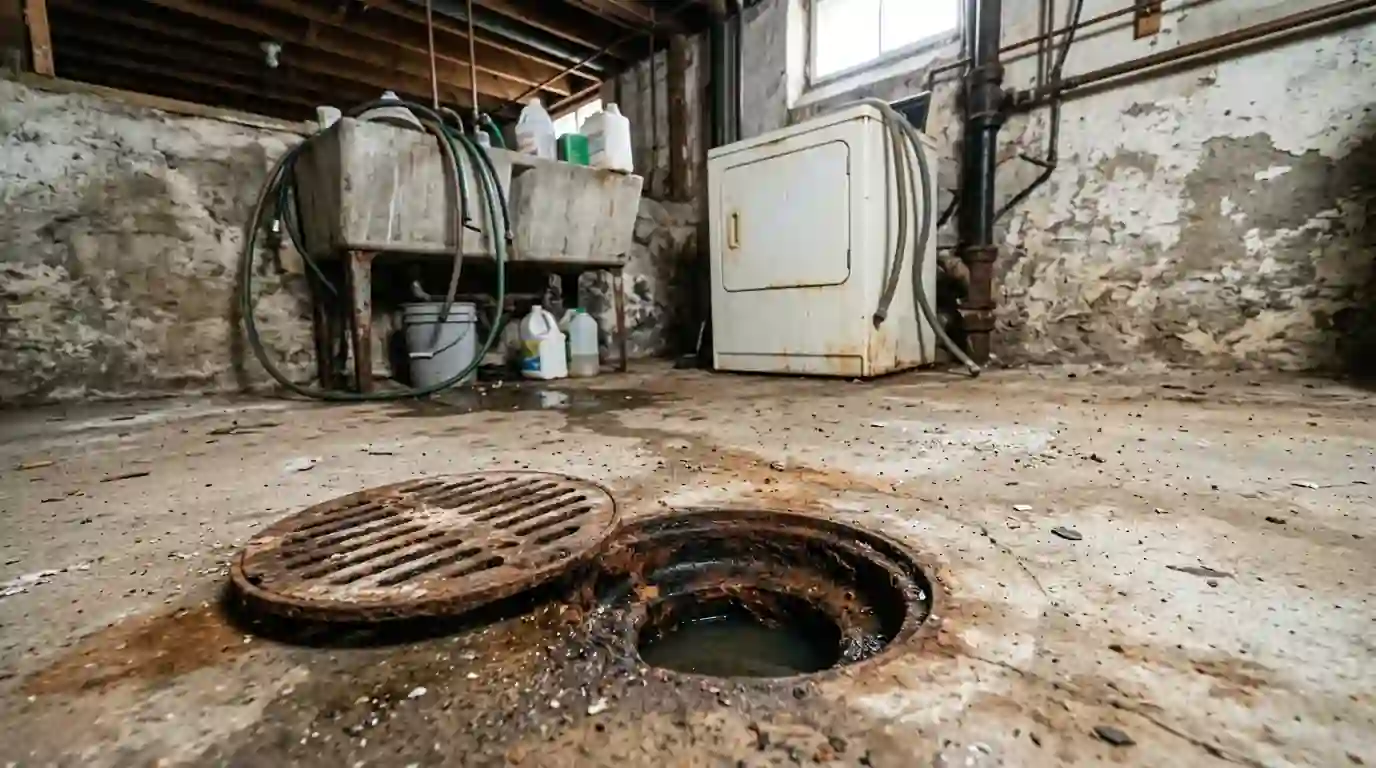
In most Minneapolis homes built before the 1960s, the floor drain is a cast iron body set in the slab, with a removable grate on top and a deep trap below. The trap holds water that blocks sewer gas from rising into the basement. Many also have a cleanout plug inside the drain body that opens into the main line.
That design means the floor drain is connected to the sanitary sewer, not to the storm system. It's the lowest drain in the house, so any blockage in the main line shows up there first. It also means a dry trap, a missing cleanout plug or a cracked body lets sewer gas and sometimes sewer flies into the basement.
The most common floor drain failures we fix
Dry traps are the simplest. Drains that rarely see water lose their trap seal through evaporation, especially in dry winter air with the furnace running. A sewer smell that comes and goes is often just that. Refilling the trap fixes it short term, and a trap primer or a trap seal insert keeps it from drying out again.
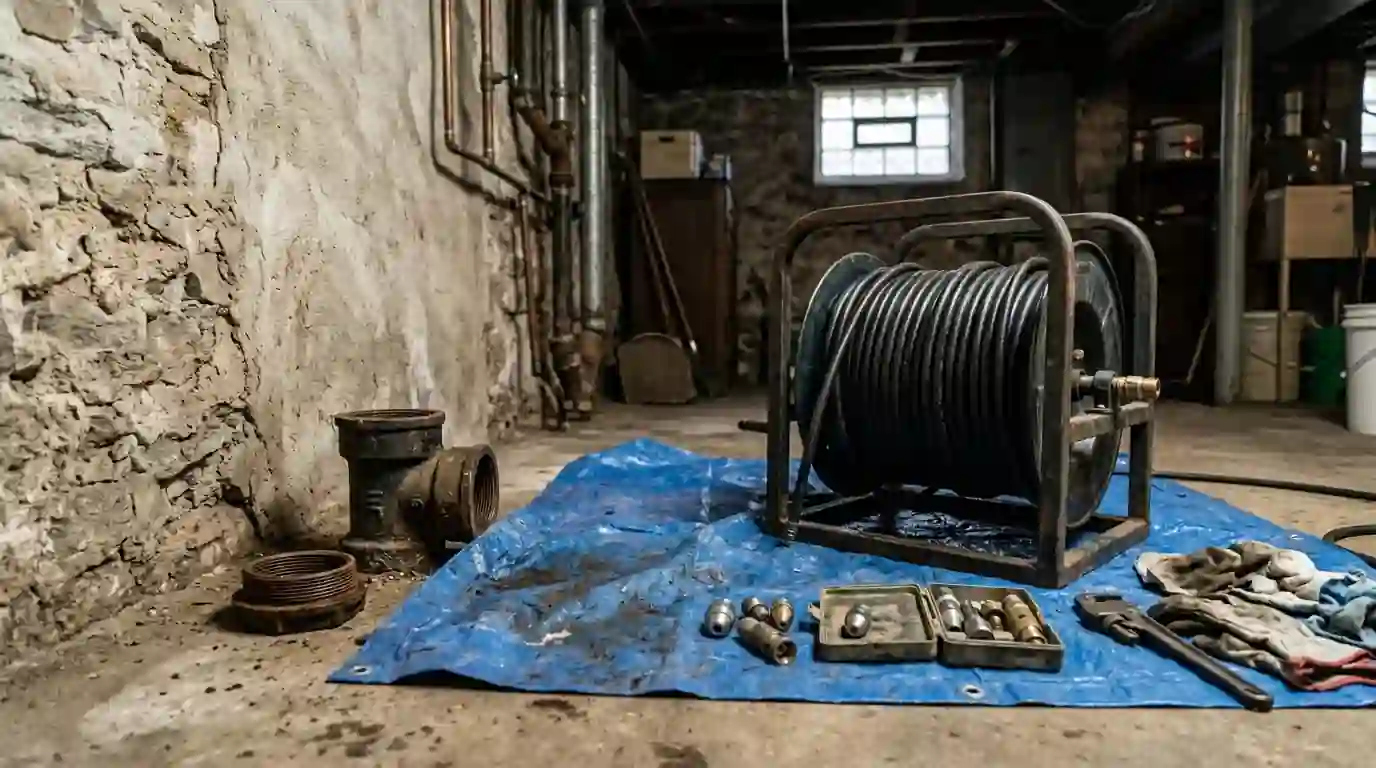
Other problems run deeper. Old cast iron drain bodies rust through at the bottom, grates corrode and break, and inner cleanout plugs go missing or seize. The line from the drain to the main under the slab can clog with sand, lint and sludge. When the body or under-slab pipe fails, we break out concrete around it to make the repair.
When the floor drain is really a main line warning
If water comes up through the floor drain when you run the washer, flush a toilet or take a shower, the floor drain itself is usually fine. It's showing you a blockage farther down the main line. Fixing the drain won't help, and the main needs to be cleaned and checked.
Water rising during heavy rain points to a different problem. Groundwater or stormwater may be getting into the sewer system, or the city main may be surcharging. A backwater valve on the floor drain line or main can stop that flow from reaching your basement, and PlumbTek can tell you which setup fits your drain layout.
Floor drain trouble you can spot from the basement stairs
Each of these points to a different part of the floor drain or the line beyond it.
- Sewer smell that comes and goesAn on and off sewer odor near the drain usually means the trap is drying out and letting gas from the main line through.
- Small flies around the grateDrain flies breeding in sludge inside the drain body or trap show that organic buildup needs cleaning out.
- Water pooling slowly after rainA floor drain that takes a long time to clear water from a wet floor is partly clogged in the trap or under-slab line.
- Rust stains spreading at the drainOrange stains and flaking around the grate mean the cast iron body is corroding and may be close to failing.
- Cracked or missing grateA broken grate lets debris into the trap and is a trip hazard, and it often hides a missing cleanout plug inside.
- Water rising when the washer drainsThat's a main line restriction showing up at the lowest drain, not a floor drain fault, and the main needs attention.
How a floor drain gets diagnosed and fixed
Check trap and plug
We lift the grate, check the trap water level, look for the inner cleanout plug and inspect the drain body for rust or cracks.
Test with water
We run water into the drain and from fixtures upstairs to see whether the problem is the floor drain line or the main.
Clear or camera the line
Clogs in the floor drain line are cabled or jetted, and a camera shows the condition of the pipe under the slab.
Repair or replace parts
We replace grates, cleanout plugs and trap seals, or break out concrete to replace a failed drain body or under-slab pipe.
Patch and test seal
Concrete is patched around new work, the trap is filled, and we confirm no sewer odor and full drainage before leaving.
Grate, trap or slab: price ranges for floor drain fixes
Costs depend mostly on whether the fix is above the slab or below it. Parts, access and labor time decide the final figure, and it is explained up front.
| Job | Typical range | What moves the price |
|---|---|---|
| Trap seal insert or new grate and plug | $137 to $289 | Grate size, plug type and condition of the drain body |
| Floor drain line cleared by cable | $198 to $376 | Amount of sand, lint and sludge in the line |
| Floor drain body replaced in slab | $987 to $2,135 | Concrete breakout, new drain body, connection and patching |
| Under-slab drain pipe section replaced | $1,438 to $3,676 | Length of pipe, slab thickness and floor finish |
What changes the number
- Whether the fix is at the grate and trap or below the slab.
- How much concrete has to be broken out and patched.
- Finished basement floors such as tile, carpet or laminate over the drain area.
- Condition of the cast iron around the drain body.
- Whether a backwater valve or trap primer is added during the repair.
Ranges reflect typical Twin Cities jobs in 2026. Your price is explained before work starts. Compare other jobs in the PlumbTek price guide.
Keeping a basement floor drain healthy year round
- Pour water in every month. A gallon of water poured into a seldom used floor drain keeps the trap seal full and blocks sewer gas, especially in winter.
- Keep the grate clear. Don't stack boxes or rugs over the drain. You want to see it and reach it fast if water ever starts coming up.
- Check the inner plug. If your drain has an inner cleanout plug, make sure it's in place and tight. A missing plug lets sewer gas bypass the trap.
- Mind the laundry lint. A lint trap on the washer hose keeps fibers from building up in the floor drain line that the laundry tub often shares.
Bell traps to PVC: floor drains across Twin Cities houses
In the bungalows and foursquares of Powderhorn, Longfellow and Saint Paul's Como, the floor drain often sits in the middle of an unfinished basement near the old laundry area. Many still have the original cast iron body with a bell trap or deep P-trap. These drains have handled water for decades and are now reaching the point where rust and seized plugs are common.
Newer homes built from the 1970s on usually have PVC floor drains, sometimes tied into a sump pit or a separate ejector rather than the main sewer. In finished basements across Edina, Eden Prairie and Woodbury, floor drains often sit under carpet or behind furniture, where dry traps go unnoticed until the smell starts.