Plumbing in Audubon Park, the short answer
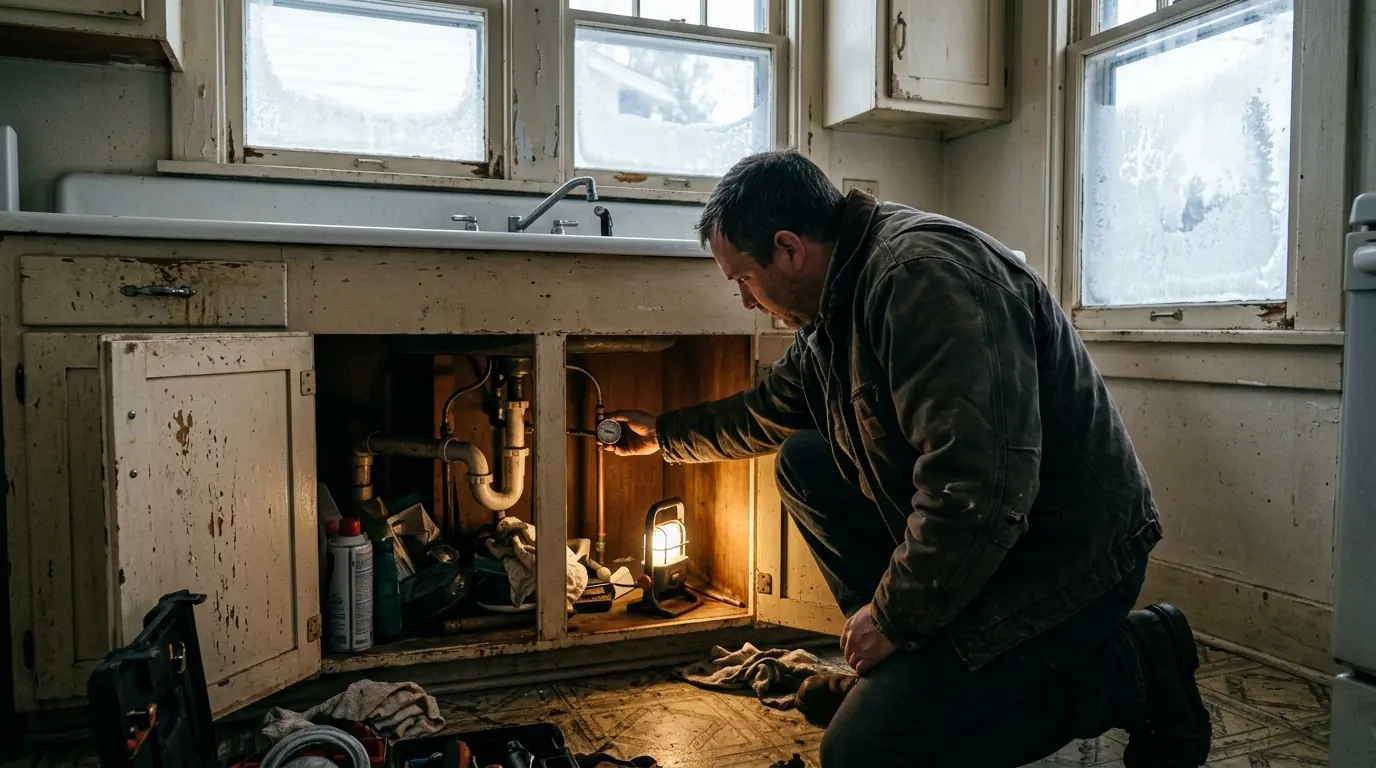
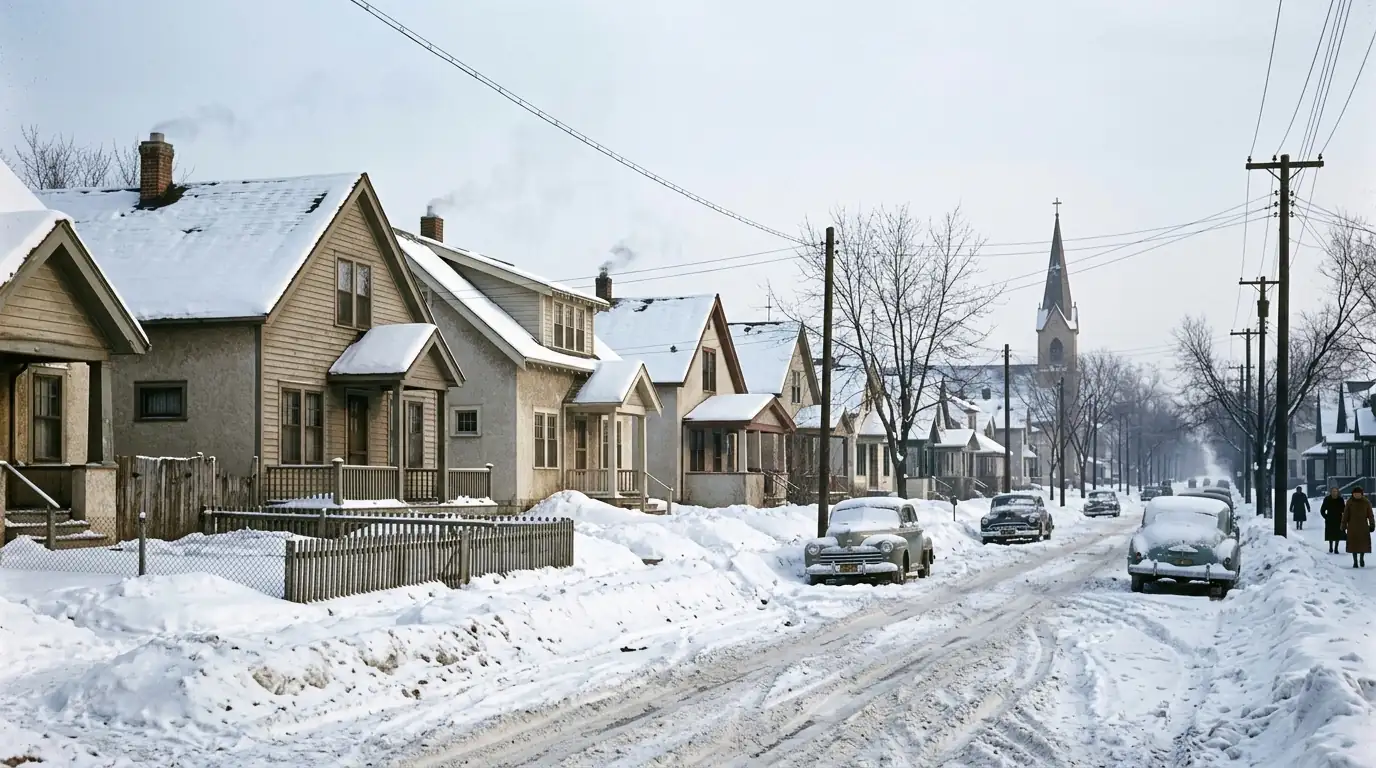
PlumbTek plumbs homes in Audubon Park, ZIP 55418, in Northeast Minneapolis around Audubon Park and Johnson Street. Winter brings most of the calls: frozen pipes on north-facing and exterior walls, burst lines after a thaw, and freeze protection so it doesn't happen again. Older floor drains and clay laterals round out the list. The phone is answered 24/7, and costs are explained before work starts.
Why north-facing walls freeze first in Audubon Park
Walls that face north in an Audubon Park home get little or no winter sun, so they stay colder than the rest of the house through January and February. If a kitchen sink, bathroom or laundry line runs inside one of those walls, it's the most likely spot for a freeze. Older homes from the 1910s to 1940s often have little insulation in those cavities.
Wind makes it worse. A cold northwest wind pushes air through gaps around the rim joist and sill plate, chilling pipes in the basement ceiling near the outside wall. That's why a supply line can freeze even in a heated basement. Knowing which of your pipes sit in those spots tells you where to focus protection.
What happens after a pipe freezes in Northeast
Water expands as it freezes, and the pressure builds between the ice and a closed faucet. The pipe often splits somewhere other than where the ice formed. You may not see a leak until the line thaws, and then water sprays from inside a wall or ceiling. Catching it while it's still frozen gives you a chance to thaw it under control.
When PlumbTek responds to a frozen line in Audubon Park, the pipe is thawed gradually and checked for splits before full pressure returns. After that, the conversation turns to prevention: insulation, sealing drafts, heat cable on the worst runs, or rerouting a line away from the cold wall altogether.
Cold-weather tips for Audubon Park homes
- Disconnect hoses before November. A hose left on the outdoor faucet traps water in the valve, which freezes and cracks it. Disconnect and drain hoses before the first hard freeze.
- Drip the coldest faucet. On subzero nights, let a thin stream run from the faucet on your coldest wall. Moving water is much slower to freeze.
- Seal the rim joist. Spray foam or rigid insulation along the basement rim joist blocks the drafts that chill pipes near the outside wall.
- Know your main shut-off. If a frozen pipe bursts, shutting the main valve quickly limits damage. Find it and test it before winter.