Water heater installation in Minneapolis, the short answer
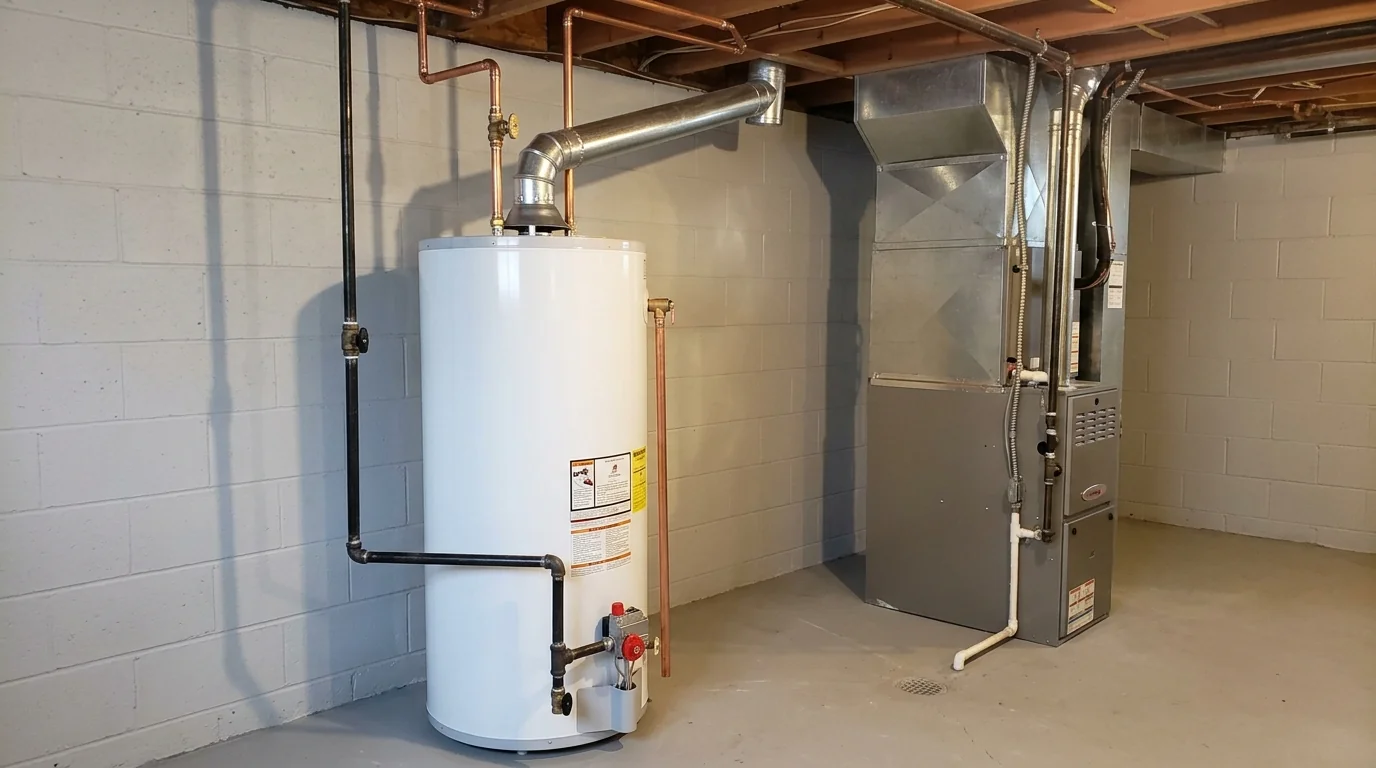
Water heater installation in Minneapolis is the removal of an old tank and the setting of a new gas or electric unit, complete with venting, gas or electrical connections, an expansion tank and relief piping. You need it when the tank leaks from the shell, is past about twelve years, or can no longer keep up with a growing household.
Sizing a tank for Minnesota winters, not just the number of bedrooms
Tank size on a label tells only half the story. The number that matters is first-hour rating, which is how much hot water the heater can deliver in a busy hour starting full. In winter, incoming water can be cold enough that a tank delivers noticeably less than its summer output. A family of four with back-to-back morning showers often needs a 50 gallon gas tank, or a larger electric.
We ask how many showers run in a row, whether you have a soaking tub, and if a basement bathroom has been added since the old heater went in. Those answers decide between a 40, 50 or 75 gallon tank, and between standard burner input and a higher-input model that recovers faster.
Atmospheric, power vent or electric: which fits your basement?
An atmospheric gas tank vents by natural draft up a chimney or B-vent. It's the simplest and cheapest option, but only works when the vent is sized right and drafts reliably. A power vent tank uses a blower to push exhaust through plastic pipe out a side wall, which frees you from the chimney entirely.
Power vent makes sense when your furnace has already moved to side-wall venting and left the water heater alone in a big masonry flue. It needs an outlet nearby and a clear wall path outside. Electric tanks need no venting at all, but they need a dedicated 240 volt circuit and recover more slowly. Heat pump water heaters are another electric option where the basement has room and stays warm enough.
What a code-correct install includes besides the tank
A new tank isn't just set in place and plumbed. A thermal expansion tank goes on the cold side when the house has a pressure reducing valve or a check valve at the meter, which is common on Minneapolis services. The T&P relief valve gets a full-size discharge pipe ending a few inches above the floor or drain. Gas tanks get a sediment trap, a shut-off valve and a leak test.
PlumbTek pulls the permits the job needs, so a city inspector looks at venting, gas connections and relief piping after the install. If your home goes through a Truth in Sale of Housing evaluation later, a permitted, inspected water heater is one less item to explain.
When a new water heater makes more sense than a repair
One of these alone may be repairable, but two or more usually point to replacement.
- Water seeping from the tank bodyA leak from the steel shell means the inner lining has failed. That can't be repaired, and it tends to get worse quickly once it starts.
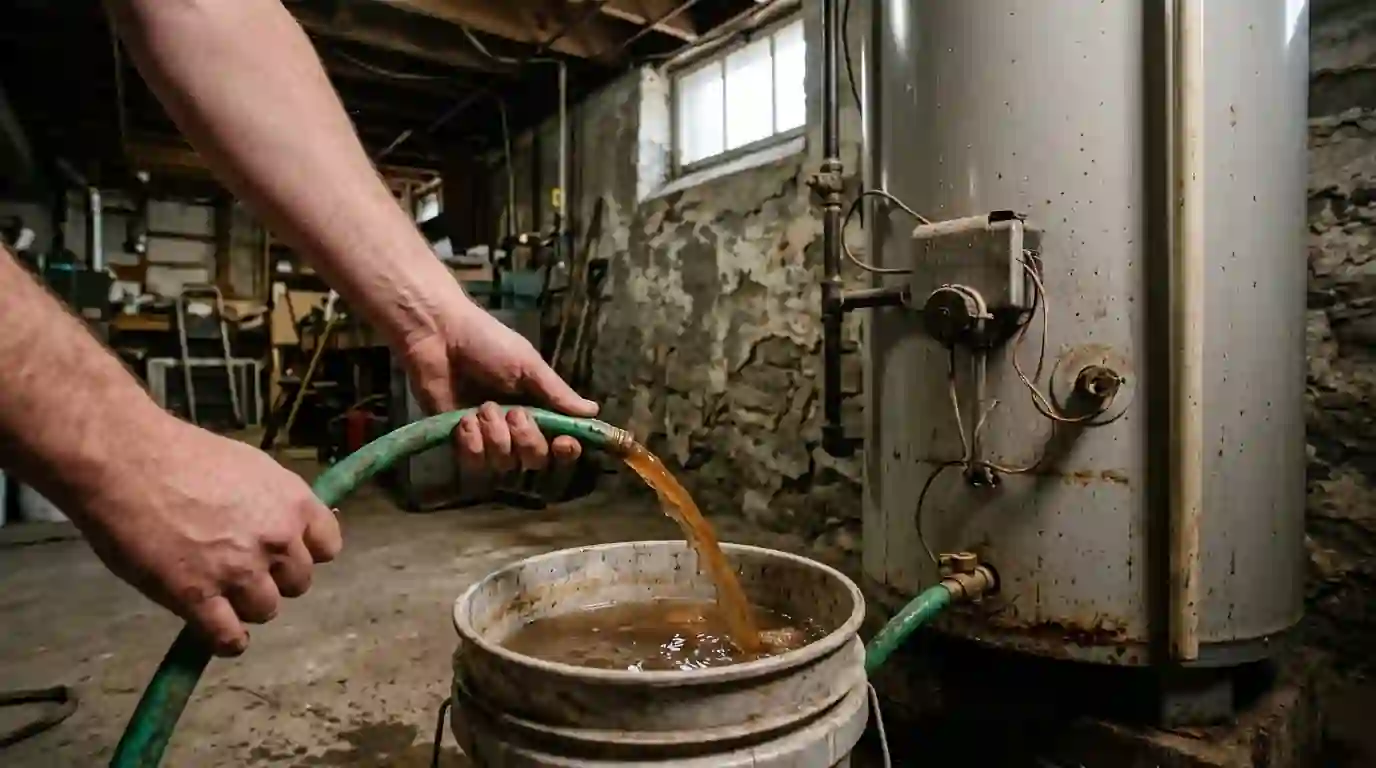
- Rust-tinted hot water onlyIf cold water runs clear and hot water is brown, the inside of the tank is corroding and the anode is long gone.
- Tank older than twelve yearsCheck the serial number or rating label. An older tank with any significant fault is usually a poor candidate for repair money.
- Hot water no longer lastsYour household grew, a bathroom was added, or the tank lost capacity to sediment. A bigger or faster recovery unit fixes the root cause.
- Backdrafting at the ventScorched paint at the draft hood or a soot smell means exhaust isn't leaving. Sometimes the fix is a new vent design paired with a new tank.
Steps from your phone call to a working new tank
Call and describe the setup
Ring (612) 254-6294 with the tank size, fuel type and age if you know it. A photo of the rating label and the venting helps us bring the right unit.
Site check and sizing
The plumber looks at the vent, gas line, water lines, floor drain and clearances, then confirms the size and type with you and explains the price.
Drain and remove the old tank
The old heater is drained to the floor drain, disconnected and hauled out. We protect stairs and floors on the way up.
Set, connect and vent
The new tank is leveled, piped with new valves and connectors, vented to code, and fitted with expansion tank and relief piping where required.
Fire up and inspect
We fill the tank, purge air, light or power it, test for gas leaks and draft, set temperature, and line up the city inspection.
Installed water heater prices around Minneapolis in 2026
Installed prices include haul-away of the old tank. Your actual price depends on the unit and the conditions at your house, and is explained before work starts.
| Job | Typical range | What moves the price |
|---|---|---|
| 40 or 50 gallon atmospheric gas tank | $1,687 to $2,438 | Tank size, vent condition and new gas connector |
| 50 gallon power vent gas tank | $2,764 to $3,617 | Wall penetration, vent run length and outlet location |
| 50 gallon electric tank | $1,493 to $2,196 | Existing 240 volt circuit and access to the basement |
| Heat pump water heater | $3,374 to $4,912 | Condensate drain, room volume and electrical work needed |
What changes the number
- Chimney liner work or a new vent design adds cost when the old flue is oversized or deteriorated.
- Expansion tank, new shut-off valves and relief piping are often needed to meet current code.
- Tight closets, narrow stairs or attic installs take more labor and sometimes a smaller tank.
- Permit and inspection fees vary by city across the metro.
- Rebates from your gas or electric utility can offset part of the cost on high-efficiency models.
Ranges reflect typical Twin Cities jobs in 2026. Your price is explained before work starts. Compare other jobs in the PlumbTek price guide.
Gas tank or electric tank for a Twin Cities home?
| Point | Gas tank | Electric tank |
|---|---|---|
| Recovery speed | Faster, a burner reheats the tank quickly | Slower, elements heat water gradually |
| Venting | Needs a chimney, B-vent or power vent | None needed |
| Power outage | Standing pilot models keep heating | No hot water until power returns |
| Install needs | Gas line, sediment trap, draft check | Dedicated 240 volt circuit |
| Best fit | Larger households with gas already in the house | Homes without gas or with no safe vent path |
Replacing tanks in older Minneapolis and Saint Paul homes
Many Minneapolis houses built before 1940 have the water heater tucked under the basement stairs or squeezed beside the chimney, with galvanized nipples and old gate valves still on the lines. During a replacement those get swapped for copper or PEX and quarter-turn ball valves, because a seized gate valve is no help when the next tank leaks.
Newer suburban homes in places like Maple Grove or Woodbury bring different issues: tanks in finished utility rooms with little floor drain access, and side-wall power vents that need a clear path. PlumbTek plans the drain-down and haul-out before arriving, so the old tank leaves without water on your carpet.