Backflow preventer repair in Minneapolis, the short answer
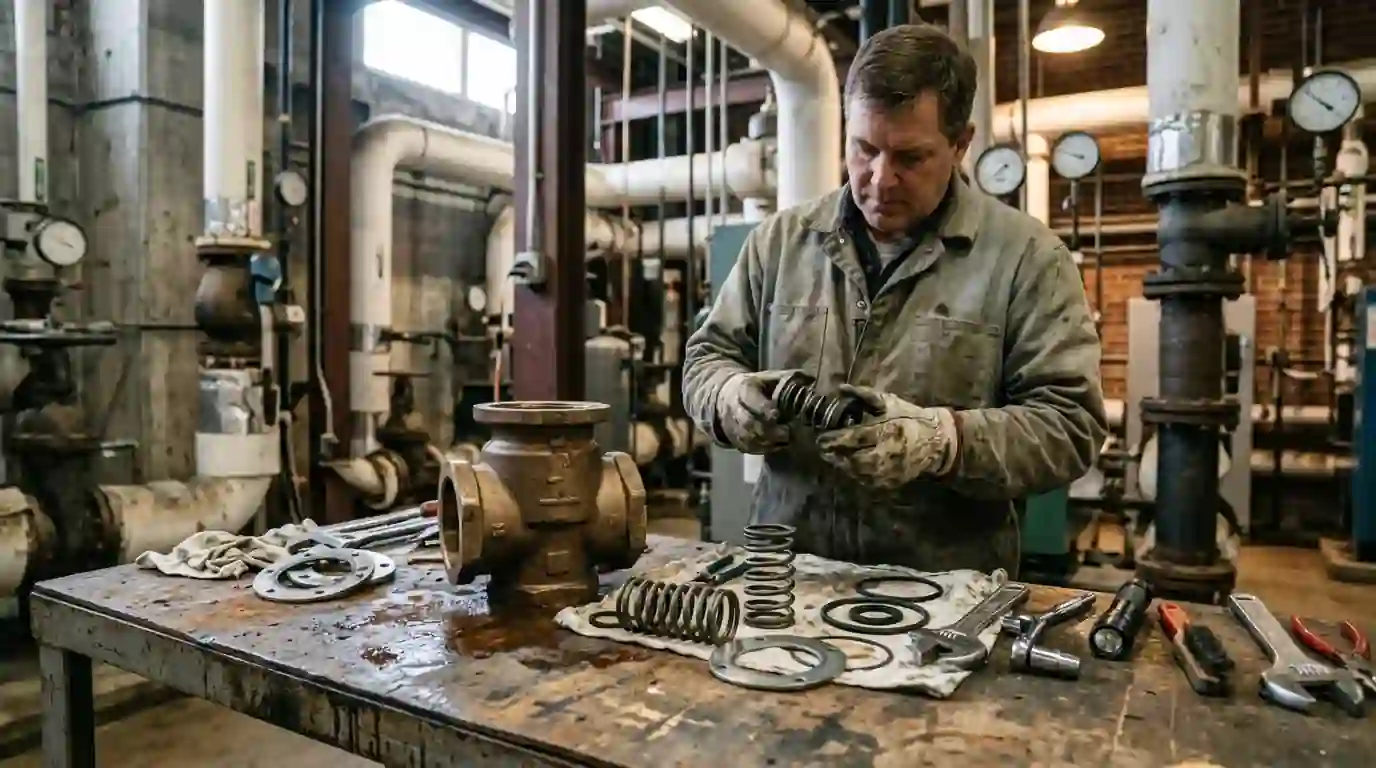
Backflow preventer repair in Minneapolis covers rebuilding or replacing a double check or RPZ assembly that failed its annual test, leaks, or cracked from freezing. Most repairs replace rubber seats, discs, springs or the relief valve module. You need it when the test report shows a failed reading, when an RPZ discharges water, or when an outdoor irrigation unit split over winter. A passing retest follows every repair.
Why backflow assemblies fail their yearly test
Most failures come down to the rubber. Check valve discs and seats sit under constant water pressure, and over a few years they take a set, crack or pick up mineral scale. A grain of sand or a pipe shaving lodged against a seat is enough to let water creep past. Springs lose tension too, so the check no longer holds the minimum pressure difference the test calls for.
On RPZ assemblies, the relief valve has its own diaphragm and seat. When either check valve leaks, the relief valve opens and dumps water to drain, which is exactly its job. Owners often call about the water on the floor, but the real fault is usually upstream at the first check. Replacing only the relief parts won't fix it.
Rebuild or replace: how the call gets made
If the body is sound and parts are available, a rebuild is usually the right call. The plumber shuts off the line, opens the covers, cleans the seats and installs a rubber kit or complete check modules. On common sizes this is often done the same visit as the failed test, with the retest right after.
Replacement makes more sense when the body is cracked, the threads or flanges are corroded, the model is discontinued, or the existing unit is the wrong type for the hazard. If a business has added a boiler chemical feed behind a double check, for example, the utility may require an RPZ instead. You'll hear the reason and the price before anything is removed.
Frozen and cracked irrigation backflow units
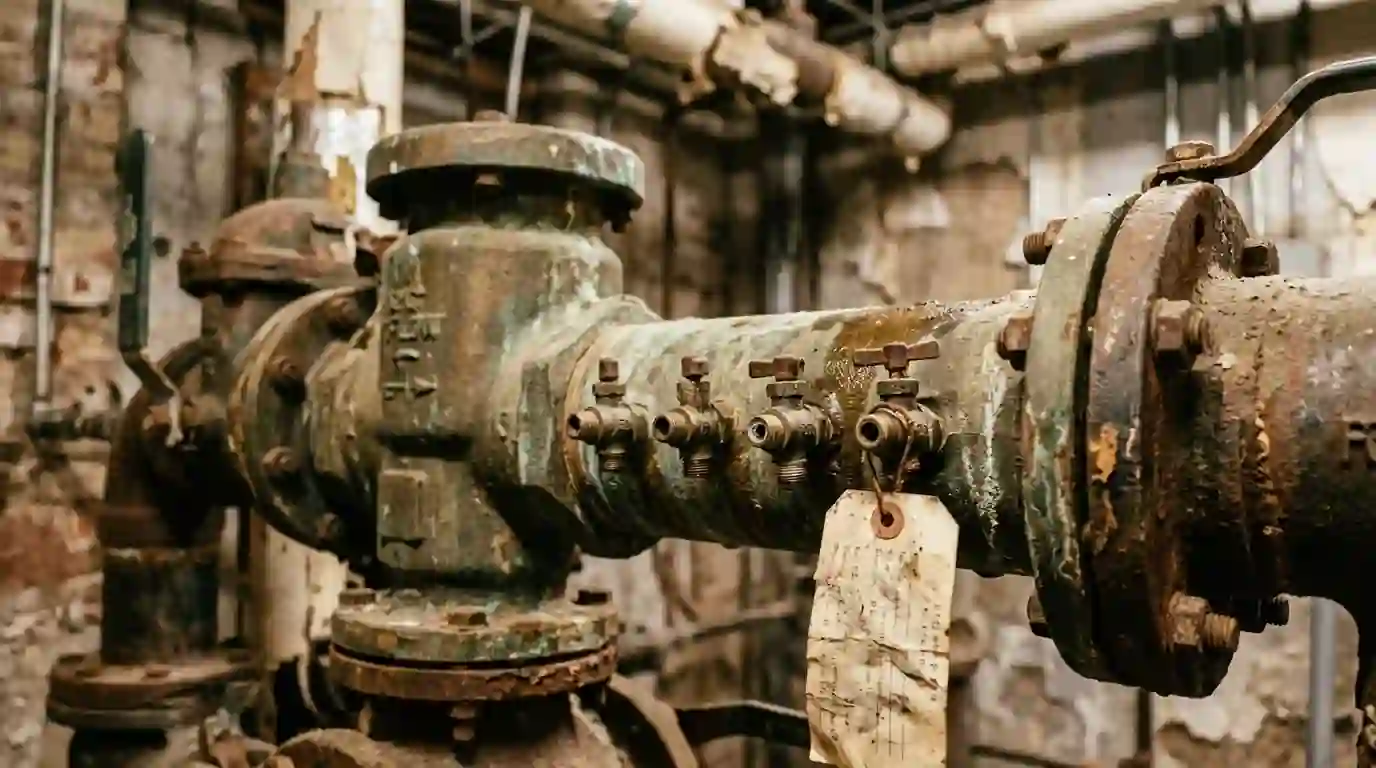
Every spring brings calls from suburban homeowners who turn on the irrigation and find water spraying from the backflow assembly by the foundation. Water left inside over winter froze, expanded and split the bronze body or popped a test cock. A cracked body can't be rebuilt. It gets replaced, and the piping on either side is checked for frost damage too.
When PlumbTek replaces a frozen outdoor unit, the plumber also looks at how the system is winterized. Adding accessible drain valves, or moving the assembly to a spot where it can be drained or removed easily, makes next fall's shutdown simpler. The new unit is tested, and the passing report is filed with the utility.
Signs your backflow preventer needs repair
Some show up on the test report, others on the floor.
- Failed reading on the reportThe tester lists which check valve or relief valve failed and the pressure reading. That tells the plumber which parts to bring for the repair.
- RPZ discharging waterWater running or spitting from the relief port means a check valve is leaking. Constant discharge wastes water and can flood a mechanical room without a good drain.
- Split body after winterA visible crack, bulge or spray from an outdoor irrigation assembly in spring almost always means it froze with water inside.
- Leaking test cocksSmall ball valves on the side of the assembly can drip after years of use. They're cheap to replace but can affect test results.
- Shut-off valves won't closeIf the shut-off handles on either side of the assembly won't stop the water, the test can't be done properly and those valves need replacement.
- Low pressure downstreamA clogged strainer or a check valve stuck partly closed can starve the sprinklers or building fixtures fed through the assembly.
How a backflow repair visit works
Read the failed test
The plumber reads the failed numbers, notes the make, model and size, and confirms parts are on hand before the water is shut off.
Shut off and open up
Both shut-off valves are closed, pressure is relieved through the test cocks, and the covers come off to expose the check modules and seats.
Clean and rebuild
Seats are cleaned of scale and debris, then discs, springs, O-rings or full modules are replaced. The relief valve is rebuilt if it failed too.
Replace if needed
A cracked, corroded or wrong-type assembly is replaced with a new unit of the correct size, with unions or flanges for easier future service.
Retest and file
The assembly is tested with the gauge kit again. A passing report is filed with the water utility and a copy goes to you.
Typical backflow repair costs in the Twin Cities
These are 2026 ranges for common backflow repairs. The real price comes from seeing the job in person, and it is explained up front.
| Job | Typical range | What moves the price |
|---|---|---|
| Rubber kit rebuild, residential size | $187 to $364 | Assembly brand, number of checks rebuilt and the retest |
| Check module or relief valve, commercial | $342 to $788 | Assembly size, parts availability and access in the building |
| Replace frozen irrigation assembly | $468 to $927 | Assembly size, indoor or outdoor location and pipe repairs |
| Replace commercial RPZ assembly | $1,165 to $3,640 | Pipe size, drain or air gap work and mechanical room access |
What changes the number
- Larger assemblies on building mains and fire lines need bigger parts kits and more labor.
- Discontinued models may have to be replaced because rebuild parts are no longer made.
- An RPZ needs a drain or air gap below it, and adding one raises the price of a relocation.
- Repairs done during the original test visit avoid a second trip and a separate test charge.
- After-hours work to keep a business running during the day may carry a higher labor rate.
Ranges reflect typical Twin Cities jobs in 2026. Your price is explained before work starts. Compare other jobs in the PlumbTek price guide.
How to keep a backflow assembly passing every year
- Drain outdoor units before freeze. Close the supply, open the test cocks and drain valves, and leave them open over winter. Many suburban repairs trace back to a missed fall shutdown.
- Flush after water main work. When the city works on the main nearby, debris can wash into your assembly. Running water through a downstream fixture helps clear it before it lodges on a seat.
- Keep the relief drain clear. Make sure the floor drain or air gap below an RPZ isn't blocked by stored boxes or equipment, so a discharge goes where it should.
- Don't adjust or plug the relief port. Capping a dripping RPZ relief valve defeats the protection and creates a real hazard. Have the leaking check valve repaired instead.
Backflow repairs in Minneapolis buildings and suburban yards
In older Minneapolis commercial buildings along Lake Street, Hennepin Avenue and in Northeast, assemblies are often squeezed into basements that were never designed for them. Corroded flanges, tight clearances and floor drains that can't handle RPZ discharge are common. Part of the repair is sometimes improving the drain so the next relief valve discharge doesn't flood the room.
Out in Apple Valley, Shakopee, Chanhassen and Andover, most residential repairs are irrigation units that froze. Homes on private wells in Sherburne and Wright counties sometimes have backflow protection on hydrants, boilers or livestock watering lines instead. Hard, iron-bearing well water also scales up check valve seats faster, so those units may need a rebuild sooner.